CM Gujarat Office Highlights PM SVANidhi's Push to Formalise Street Vendors
Synopsis
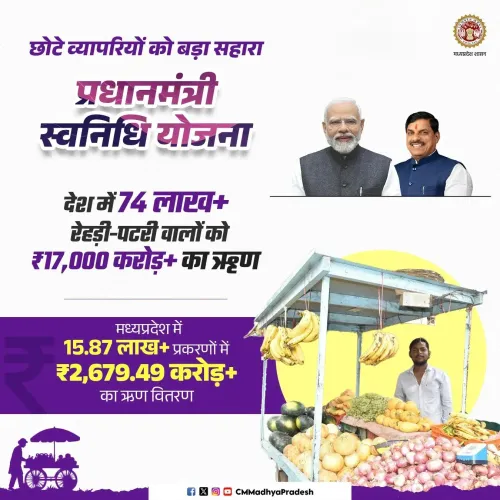
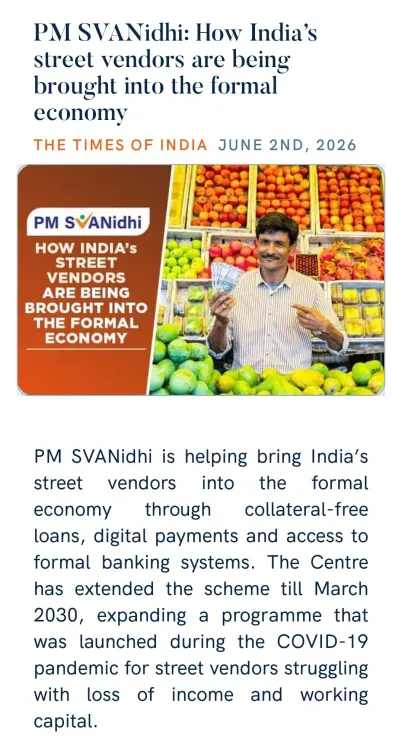
The Chief Minister's Office of Gujarat on 2 June 2026 spotlighted PM SVANidhi, the Central scheme launched in 2020 to provide collateral-free loans up to Rs 50,000 to street vendors, integrating over 10 million informal workers into India's formal financial ecosystem through digital payments and credit access.
Key Takeaways
PM SVANidhi was launched on 1 June 2020 under the Atmanirbhar Bharat package to provide collateral-free working capital loans to urban street vendors.
Loan amounts range from Rs 10,000 to Rs 50,000 , scaling up based on repayment track record, with an interest subvention benefit.
The scheme targets an estimated 10 million-plus informal street vendors nationwide for formalisation.
Vendor identity cards issued by Urban Local Bodies are a prerequisite for loan eligibility, linking municipal governance to the scheme.
Gujarat cities such as Ahmedabad and Surat have large vendor populations and are significant participants in the scheme.
The scheme incentivises UPI digital payments through cashback rewards, building formal financial histories for previously excluded workers.
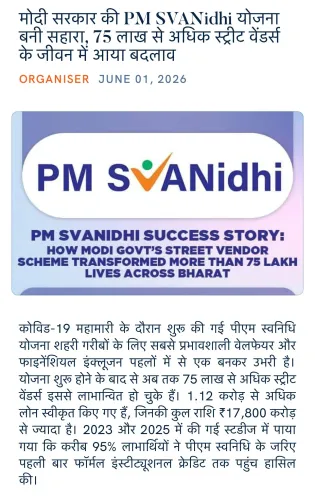
The Chief Minister's Office of Gujarat shared coverage on Tuesday, 2 June 2026 spotlighting PM SVANidhi, the Central government's flagship scheme to integrate India's street vendors into the formal economy through collateral-free working capital loans and digital payment linkages.
Context
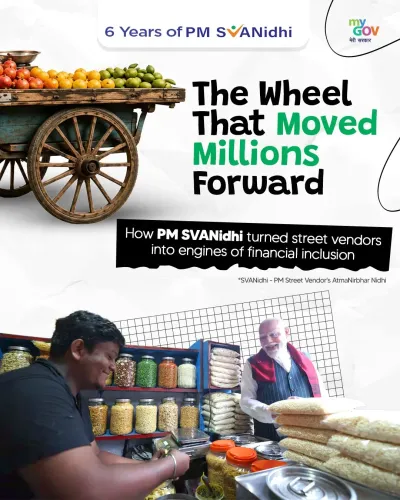
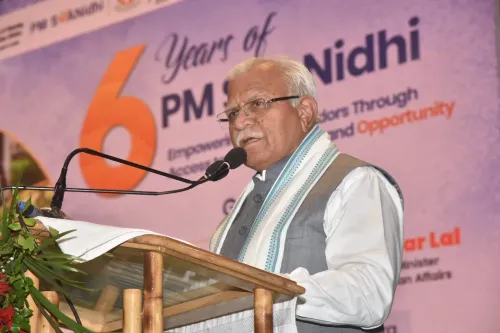
PM SVANidhi — formally the PM Street Vendor's AtmaNirbhar Nidhi scheme — was launched on 1 June 2020 by the Ministry of Housing and Urban Affairs as part of the Atmanirbhar Bharat stimulus package to cushion urban street vendors from pandemic-era losses. The scheme provides collateral-free working capital loans starting at Rs 10,000, scalable up to Rs 50,000 on demonstrated repayment track record, along with an interest subvention benefit. Gujarat's CMO amplified the scheme's narrative on the occasion of its sixth anniversary, underlining the state's alignment with the Centre's urban formalisation agenda.
Policy Backdrop
The scheme sits within a broader arc of financial inclusion initiatives — including Jan Dhan accounts, PM Mudra loans, and UPI adoption — that successive Central budgets since 2014 have used to draw informal-sector workers into the banking and digital payments ecosystem. In 2021, SVANidhi was expanded to include a credit-card facility, allowing vendors with clean repayment histories to access higher tranches. The Ministry of Housing and Urban Affairs has designated Urban Local Bodies (ULBs) as the nodal point for issuing vendor identity cards, a prerequisite for loan eligibility, tying municipal governance directly into the scheme's outreach.
Gujarat, home to large urban vendor populations in cities such as Ahmedabad and Surat, has been an active participant in central urban livelihood missions that pre-date and complement SVANidhi. The state's dense street-vendor economy makes it a significant beneficiary of disbursements under the scheme.
Stakeholders and Impact
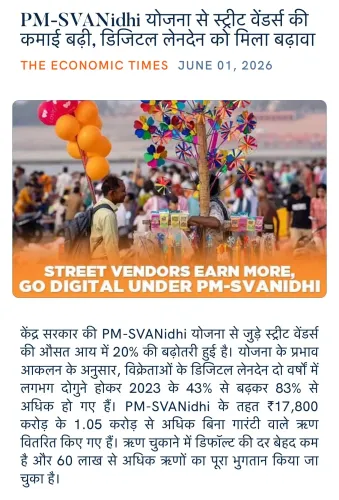
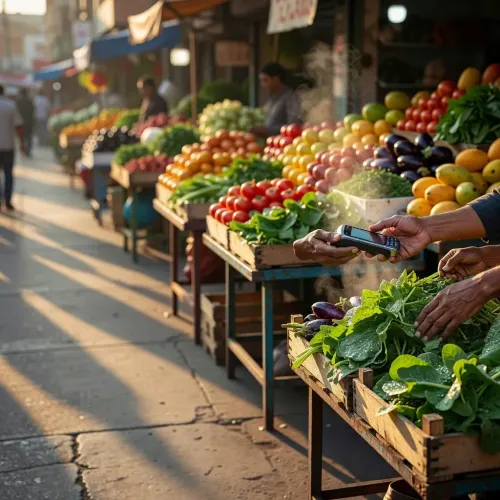
An estimated 10 million-plus informal street vendors across India are the primary target group for formalisation under SVANidhi. Beyond credit access, the scheme incentivises UPI-based digital transactions, offering cashback rewards — a deliberate nudge to reduce cash dependency and build a verifiable financial history for vendors who have historically been excluded from formal credit. Urban Local Bodies benefit through improved vendor registration data, which feeds into city-level planning and the National Urban Livelihoods Mission.
For the broader economy, bringing vendors into the banking net widens the direct tax base and supports the government's goal of reducing the share of cash-based commerce in urban markets.
What's Next
Attention will now turn to state-wise disbursement targets for 2026-27 and any potential integration of SVANidhi with the PM Gati Shakti framework or the National Urban Livelihoods Mission, which could be taken up in upcoming Gujarat assembly sessions. The CMO's amplification of this narrative signals continued political salience for the scheme in the state ahead of any urban local body reviews or budget allocations.
Point of View
Not a post-pandemic footnote, as the Centre deepens its push to widen the formal economy ahead of urban local body cycles. SVANidhi's integration of digital payments and credit history-building fits squarely into the longer arc of financial inclusion that has defined Central economic policy since 2014, and Gujarat's prominent urban vendor economy gives the state both an electoral and administrative stake in the scheme's success. Whether disbursement targets and repayment rates in Gujarat match the political enthusiasm is the harder question that state assembly sessions and audit reports will eventually have to answer.
NationPress
18 Oct 2026
Frequently Asked Questions
What is PM SVANidhi scheme and who is eligible?
PM SVANidhi is a Central government scheme launched on 1 June 2020 that provides collateral-free working capital loans to urban street vendors. Any street vendor with a valid identity card issued by an Urban Local Body is eligible to apply for loans starting at Rs 10,000, scalable up to Rs 50,000 on repayment track record.
How much loan can a street vendor get under PM SVANidhi?
Under PM SVANidhi, vendors can initially access loans of Rs 10,000, which can be enhanced up to Rs 50,000 in subsequent tranches based on timely repayment. The scheme also offers an interest subvention benefit to reduce the cost of borrowing.
Which ministry runs the PM SVANidhi scheme?
The Ministry of Housing and Urban Affairs is the nodal ministry for PM SVANidhi. It oversees implementation through Urban Local Bodies, which issue vendor identity cards and facilitate loan disbursements.
How does PM SVANidhi help street vendors go digital?
PM SVANidhi incentivises UPI-based digital transactions by offering cashback rewards to vendors who adopt digital payments. This builds a verifiable financial history for vendors, improving their future credit eligibility and reducing dependence on cash.
Why did the Gujarat CMO share PM SVANidhi coverage in June 2026?
The Chief Minister's Office of Gujarat shared the coverage around the sixth anniversary of PM SVANidhi's launch on 1 June 2020, highlighting the scheme's role in formalising street vendors and aligning Gujarat's governance narrative with the Central government's urban financial inclusion agenda.