PM SVANidhi Scheme: 75.5 lakh vendors empowered, ₹17,800 crore disbursed
Synopsis
Six years after its Covid-era launch, PM SVANidhi has crossed 75.5 lakh beneficiaries and ₹17,800 crore in disbursements — making it one of the Centre's most tangible urban poverty interventions. The real story is not just the credit, but the formal banking integration of a population that had long been locked out of the financial system.
Key Takeaways
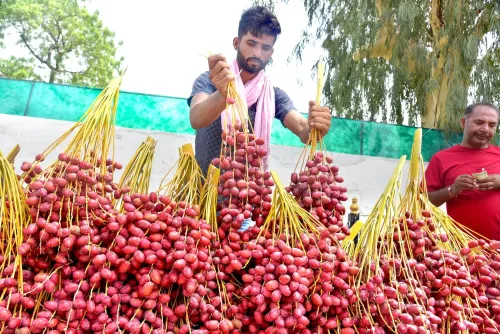
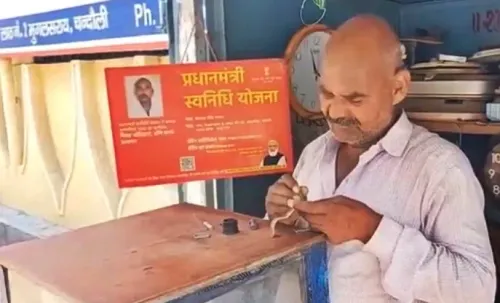
PM SVANidhi Scheme has benefited more than 75.5 lakh street vendors across India since its 2020 launch.
Over 1.12 crore collateral-free loans sanctioned; total disbursements exceed ₹17,800 crore .
In the North-Eastern region , more than 2.59 lakh loans worth over ₹430 crore have been distributed.
Tripura has seen over 9,300 loans sanctioned and nearly ₹15 crore disbursed.
The scheme has brought lakhs of vendors into the formal banking system for the first time.
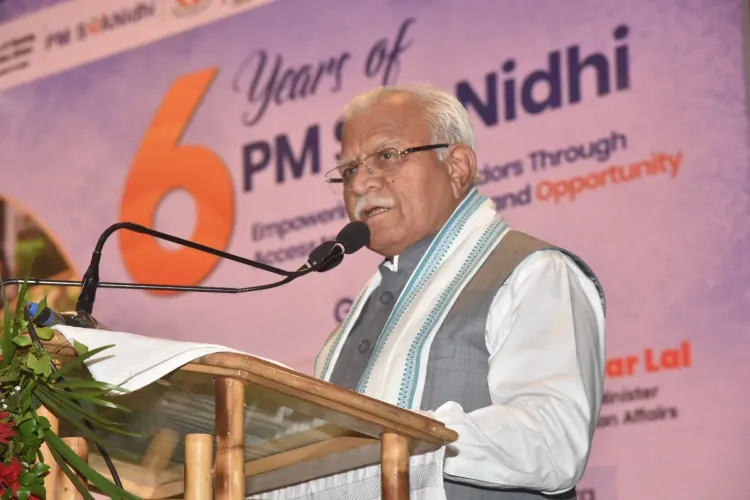
The PM SVANidhi Scheme, launched by Prime Minister Narendra Modi in 2020, has benefited more than 75.5 lakh street vendors across India over six years, Union Minister for Housing and Urban Affairs Manohar Lal said on Sunday, 31 May. Speaking at an event, the minister highlighted the scheme's role in delivering financial security, dignity, and formal banking access to the urban poor nationwide.
Scale of the Scheme
More than 1.12 crore collateral-free loans have been sanctioned under the scheme since its launch, with total disbursements crossing ₹17,800 crore to beneficiaries across the country. The scheme was originally designed to provide affordable working capital to street vendors whose livelihoods were disrupted by the Covid-19 pandemic.
According to the minister, the initiative has played a pivotal role in integrating lakhs of street vendors into the formal banking system for the first time — a structural shift that goes beyond credit access toward broader financial inclusion.
What the Government Said
'Prime Minister Narendra Modi, recognising the hard work, struggles and contribution of street vendors, launched the PM SVANidhi Scheme in 2020 with the vision of empowering the urban poor and strengthening their livelihoods,' Manohar Lal said.
He added: 'The objective of the scheme was not merely to provide collateral-free loans, but also to ensure dignity, confidence and opportunities for street vendors to move forward in life with financial security and social recognition.'
North-East and Tripura Outreach
The minister drew attention to the scheme's reach in the North-Eastern region, where more than 2.59 lakh loans have been distributed and financial assistance exceeding ₹430 crore has been provided. In Tripura specifically, over 9,300 loans have been sanctioned and nearly ₹15 crore disbursed to beneficiaries so far.
Impact on Financial Inclusion
A key outcome cited by the minister is the formal banking integration of a population that had historically operated outside the regulated financial system. By entering the banking network, beneficiaries gain access to credit histories, digital payment infrastructure, and the possibility of larger loans in future cycles — compounding the scheme's long-term impact.
This comes amid a broader Centre push to formalise the urban informal economy, with PM SVANidhi serving as one of the more measurable instruments of that effort. The scheme is now in its sixth year, and the government has indicated continued commitment to expanding its reach across urban local bodies.
Point of View
But the more consequential metric is formal banking integration — a population that had no credit history now has one. The scheme's real test will be whether second and third loan cycles translate into sustainable income growth, or whether vendors remain trapped in subsistence-level borrowing. With ₹17,800 crore disbursed over six years and no independent impact assessment cited, the government's own numbers deserve scrutiny: how many beneficiaries have graduated to higher loan tranches, and how many have defaulted? The North-East focus is politically notable but the per-state data — ₹15 crore for Tripura — underscores how uneven the reach remains.
NationPress
25 Sept 2026
Frequently Asked Questions
What is the PM SVANidhi Scheme?
PM SVANidhi is a Central government scheme launched in 2020 to provide collateral-free working capital loans to street vendors affected by the Covid-19 pandemic. It also aims to bring vendors into the formal banking system and support their financial inclusion.
How many people have benefited from PM SVANidhi so far?
More than 75.5 lakh street vendors across India have benefited from the scheme over six years, with over 1.12 crore loans sanctioned and ₹17,800 crore disbursed nationwide, according to Union Minister Manohar Lal.
What has been the scheme's impact in North-East India?
In the North-Eastern region, more than 2.59 lakh loans have been distributed under PM SVANidhi, with financial assistance exceeding ₹430 crore. Tripura alone has seen over 9,300 loans sanctioned and nearly ₹15 crore disbursed.
How does PM SVANidhi promote financial inclusion?
By channelling loans through the formal banking system, the scheme has brought lakhs of street vendors — many of whom had no prior banking relationship — into the regulated financial network. This gives them access to credit histories and digital payment infrastructure.
Who administers the PM SVANidhi Scheme?
The scheme is administered by the Ministry of Housing and Urban Affairs, currently headed by Union Minister Manohar Lal. It operates through urban local bodies and partner banks and microfinance institutions across the country.