PM SVANidhi: 75.5 lakh vendors avail 112 lakh loans, ₹17,800 crore disbursed
Synopsis
PM SVANidhi has disbursed over ₹17,800 crore in collateral-free loans to 75.5 lakh street vendors — with 70% from marginalised communities and 55 lakh vendors collectively clocking ₹8.96 lakh crore in digital transactions. Now extended to March 2030, the scheme has quietly become one of India's most data-rich financial inclusion experiments.
Key Takeaways
Over 75.5 lakh street vendors have availed more than 112 lakh loans under PM SVANidhi .
Total loan disbursements exceed ₹17,800 crore ; beneficiaries received nearly ₹800 crore in interest subsidies and digital cashback.
Nearly 46% of beneficiaries are women; around 70% belong to marginalised communities.
More than 55 lakh vendors completed over 841 crore digital transactions worth nearly ₹8.96 lakh crore .
Around 6 lakh street food vendors trained on food safety and hygiene in collaboration with FSSAI .
Scheme extended until March 2030 following government-approved restructuring.
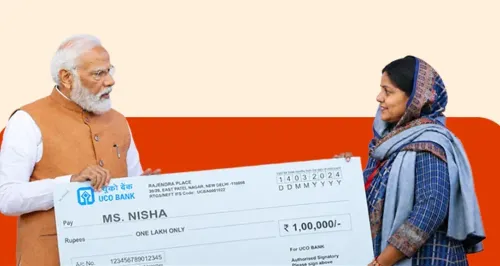
More than 75.5 lakh street vendors have availed over 112 lakh loans under the PM SVANidhi scheme, with total disbursements crossing ₹17,800 crore across the country, according to an official fact-sheet. Beneficiaries have additionally received nearly ₹800 crore through interest subsidies and digital cashback incentives, underscoring the scheme's reach into India's vast informal economy.
Key Figures and Beneficiary Profile
Nearly 46 per cent of all beneficiaries are women, and around 70 per cent belong to marginalised communities — figures that highlight the scheme's tilt toward financial inclusion for the most underserved segments of the urban workforce. The programme has strengthened micro-enterprises, bolstered local supply chains, and deepened the integration of street vendors with Urban Local Bodies (ULBs).
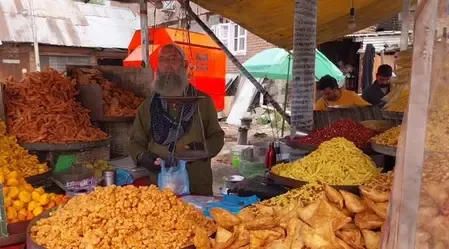
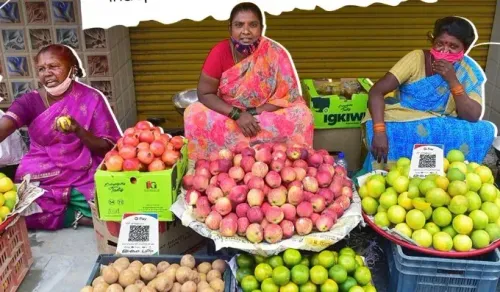
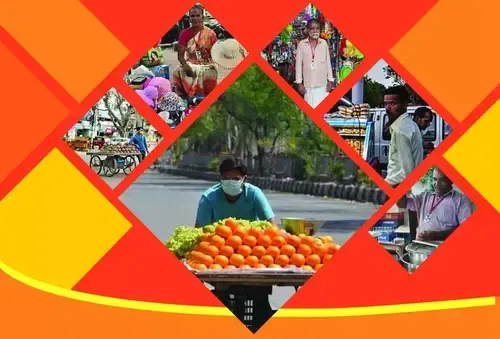
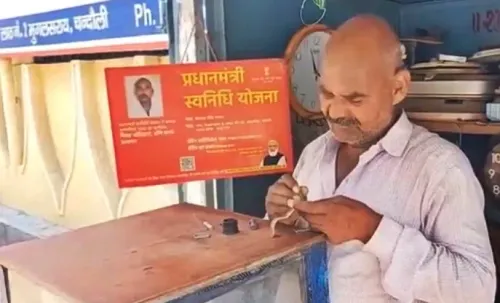
Vendors engaged in selling vegetables, fruits, ready-to-eat street food, and those offering services such as barbering, cobbling, and laundry are all covered under the scheme. Loans are collateral-free and disbursed in progressive tranches of ₹15,000, ₹25,000, and ₹50,000.
How the Scheme Works
PM SVANidhi offers an interest subsidy of 7 per cent per annum to encourage timely repayment. Vendors who repay on schedule become eligible for higher loan tranches in subsequent cycles. The scheme also provides UPI-linked RuPay Credit Cards of up to ₹30,000 for eligible vendors, along with credit guarantee support.
Digital adoption has been a standout outcome: more than 55 lakh vendors completed over 841 crore digital transactions worth nearly ₹8.96 lakh crore. Cashback incentives of up to ₹1,600 have driven this uptake, alongside financial literacy support.
Training and Food Safety
The scheme collaborates with the Food Safety and Standards Authority of India (FSSAI) to deliver training in financial literacy, digital literacy, and food safety practices. Around 6 lakh street food vendors have been trained on food safety and hygiene standards to date.
Extension and Restructuring
PM SVANidhi was originally launched during the COVID-19 pandemic to provide affordable working capital to street vendors whose livelihoods had been severely disrupted. As the first dedicated micro-credit scheme for this segment — which constitutes a significant share of the informal workforce and historically had limited access to formal credit — it was designed to support business growth while promoting financial inclusion.
Building on these outcomes, the government has approved a restructuring and extension of the scheme, with the lending period now extended until March 2030. The move signals continued policy commitment to the urban informal sector well beyond its pandemic-era origins.
Point of View
But the more telling metric is the ₹8.96 lakh crore in digital transactions by 55 lakh vendors — a figure that suggests the scheme has done more for financial formalisation than most targeted programmes of its size. The 70% marginalised-community share is a genuine distributional achievement, though independent verification of loan utilisation and repayment rates beyond the fact-sheet would strengthen the claim. The extension to March 2030 is a policy signal worth watching: it moves SVANidhi from a pandemic relief measure to a structural plank of urban informal-sector policy, raising questions about graduation pathways — what happens to vendors after the ₹50,000 ceiling, and whether the scheme connects them to mainstream credit.
NationPress
25 Sept 2026
Frequently Asked Questions
What is the PM SVANidhi scheme?
PM SVANidhi is India's first dedicated micro-credit scheme for street vendors, launched during the COVID-19 pandemic to provide collateral-free working capital loans. It offers progressive loan tranches of ₹15,000, ₹25,000, and ₹50,000, along with interest subsidies, digital cashback incentives, and credit guarantee support.
How many street vendors have benefited from PM SVANidhi?
More than 75.5 lakh street vendors have availed over 112 lakh loans under the scheme, with total disbursements exceeding ₹17,800 crore, according to an official fact-sheet.
Who is eligible for PM SVANidhi loans?
Any person engaged in vending articles, food items, goods, or services — such as vegetable sellers, fruit vendors, cobblers, barbers, and laundry workers — from a street, footpath, or pavement is eligible. Loans are collateral-free and disbursed in progressive tranches.
Has the PM SVANidhi scheme been extended?
Yes. The government has approved a restructuring and extension of PM SVANidhi, with the lending period extended until March 2030. The move transitions the scheme from a pandemic relief measure to a longer-term financial inclusion programme.
What is the digital transaction record under PM SVANidhi?
More than 55 lakh vendors have collectively completed over 841 crore digital transactions worth nearly ₹8.96 lakh crore under the scheme. Cashback incentives of up to ₹1,600 and UPI-linked RuPay Credit Cards of up to ₹30,000 have driven digital adoption among beneficiaries.