Giriraj Singh highlights PM-SVANidhi gains for street vendors
Synopsis
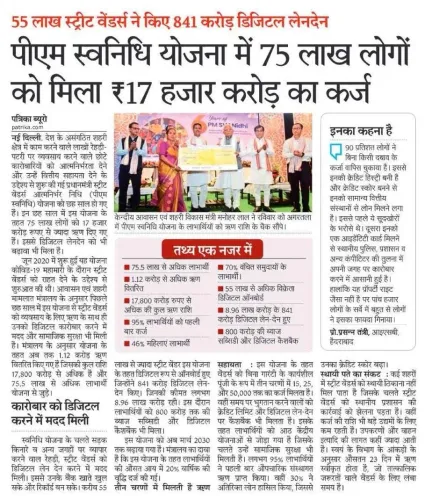
Union Textiles Minister Giriraj Singh marked six years of PM-SVANidhi on 1 June 2026 by sharing a report that street vendors have earned more and adopted digital payments under the scheme, which offers collateral-free loans up to Rs 50,000 to informal urban workers.
Key Takeaways
PM-SVANidhi was launched on 1 June 2020 under the Atmanirbhar Bharat package as COVID-19 relief for street vendors.
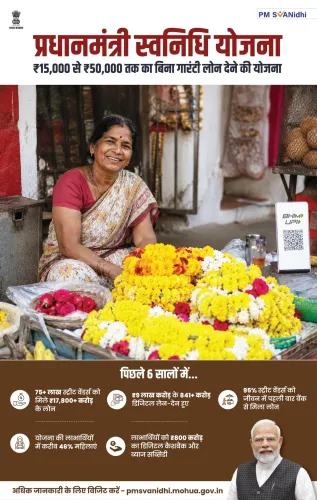
The scheme provides collateral-free working capital loans of up to Rs 50,000 , with amounts scaling on timely repayment.
Digital payment adoption via UPI is a built-in incentive, linking transaction behaviour to enhanced loan eligibility.
Loans are disbursed through urban local bodies and partner lending institutions including banks and microfinance firms.
Union Textiles Minister Giriraj Singh shared the update on the scheme's sixth anniversary via the NaMo App .
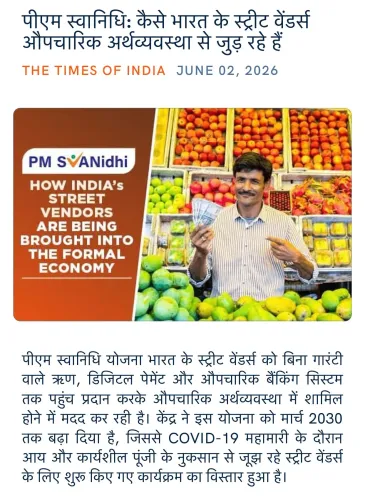
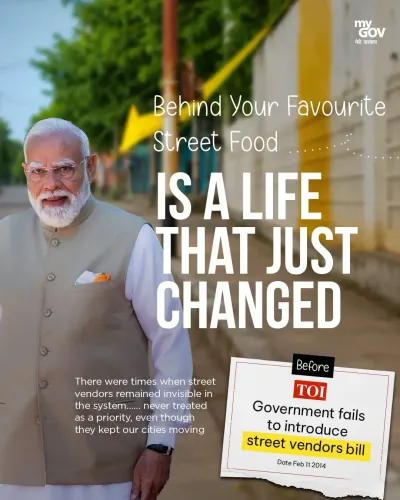
The scheme targets vendors historically excluded from formal credit, aiming to formalise a key segment of the informal urban economy .
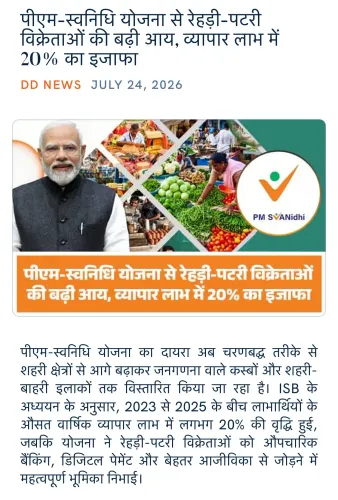
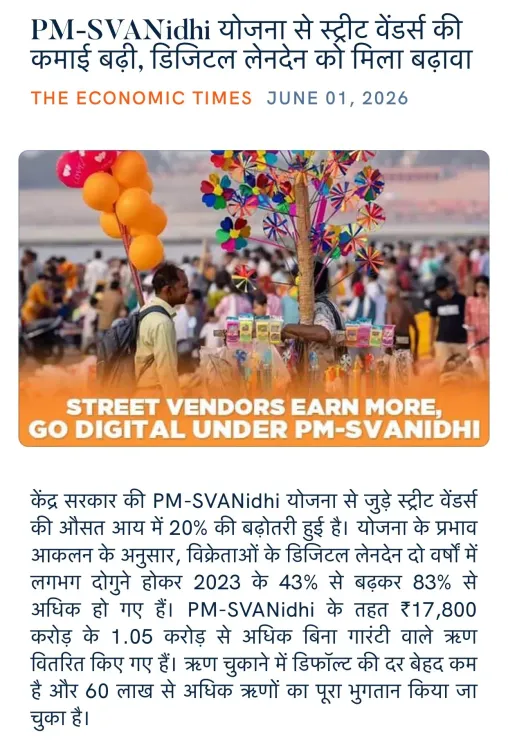
Union Textiles Minister Giriraj Singh on Monday, 1 June 2026 shared a report highlighting that street vendors across India have seen higher earnings and increased adoption of digital payments under the PM Street Vendor's AtmaNirbhar Nidhi (PM-SVANidhi) scheme, posting the update via the NaMo App on X.
Context
The post, shared on the sixth anniversary of the scheme's launch, amplifies coverage of PM-SVANidhi's impact on the informal urban economy. The Hindi headline in Singh's post translates to: 'PM-SVANidhi yojana se street vendors ki kamai badhi, digital lenaden ko mila badhawa' — 'Earnings of street vendors have risen under PM-SVANidhi, digital transactions get a boost.' The timing coincides with the scheme completing six years since its launch on 1 June 2020.
Singh, a senior BJP leader and Lok Sabha MP from Begusarai, Bihar, regularly uses the NaMo App to amplify government welfare messaging, reflecting the party's coordinated digital outreach strategy.
Policy Backdrop
PM-SVANidhi was launched by Prime Minister Narendra Modi on 1 June 2020 as part of the Atmanirbhar Bharat package to provide relief to street vendors whose livelihoods were devastated by COVID-19 lockdowns. The scheme offers collateral-free working capital loans starting at Rs 10,000, scalable up to Rs 50,000, to vendors who repay on time and demonstrate digital transaction behaviour.
A key design feature of the scheme links loan eligibility enhancements to the use of UPI-based digital payments, incentivising vendors to move away from cash transactions. This dual focus on micro-credit and digital formalisation has been central to the government's broader financial inclusion agenda for the informal urban workforce.
Stakeholders and Impact
The primary beneficiaries are urban and peri-urban street vendors — a segment of the informal economy that includes vegetable sellers, fruit vendors, cobblers, tea stall operators, and other pavement traders. These workers, historically excluded from formal credit channels, have used PM-SVANidhi loans to restock inventory, upgrade equipment, and build credit histories.
The scheme is administered by the Ministry of Housing and Urban Affairs through urban local bodies (ULBs) across states. Lending institutions including scheduled commercial banks, microfinance institutions, and small finance banks disburse the loans, with the government providing an interest subsidy and credit guarantee.
The reported rise in digital transactions among beneficiaries signals a measurable shift in payment behaviour within a segment of the economy that has traditionally operated on cash, with implications for tax formalisation and financial traceability.
What's Next
The Ministry of Housing and Urban Affairs is expected to release updated beneficiary and repayment data as the scheme marks its sixth year. Analysts and parliamentary committees will watch whether the government announces an extension or enhancement of loan ceilings, given the scheme's stated success in improving vendor incomes and digital adoption.
The broader question is whether PM-SVANidhi's model — combining micro-credit with digital payment incentives — will be replicated or scaled for other categories of informal workers, as the government continues to push financial formalisation ahead of the next Union Budget cycle.
Point of View
Timed to reinforce the BJP's narrative of inclusive growth and digital empowerment for the urban poor. By amplifying income and digital-payment gains, the government signals that its pandemic-era welfare architecture has produced durable results beyond emergency relief. The scheme's dual emphasis on credit access and UPI adoption connects directly to the broader Atmanirbhar Bharat and Digital India frameworks, making it a politically useful data point ahead of budget and election cycles. Whether the reported gains translate into sustained upward mobility for vendors — or remain dependent on continued government subsidy — is the sharper policy question that independent reviews will need to answer.
NationPress
18 Oct 2026
Frequently Asked Questions
What is PM-SVANidhi scheme and who benefits from it?
PM-SVANidhi is a central government scheme launched in June 2020 that provides collateral-free micro-credit loans of up to Rs 50,000 to street vendors, helping them rebuild livelihoods and access formal credit for the first time.
How much loan can a street vendor get under PM-SVANidhi?
Vendors can start with a working capital loan of Rs 10,000 and, on timely repayment, graduate to higher loan amounts of Rs 20,000 and then up to Rs 50,000 under the scheme's incremental credit structure.
Why did Giriraj Singh post about PM-SVANidhi?
Union Textiles Minister Giriraj Singh shared a report on 1 June 2026 marking the scheme's sixth anniversary, highlighting that vendors have seen higher earnings and greater use of digital payments under PM-SVANidhi.
What is the role of digital payments in PM-SVANidhi?
The scheme incentivises vendors to adopt UPI-based digital transactions by linking payment behaviour to eligibility for enhanced loan amounts, making digital adoption a formal part of the credit ladder.
Which ministry runs PM-SVANidhi?
PM-SVANidhi is administered by the Ministry of Housing and Urban Affairs and is implemented on the ground through urban local bodies in cities and towns across India.