PM Vishwakarma OSOP initiative gives Divyangjan artisans railway retail access
Synopsis
Twenty-eight disabled artisans — sculptors, cobblers, metalsmiths, and more — now have dedicated retail stalls at Indian railway stations under the OSOP initiative. One beneficiary earned ₹19,000 in 15 days. It is a small but telling proof-of-concept for market-linked inclusion under PM Vishwakarma.
Key Takeaways
The MSME Ministry is implementing the One Station One Product (OSOP) initiative under the PM Vishwakarma Scheme for Divyangjan artisans.
28 Divyangjan beneficiaries have been allotted retail stalls across 12 states and Union Territories .
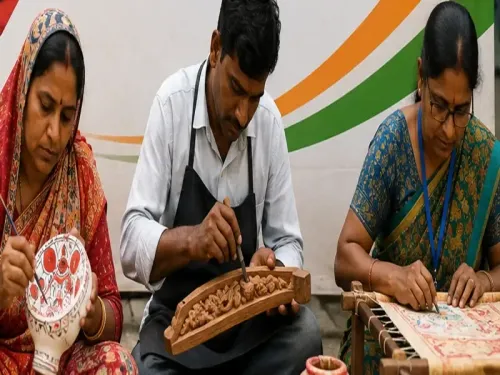
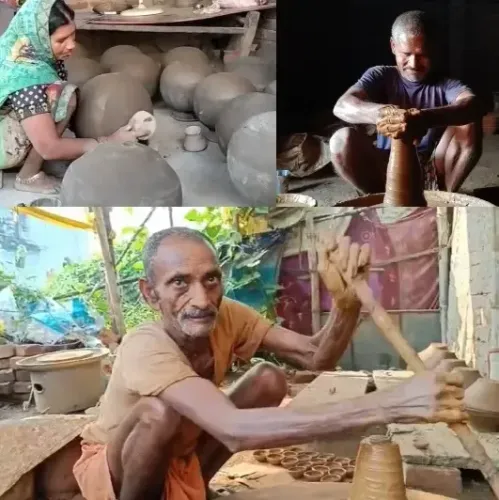
Trades covered include sculptors, cobblers, carpenters, doll and toy makers, metal smiths, basket makers, and tailors.
Divyang metalsmith Ajeet Sharma from Jharkhand earned around ₹19,000 within 15 days of his stall opening near Deoghar Railway Station .
Sculptor Atul 's outlet at Indore Railway Station has seen steadily increasing sales since January 2026 .
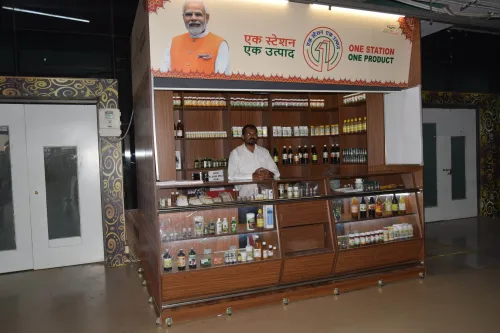
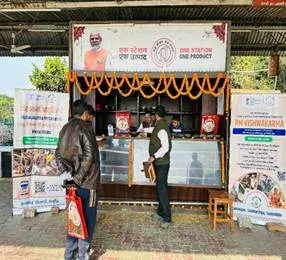
The Ministry of Micro, Small and Medium Enterprises (MSME) is rolling out the One Station One Product (OSOP) initiative under the PM Vishwakarma (PMV) Scheme to give Divyangjan artisans dedicated retail access at high-footfall railway stations across India. The programme is enabling traditional craftspeople with disabilities to expand their customer base, boost sales, and build sustainable livelihoods, according to the ministry.
Scale and Reach of the Initiative
So far, 28 Divyangjan beneficiaries from traditional trades have been allotted retail stalls under OSOP across 12 states and Union Territories. The trades represented include cobblers, sculptors, carpenters, doll and toy makers, metal smiths, basket makers, and tailors.
Sculptors and doll and toy makers lead the allotments with six stalls each. Cobblers and carpenters have received five stalls each, while metal smiths, basket makers, and tailors have been allotted two stalls each.
How the Scheme Works
Artisans first register under the PM Vishwakarma Scheme and complete skill training before being allotted a dedicated outlet at a railway station. The retail presence at busy transit points gives craftspeople direct access to a large and diverse consumer base — a critical advantage for artisans who previously relied on intermediaries or local markets with limited reach.
This comes amid a broader government push to integrate marginalised communities into formal economic structures, with the OSOP model serving as a low-barrier, high-visibility market entry point.
Beneficiary Stories
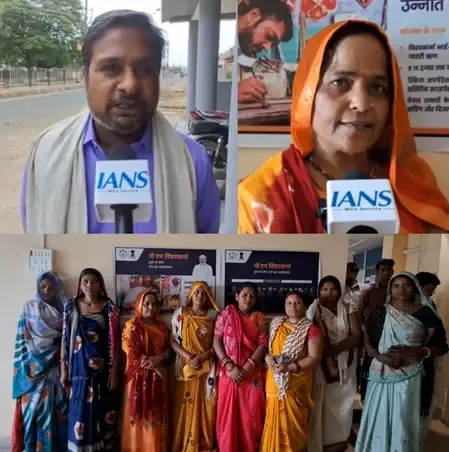
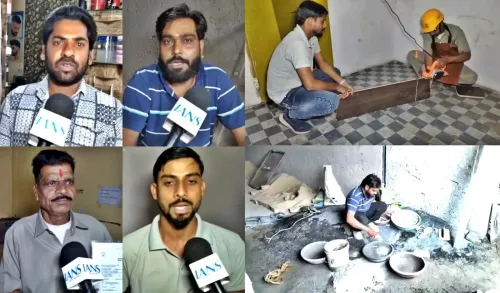
Atul, a Divyang sculptor specialising in crystal-based statues and utility products, was allotted a retail outlet at Platform No. 1 of Indore Railway Station after completing his PM Vishwakarma training. Since the outlet became operational in January 2026, customer response has been encouraging and sales have been steadily rising.
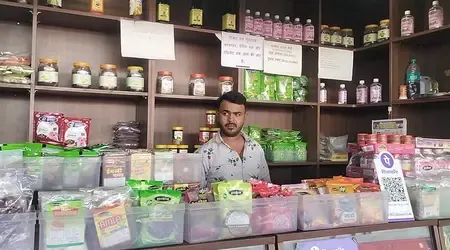
Ajeet Sharma, a Divyang metalsmith from Jharkhand, was allotted a stall near Deoghar Railway Station. Within just 15 days of operations, he reportedly earned around ₹19,000, illustrating the initiative's potential to generate meaningful income quickly.
Broader Impact and What Comes Next
The MSME Ministry has stated that the initiative is not only strengthening livelihoods but also fostering economic inclusion and financial independence among Divyangjan artisans. Notably, the railway station model addresses one of the most persistent barriers for disabled craftspeople: market access without the overhead of a permanent commercial establishment.
With allotments currently spanning 12 states and Union Territories, the government is expected to scale the programme further as demand from PM Vishwakarma beneficiaries grows.
Point of View
Not by receiving transfers. The early numbers are modest: 28 stalls across 12 states is a pilot, not a programme at scale. The real test is whether allotments expand proportionally with PM Vishwakarma registrations, and whether the railway station format sustains footfall-driven revenue beyond the novelty phase. If Ajeet Sharma's ₹19,000-in-15-days figure holds over months, it becomes a replicable template; if it is an outlier, the scheme risks being a well-intentioned showcase rather than a structural livelihood solution.
NationPress
25 Oct 2026
Frequently Asked Questions
What is the One Station One Product (OSOP) initiative under PM Vishwakarma?
The OSOP initiative, run by the MSME Ministry under the PM Vishwakarma Scheme, provides Divyangjan artisans with dedicated retail stalls at high-footfall railway stations to sell their handcrafted products directly to customers. It aims to improve market access and generate sustainable income for disabled traditional craftspeople.
How many Divyangjan artisans have benefited from the OSOP initiative so far?
As of the latest government data, 28 Divyangjan beneficiaries from various traditional trades have been allotted retail stalls under OSOP across 12 states and Union Territories.
Which trades are covered under the OSOP initiative for Divyangjan artisans?
The initiative covers cobblers, sculptors, carpenters, doll and toy makers, metal smiths, basket makers, and tailors. Sculptors and doll and toy makers have the highest number of allotments, with six stalls each.
How much can a Divyangjan artisan earn through an OSOP railway stall?
Early results are encouraging — Divyang metalsmith Ajeet Sharma from Jharkhand reportedly earned around ₹19,000 within just 15 days of his stall opening near Deoghar Railway Station, according to the government.
How does an artisan get a stall under the OSOP initiative?
Artisans must first register under the PM Vishwakarma Scheme and complete the associated skill training. After that, eligible Divyangjan beneficiaries are allotted a retail outlet at a designated railway station as part of the OSOP programme.