India's PMAY: A Beacon for Housing Equity in the Global South
Synopsis
Discover how India’s Pradhan Mantri Awas Yojana is redefining housing policy for the economically disadvantaged, promoting gender equality and inclusion across urban and rural sectors, and setting a benchmark for the Global South.
Key Takeaways
Inclusive Housing: PMAY serves as a model for housing inclusion, particularly for women.
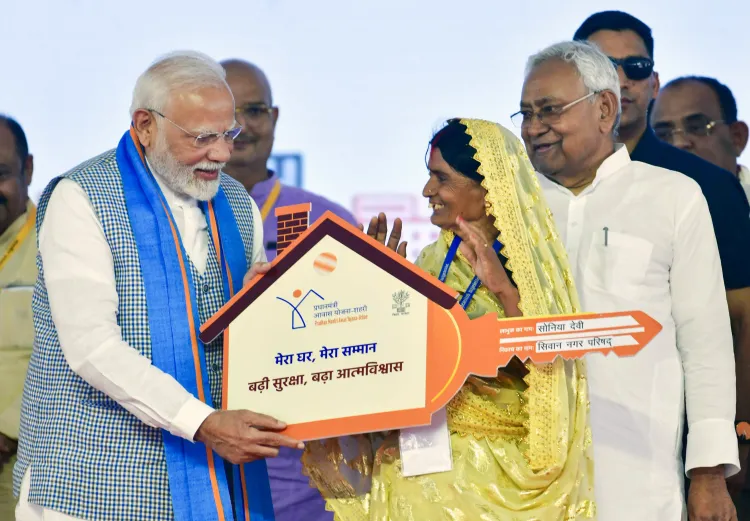
Gender Equity: The scheme mandates women’s ownership, transforming their role in property ownership.
Holistic Development: Housing under PMAY is integrated with essential services such as sanitation and electricity.
Empowerment: A house in a woman’s name enhances her social standing and financial independence.
Financial Accessibility: The CLSS provides interest subsidies, making housing finance more reachable for low-income families.
New Delhi, March 5 (NationPress) India's initiatives aimed at providing housing for the economically disadvantaged in both urban and rural settings, under the Pradhan Mantri Awas Yojana, are emerging as a model for the Global South. These schemes are pivotal in promoting inclusion, gender equity, and empowering financially challenged communities.
In India, the drive for 'Housing for All' is increasingly recognized as a human rights agenda that associates shelter with equality, social security, and dignity for the most impoverished citizens. Within this context, the emphasis on women’s ownership in significant housing initiatives represents a crucial transition from viewing women as dependents to acknowledging them as rightful owners and stakeholders, according to an article published by the Asian News Post in Colombo.
The Pradhan Mantri Awas Yojana, in both its rural and urban iterations, along with the second phase of PMAY Urban and the Credit Linked Subsidy Scheme, illustrate how housing policy can serve as an instrument for inclusion, gender equality, and empowerment of economically weaker demographics, the article notes.
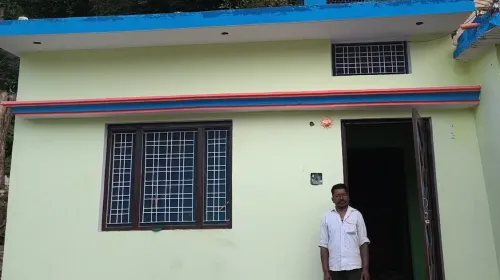
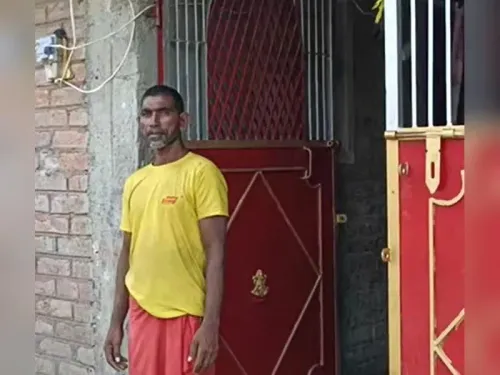
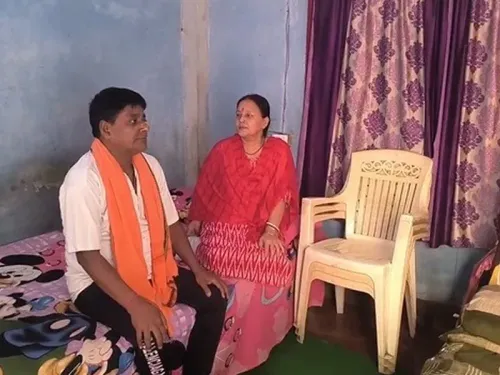
In rural regions, the PMAY Gramin specifically links the concept of a pucca house with the dignity and social inclusion of the rural poor. An advisory issued under this scheme mandates the inclusion of female members in the ownership and sanction details, allowing them to be sole or joint owners with male relatives, and even permitting women to be added as secondary owners when houses were originally sanctioned only in men's names.
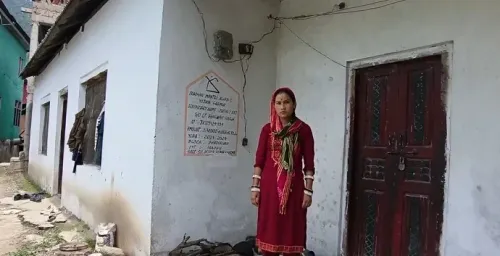
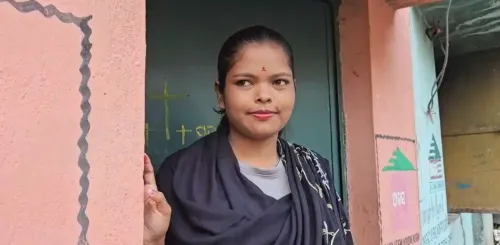
The outcomes of this gender-focused strategy are evident in ownership statistics. Government data reveal that nearly 75% of PMAY Gramin houses are registered in women's names, with a target of achieving full women ownership under the program.
A house registered in her name strengthens a woman's position within the family, reduces the likelihood of her being displaced or abandoned, and provides her with a tangible asset that can be utilized for credit, employment, and social standing, the article highlights.
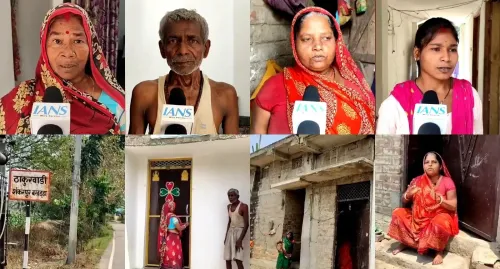
Houses in rural areas under this initiative are enhanced through integration with programs for sanitation, drinking water, electricity, LPG, and solar power, ensuring that beneficiaries are provided with not just shelter but a comprehensive living environment that fosters health, privacy, and security, particularly for women.
In urban areas, the Pradhan Mantri Awas Yojana Urban and its upgraded version PMAY Urban 2.0 extend the same principles of inclusive housing to slum residents, low-income workers, and the aspiring middle class.
From its inception, PMAY Urban has incorporated a necessary provision that the female head of the household must be the owner or co-owner of the residence in the economically weaker section and lower income group categories.
This stipulation clearly indicates that public housing subsidies are contingent upon acknowledging women's property rights.
It also recognizes that women in low-income urban households frequently shoulder the burden of unpaid caregiving and are among the most impacted by unstable housing conditions, evictions, and inadequate services, the article adds.
The Credit Linked Subsidy Scheme acts as a financial mechanism within this framework to ensure that formal housing financing is accessible to families that would typically be overlooked.
Under the CLSS, eligible beneficiaries in the economically weaker section, lower income, and specified middle income categories receive interest subsidies on housing loans for acquiring, constructing, or expanding a house.
A crucial stipulation under CLSS is that for EWS and LIG categories, women must hold ownership; at least one female member must be an owner or co-owner of the property. This connection between concessional finance and women's asset creation encourages families and lenders to recognize women as legitimate borrowers and property owners, the article concludes.
Point of View
I view India's housing initiatives under the PMAY as a vital step towards social equity. By prioritizing women's ownership and integrating essential services, these programs showcase a commitment to uplifting marginalized communities. This model could inspire similar initiatives in other developing regions, promoting a more inclusive future.
NationPress
2 Oct 2026
Frequently Asked Questions
What is the Pradhan Mantri Awas Yojana?
The Pradhan Mantri Awas Yojana is an Indian government initiative aimed at providing affordable housing to the economically weaker sections, ensuring that every citizen has access to a pucca house.
How does PMAY promote gender equality?
PMAY promotes gender equality by mandating that women be the sole or joint owners of houses, thereby recognizing their rights as property holders and empowering them within their families.
What are the benefits of PMAY in rural areas?
In rural areas, PMAY Gramin connects housing with dignity and social inclusion, ensuring that women are included in ownership, which helps improve their social status and bargaining power.
What is the role of the Credit Linked Subsidy Scheme?
The Credit Linked Subsidy Scheme makes housing finance accessible to low-income families by providing interest subsidies on housing loans, with a focus on encouraging women's ownership.
How many PMAY Gramin houses are owned by women?
Data indicates that nearly 75% of PMAY Gramin houses are registered in women's names, with the goal of achieving full women ownership under the scheme.