Polycab India shares fall 5% after NSE F&O exclusion notice

Synopsis
Polycab India has shed 10% over two sessions after the NSE announced its removal from the F&O segment by end-December 2026 — a direct consequence of insolvency proceedings at the NCLT. With the NCLAT having stayed the NCLT order, the stock's fate now hangs on a legal outcome that will also determine whether tighter IBC surveillance measures kick in from January 2027.
Key Takeaways
Polycab India shares fell 5.02% to an intraday low of ₹7,845 on the BSE on 14 October 2026 .
The NSE has announced removal of Polycab from the equity derivatives (F&O) segment with effect from 30 December 2026 .
Existing contracts for October, November, and December 2026 expiry will remain available until their respective dates.
From 1 January 2027 , stricter IBC framework surveillance measures, including price bands and gross settlement, will reportedly apply.
The NCLT Ahmedabad Bench had admitted insolvency proceedings over an alleged debt of ₹2.79 crore ; the NCLAT has since stayed that order.
The stock's 52-week range on the BSE stands between ₹6,660.50 and ₹10,128.60 .
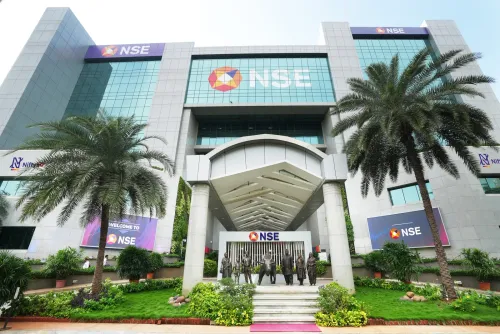
Shares of Polycab India extended their losing streak on Wednesday, 14 October 2026, tumbling as much as 5.02% to an intraday low of ₹7,845 on the Bombay Stock Exchange (BSE), after the National Stock Exchange (NSE) announced the stock would be removed from the equity derivatives segment. The two-day slide has wiped out significant investor value from the wire and cable maker.
What the NSE Announcement Said
The NSE notified that no new contracts will be issued for Polycab India in the futures and options (F&O) segment with effect from 30 December 2026. Existing unexpired contracts for October 2026, November 2026, and December 2026 expiry months will continue to be available for trading until their respective expiry dates, and new strikes will also be introduced in those existing contract months, the exchange clarified.
According to reports, once existing contracts expire, further surveillance measures — including price bands and gross settlement under the Insolvency and Bankruptcy Code (IBC) framework — will apply from 1 January 2027. The move follows earlier exchange circulars dated 7 August and 9 October 2026 regarding securities under the IBC framework.
The Insolvency Backdrop
The F&O exclusion is directly linked to insolvency proceedings against the company. The National Company Law Tribunal (NCLT), Ahmedabad Bench, on 7 October 2026 admitted insolvency proceedings against Polycab India over an alleged operational debt of ₹2.79 crore claimed by Asier Metals Private Limited. However, the National Company Law Appellate Tribunal (NCLAT) has since stayed that NCLT order, offering the company some legal relief even as market sentiment remains rattled.
Two Days of Selling Pressure
Tuesday's session had already seen the stock decline 5% following the initial NSE announcement, making the Wednesday fall a continuation of the same sentiment-driven selloff. The back-to-back declines reflect how quickly F&O exclusions — which reduce liquidity and signal heightened regulatory scrutiny — can unsettle retail and institutional investors alike.
The stock's current levels sit well above its 52-week low of ₹6,660.50 but considerably below its 52-week high of ₹10,128.60 on the BSE, underlining the scale of value erosion over the past year.
What Investors Should Watch
With the NCLAT stay in place, the legal outcome of the insolvency dispute will be a critical near-term trigger. If the stay is vacated or the insolvency admitted definitively, the IBC surveillance framework — including stricter price bands — would come into force. Conversely, a favourable appellate ruling could stabilise sentiment around the stock. Markets will also monitor whether the NSE revisits its F&O exclusion decision in light of the appellate court's intervention.
Point of View
Barely rounding error for a company of its scale. What spooked investors is the regulatory signal, not the debt itself: F&O exclusion under the IBC framework implies heightened scrutiny and reduced liquidity, a combination that institutional desks read as a risk flag. The NCLAT stay is legally significant, yet markets are pricing in the worst-case trajectory. If the appellate tribunal ultimately rules in Polycab's favour, the two-session selloff may prove an overreaction — but until legal clarity emerges, the stock will remain under pressure from rule-based sellers who cannot hold IBC-flagged names.
NationPress
14 Oct 2026
Frequently Asked Questions
Why did Polycab India shares fall 5% on 14 October 2026?
Polycab India shares fell 5% to ₹7,845 on the BSE after the NSE announced the stock would be removed from the equity derivatives (F&O) segment effective 30 December 2026. The move is linked to ongoing IBC-related insolvency proceedings against the company and follows a similar 5% decline in Tuesday's session.
What does the NSE F&O exclusion mean for Polycab India investors?
Existing F&O contracts for October, November, and December 2026 expiry months will continue trading until their expiry dates. However, no new contracts will be issued after December 2026, and from 1 January 2027, stricter surveillance measures including price bands and gross settlement under the IBC framework will reportedly apply.
What is the insolvency case against Polycab India?
The NCLT Ahmedabad Bench on 7 October 2026 admitted insolvency proceedings against Polycab India over an alleged operational debt of ₹2.79 crore claimed by Asier Metals Private Limited. The NCLAT has since stayed that NCLT order, providing the company temporary legal relief.
Has the NCLAT stay changed anything for the stock?
While the NCLAT stay on the NCLT insolvency order offers legal relief, the NSE's F&O exclusion notice remains in effect. Market sentiment has not recovered, as investors are awaiting a definitive appellate ruling before reassessing the stock's risk profile.
What is Polycab India's 52-week share price range?
Polycab India's shares have traded between a 52-week low of ₹6,660.50 and a 52-week high of ₹10,128.60 on the BSE, reflecting significant volatility over the past year, including the recent IBC-related selling pressure.