Indian Railways earns ₹628.49 crore from scrap disposal in Special Campaign 6
Synopsis
Indian Railways has cleared over 6.2 lakh square feet of space and earned ₹628.49 crore — above its own ₹600 crore target — from a single month-long scrap disposal drive. The campaign also disposed of 1.5 lakh e-waste units and ran a simultaneous citizen feedback programme across 5,884 stations, signalling a push to combine revenue recovery with operational housekeeping at scale.
Key Takeaways
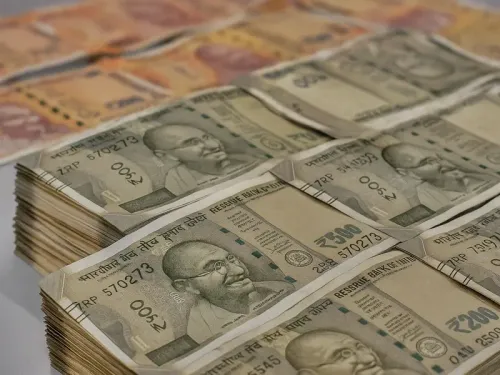
Indian Railways generated ₹628.49 crore through scrap disposal during Special Campaign 6 , exceeding the target of ₹600 crore .
The drive ran from 2 October to 31 October 2026 across zonal railways, divisions, production units, and PSUs.
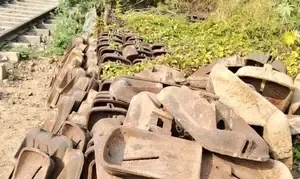
More than 6,20,121 square feet of space was reclaimed by removing scrap and obsolete materials.
Over 1.5 lakh units of e-waste were disposed of, generating ₹10.43 crore in dedicated revenue.
More than one lakh cleanliness drives were conducted at stations, offices, and workshops during the campaign.
The Rail Jan Samvad programme was held at 5,884 stations simultaneously on 22 October to gather passenger feedback.
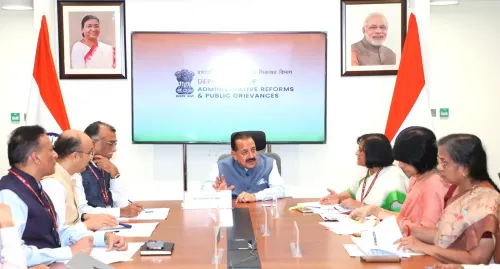
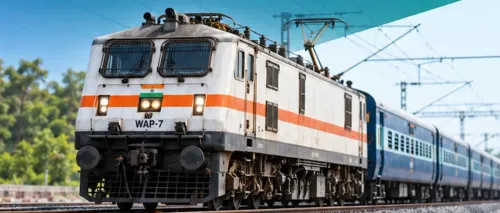
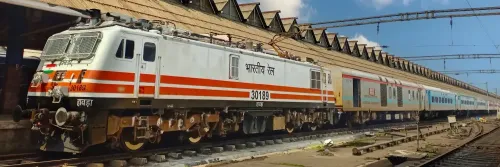
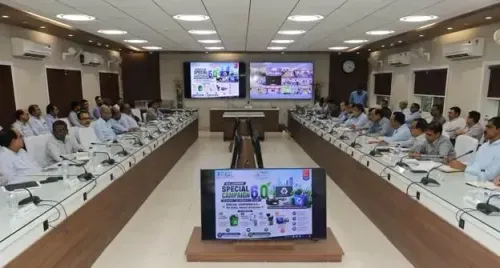
Indian Railways generated ₹628.49 crore through scrap disposal and reclaimed more than 6.2 lakh square feet of space during Special Campaign 6, a month-long cleanliness and administrative efficiency drive conducted across the national railway network between 2 October and 31 October 2026. The campaign exceeded its own scrap disposal target of ₹600 crore, according to the Ministry of Railways.
Scale of the Campaign
The drive was carried out across zonal railways, divisions, production units, public sector undertakings, and other railway establishments. More than one lakh cleanliness drives were undertaken at railway stations, offices, workshops, and other railway facilities over the course of the month. In total, 6,20,121 square feet of space was freed through the removal of obsolete materials, scrap, and other unwanted items.
E-Waste Disposal and Revenue
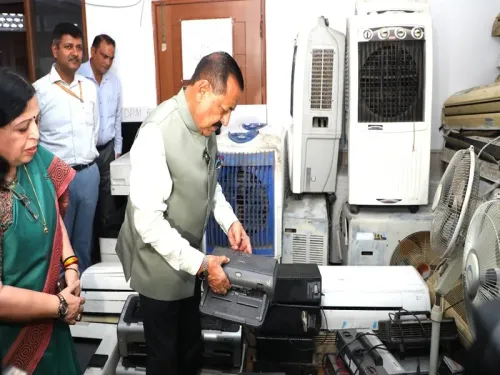
A key focus area of Special Campaign 6 was the responsible handling of electronic waste. Indian Railways disposed of more than 1.5 lakh units of e-waste during the drive, generating a dedicated revenue of ₹10.43 crore. Officials said this component of the campaign advanced the organisation's broader commitment to responsible waste management practices.
Administrative Efficiency Measures
Beyond physical cleanliness, the campaign included a comprehensive review of old physical and electronic records, as well as the disposal of pending public grievances, appeals, Parliamentary assurances, VIP references, and other long-pending matters. The Ministry of Railways said these initiatives were aimed at improving record management, reducing pendency, and creating a more organised working environment across the network.
Rail Jan Samvad: Citizen Engagement Drive
As part of the campaign, Indian Railways organised a nationwide Rail Jan Samvad programme on 22 October, held simultaneously at 5,884 railway stations across the country. The initiative enabled passengers to directly share feedback and suggestions with senior railway officials, reinforcing the citizen-engagement dimension of the drive. This kind of large-scale simultaneous outreach across thousands of stations is a relatively novel feature for the annual campaign series. The results of Special Campaign 6 set a fresh benchmark for revenue generation and space reclamation under this recurring exercise, and the Railways is expected to build on these outcomes in future editions.
Point of View
But the more meaningful question is what happens to this reclaimed space and revenue within the wider capital allocation framework — a detail the ministry has not addressed. The e-waste component, at ₹10.43 crore from 1.5 lakh units, points to a growing backlog of obsolete technology across the network, which is a governance concern as much as a housekeeping one. Annual cleanliness campaigns risk becoming ritual if the underlying procurement and disposal processes that generate scrap accumulation are not reformed. The Rail Jan Samvad's simultaneous rollout at 5,884 stations is operationally notable, but its value depends entirely on whether passenger feedback feeds into measurable service changes — a loop the Railways has not consistently closed in the past.
NationPress
9 Nov 2026
Frequently Asked Questions
What is Special Campaign 6 launched by Indian Railways?
Special Campaign 6 is a month-long cleanliness and administrative efficiency drive conducted by Indian Railways from 2 October to 31 October 2026. It covered zonal railways, divisions, production units, and public sector undertakings, targeting scrap disposal, space reclamation, and resolution of long-pending administrative matters.
How much revenue did Indian Railways generate from scrap disposal in Special Campaign 6?
Indian Railways generated ₹628.49 crore through scrap disposal during Special Campaign 6, exceeding its pre-set target of ₹600 crore. Additionally, e-waste disposal contributed ₹10.43 crore of that total from over 1.5 lakh units.
How much space was freed up during the campaign?
Indian Railways reclaimed 6,20,121 square feet of space — more than 6.2 lakh square feet — through the removal of scrap, obsolete materials, and other unwanted items during the drive.
What was the Rail Jan Samvad programme?
Rail Jan Samvad was a nationwide citizen engagement initiative held on 22 October 2026 simultaneously at 5,884 railway stations. It allowed passengers to directly share feedback and suggestions with senior railway officials as part of Special Campaign 6.
What administrative work was covered under Special Campaign 6?
Beyond physical cleanliness, the campaign included review and disposal of old physical and electronic records, pending public grievances, appeals, Parliamentary assurances, VIP references, and other long-pending matters, aimed at reducing pendency across railway establishments.