Special Campaign 6.0 launched: e-waste disposal focus from Oct 2-31, 2026
Synopsis
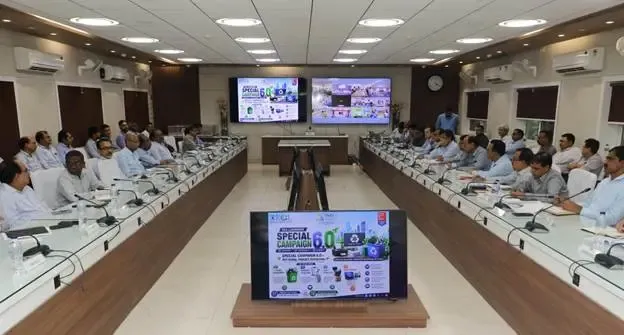
Special Campaign 6.0 marks a significant upgrade — for the first time, e-waste collection, segregation and disposal takes centre stage, going beyond the scrap and space-clearance focus of earlier editions. With Campaign 5.0 earning ₹56.85 crore in revenue and the Ministry of Coal topping DARPG rankings, the bar is set high for this October's month-long drive.
Key Takeaways
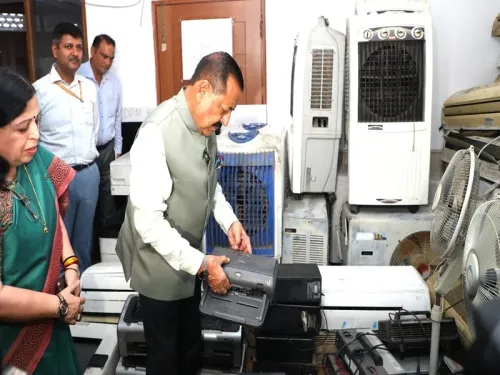
The Centre launched Special Campaign 6.0 on 14 September 2026 , to be held from 2 to 31 October 2026 with a focus on e-waste management.
Special Campaign 5.0 cleaned over 1.13 crore square feet and disposed of 14,017 metric tonnes of scrap, earning ₹56.85 crore .
The Ministry of Coal ranked first in space freed and third in revenue earned among all ministries during Campaign 5.0, per DARPG data.
The ministry reviewed 2,56,478 files and closed or weeded out 1,28,527 , achieving 100% of its targets.
An Eco Park in MCL's Orient Area features Char Dham sculptures made from 7–8 tonnes of salvaged industrial materials.
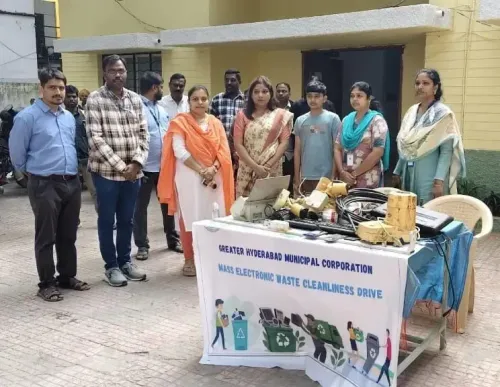
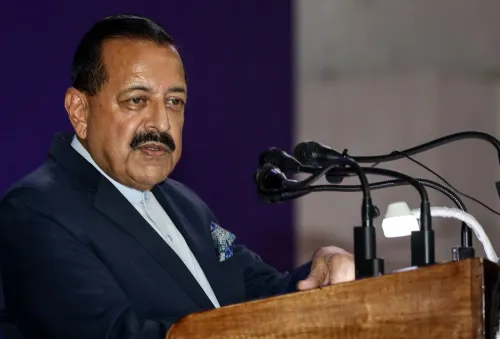
The Centre on Monday, 14 September 2026 announced the launch of Special Campaign 6.0, scheduled to run from 2 October to 31 October 2026, with a dedicated focus on the 'effective collection, segregation and disposal of e-waste.' The campaign, rooted in the government's ongoing cleanliness and waste-management drive, builds on the momentum generated by its predecessor, Special Campaign 5.0.
What Special Campaign 5.0 achieved
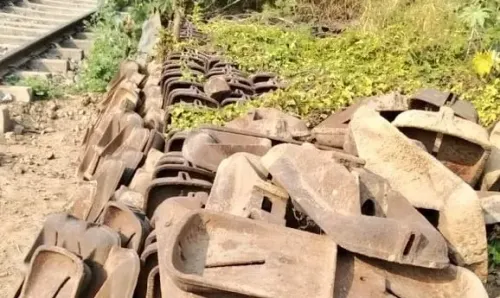
Special Campaign 5.0, conducted between 2 October 2025 and 31 August 2026, delivered results that set a high benchmark. The campaign resulted in the cleaning of more than 1.13 crore square feet of space, while over 14,017 metric tonnes of scrap was disposed of, generating revenue of ₹56.85 crore. The Ministry of Coal and its Public Sector Undertakings (PSUs) independently cleaned 83.92 lakh square feet from November 2025 to August 2026, disposing of over 15,585 metric tonnes of scrap and earning ₹55.29 crore in revenue.
Ministry of Coal's standout performance
According to the Department of Administrative Reforms and Public Grievances (DARPG) report, the Ministry of Coal emerged as the Top Performer in the category of space freed during Special Campaign 5.0, and ranked third in revenue earned among all central ministries and departments. The ministry also reported 100% disposal of public grievances and PMO references, and a 100% achievement of its file-review targets — a total of 2,56,478 files were reviewed, of which 1,28,527 were weeded out or closed.
Public outreach and creative reuse
The ministry's communication campaign was extensive: it published 3,107 posts on social media, issued 841 press releases, and released 29 PIB statements, backed by wide media coverage. On the creative front, an Eco Park in the Orient Area of Mahanadi Coalfields Limited (MCL) was developed featuring representations of the Char Dham, constructed entirely from 7 to 8 tonnes of salvaged materials including retired LHD spares, conveyor belt parts, pump components, drill machine spares, and electrical equipment.
What Campaign 6.0 signals
The pivot to e-waste in Campaign 6.0 is notable — it reflects a broader policy shift as India grapples with mounting volumes of discarded electronics, a segment that prior cleanliness drives did not specifically address. This comes amid growing regulatory attention to the E-Waste (Management) Rules and India's commitments under extended producer responsibility frameworks. With the campaign due to run through the month of October, results are expected to be compiled and reported by November 2026.
Point of View
Leaving the fastest-growing waste stream largely untouched. India generates an estimated 3 million metric tonnes of e-waste annually, and voluntary campaign-based collection, however well-publicised, is a limited response to a structural challenge that requires enforced extended producer responsibility. The Ministry of Coal's top DARPG ranking is genuinely impressive, but the ministry's core portfolio — coal production — is itself a significant environmental variable; the juxtaposition of a gleaming Eco Park and ongoing fossil fuel extraction is a contradiction that deserves scrutiny. Whether Campaign 6.0 produces measurable e-waste diversion data, or remains primarily a communications exercise, will be the real test of its ambition.
NationPress
14 Sept 2026
Frequently Asked Questions
What is Special Campaign 6.0 and when does it take place?
Special Campaign 6.0 is a Central government cleanliness and waste-management drive scheduled from 2 to 31 October 2026, with a primary focus on the effective collection, segregation and disposal of e-waste. It is the sixth edition of an annual campaign run across government ministries, departments and their PSUs.
What did Special Campaign 5.0 achieve?
Special Campaign 5.0, held from 2 October 2025 to 31 August 2026, resulted in over 1.13 crore square feet of space being cleaned and 14,017 metric tonnes of scrap disposed of, generating ₹56.85 crore in revenue. The Ministry of Coal ranked first among all ministries in space freed, according to the DARPG report.
Why is e-waste the focus of Campaign 6.0?
E-waste has been singled out as a priority because it represents India's fastest-growing waste category and was not specifically targeted by earlier campaign editions. The shift aligns with broader regulatory attention to India's E-Waste (Management) Rules and extended producer responsibility frameworks.
How did the Ministry of Coal perform in Special Campaign 5.0?
The Ministry of Coal was the top-ranked ministry in the 'space freed' category and ranked third in revenue earned during Campaign 5.0, per the DARPG report. It also achieved 100% disposal of public grievances and PMO references, and reviewed 2,56,478 files, closing or weeding out 1,28,527 of them.
What is the Eco Park built during Special Campaign 5.0?
The Eco Park is located in the Orient Area of Mahanadi Coalfields Limited (MCL) and features Char Dham sculptures crafted entirely from 7 to 8 tonnes of salvaged industrial materials, including retired LHD spares, conveyor belt parts, pump components, drill machine spares, and electrical equipment.