RBI appoints Suman Ray as Executive Director with immediate effect
Synopsis
The RBI has named its third Executive Director in as many months, with Suman Ray — a 30-year central banking veteran and former Maharashtra Regional Director — taking charge of Deposit Insurance and Premises. The rapid succession of senior appointments signals a deliberate effort to shore up the RBI's leadership bench at a time of heightened regulatory and monetary pressure.
Key Takeaways
Suman Ray appointed Executive Director of the RBI with immediate effect on 1 September .
Ray was previously Regional Director for Maharashtra and has over three decades of RBI experience.
He will oversee the Department of Deposit Insurance and Credit Guarantee Corporation and the Premises Department .
Monisha Chakraborty was appointed ED last month, heading the Foreign Exchange and Financial Markets Regulation departments.
Ravi Shankar was named ED in July , continuing to oversee the Department of Statistics and Information Management .
All three appointments are internal promotions of career central bankers with over 30 years of RBI experience each.
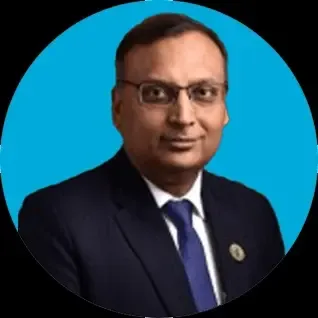
The Reserve Bank of India (RBI) on Tuesday, 1 September elevated Suman Ray to the post of Executive Director (ED) with immediate effect, the central bank announced. Ray, who was previously serving as Regional Director for Maharashtra, brings over three decades of central banking experience to the role.
Key Responsibilities in the New Role
As Executive Director, Ray will oversee the Department of Deposit Insurance and Credit Guarantee Corporation and the Premises Department. According to an RBI statement, his career has spanned several critical functions including Currency Management, Financial Inclusion, Payment and Settlement Systems, Consumer Education and Protection, and Human Resources. He has also served as Secretary to the Western Area Local Board.
Part of a Broader Leadership Reshuffle at RBI
Ray's appointment is the third Executive Director elevation at the RBI in as many months, pointing to a concerted effort to refresh the central bank's senior leadership tier. Last month, Monisha Chakraborty was appointed as Executive Director, taking charge of the Foreign Exchange Department and the Financial Markets Regulation Department.
Chakraborty, a career central banker with over three decades of experience in supervision, foreign exchange, and government and bank accounts, previously served as Chief General Manager-in-Charge of the Department of Supervision. She has also served as Banking Ombudsman and was associated with a technical committee formed to review the format of the RBI's Balance Sheet and Profit and Loss account. She holds a degree in Economics and a Master's degree in Business Economics, both from Delhi University.
July Appointment: Ravi Shankar as Executive Director
In July, the RBI had appointed Ravi Shankar as Executive Director. Before his elevation, Shankar served as Adviser-In-Charge of the Department of Statistics and Information Management, a role he continues to oversee in his new capacity. A statistician and career central banker with more than three decades at the RBI, Shankar's expertise spans corporate and banking statistics, the government securities market, settlement systems, debt management, and survey-related functions.
What This Signals
The back-to-back appointments reflect the RBI's ongoing effort to strengthen institutional depth at the executive level. With monetary policy under heightened scrutiny and financial market regulation growing in complexity, seasoned internal promotions signal continuity and institutional stability. All three appointees are career central bankers, underscoring the RBI's preference for domain expertise over lateral hiring at this tier.
Point of View
All three promotions are internal, signalling that the central bank is betting on institutional memory over fresh external perspectives. Whether that insular approach serves the RBI well as it navigates fintech regulation, cross-border payments, and a shifting global rate cycle remains a legitimate question that mainstream coverage tends to skip over.
NationPress
1 Sept 2026
Frequently Asked Questions
Who is Suman Ray and what is his new role at the RBI?
Suman Ray is a career central banker with over three decades of experience at the Reserve Bank of India. He has been appointed Executive Director with immediate effect, and will oversee the Department of Deposit Insurance and Credit Guarantee Corporation and the Premises Department.
What was Suman Ray's previous role before becoming Executive Director?
Prior to his elevation, Suman Ray served as Regional Director for Maharashtra at the RBI. He has also served as Secretary to the Western Area Local Board and worked across Currency Management, Financial Inclusion, and Payment and Settlement Systems during his career.
Who else was recently appointed as Executive Director at the RBI?
Monisha Chakraborty was appointed Executive Director last month to head the Foreign Exchange Department and Financial Markets Regulation Department. Ravi Shankar was appointed ED in July and continues to oversee the Department of Statistics and Information Management.
Why has the RBI made multiple Executive Director appointments in quick succession?
The RBI has appointed three Executive Directors in three months, reflecting a broader effort to strengthen senior leadership. All three are career central bankers with over 30 years of experience, suggesting the bank is prioritising institutional continuity and domain expertise at the executive tier.
What departments does the RBI's Deposit Insurance function cover?
The Department of Deposit Insurance and Credit Guarantee Corporation, which Suman Ray will now oversee, handles deposit protection mechanisms for bank customers in India. It operates under the broader RBI regulatory framework to safeguard depositor interests.