RBI policy, Q2 earnings, West Asia: 3 triggers for markets next week

Synopsis
India's equity markets have logged eight straight weekly losses, with the Sensex shedding over 1,670 points last week alone. Next week, three triggers — the RBI's rate and growth guidance, the opening of the Q2 earnings season, and any West Asia de-escalation — will determine whether markets find a floor or extend the slide.
Key Takeaways
Sensex shed 1,670.84 points last week, closing at 71,909.70 ; Nifty50 lost over 3 per cent to settle at 22,421.95 .
The Nifty50 has now recorded its eighth consecutive weekly decline , with weekly RSI at approximately 31.06 — near oversold territory.
The RBI monetary policy decision , including its inflation outlook and growth projections, is the most closely watched domestic event next week.
The Q2 corporate earnings season begins next week, with bellwether results likely to drive sectoral moves.
Brent crude has retreated from recent highs as Strait of Hormuz exports recover; a West Asia de-escalation could trigger a relief rally.
India's industrial production rose 8.0 per cent year-on-year in August , with manufacturing output up 9 per cent , providing a resilient domestic backdrop.
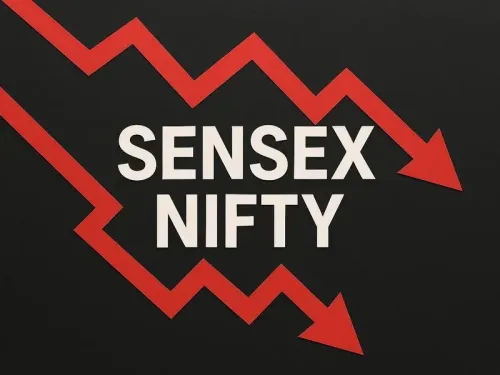
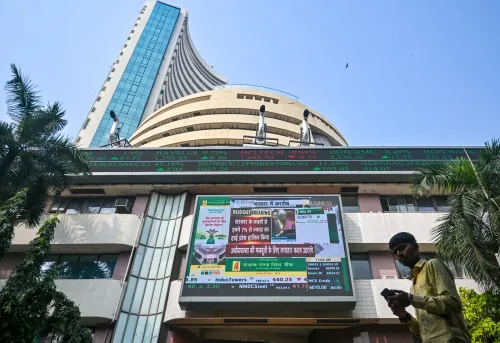
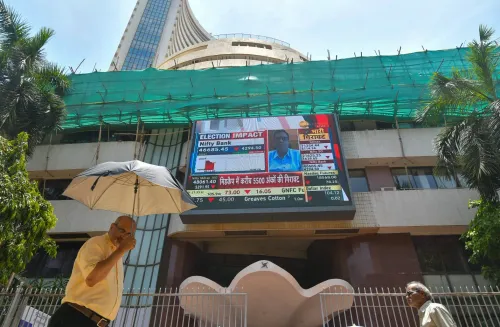
Indian stock markets head into the coming week carrying the weight of an eighth consecutive weekly decline, with investors eyeing three decisive triggers: the Reserve Bank of India (RBI) monetary policy decision, the opening of the Q2 earnings season, and any de-escalation in West Asia tensions. The BSE Sensex shed 1,670.84 points last week to settle at 71,909.70, while the Nifty50 lost over 3 per cent to close at 22,421.95 — sliding below a key psychological threshold as global headwinds overwhelmed domestic resilience.
Eight Consecutive Weekly Declines
The bearish tone was evident from the very first session of the holiday-shortened week, with the Sensex falling 1.52 per cent on Monday, followed by relatively modest losses over the next two sessions before another 0.79 per cent drop on Thursday. Analysts describe the weekly price action as a clear continuation of the corrective phase. The Nifty50 has now posted its eighth straight weekly fall — an extended losing streak that underscores the depth of the current correction.
From a technical standpoint, the weekly RSI (Relative Strength Index) is placed at approximately 31.06 — well below the neutral mark of 50 and also meaningfully below its average of around 46.27. According to analysts, the index is approaching the oversold zone, suggesting continued pressure but with the possibility of intermittent technical pullbacks from lower levels. On the upside, immediate resistance is at 22,800 and 23,000; on the downside, support is seen at 22,350 and 22,180. A sustained move above the resistance band would be needed to ease selling pressure and restore near-term market structure.
RBI Policy in Focus
The RBI's upcoming policy review is widely regarded as the most significant domestic event of the week. Market participants will closely track the central bank's stance on inflation, its growth projections, and any shift in the rate trajectory. With global financial conditions tightening on the back of surging US Treasury yields, the RBI's guidance will be crucial in determining the near-term direction of domestic interest rates and capital flows. Elevated long-term US bond yields have already raised concerns about the relative attractiveness of emerging-market assets, including Indian equities.
Q2 Earnings Season Kicks Off
The beginning of the Q2 (July–September 2024) corporate earnings season adds another layer of market-moving potential next week. Earnings results will offer the first formal gauge of how India Inc has navigated a quarter marked by global uncertainty, elevated input costs, and volatile currency movements. Any significant earnings surprises — positive or negative — from bellwether companies could set the tone for broader sectoral moves.
West Asia and the Energy Wildcard
Developments in West Asia remain a critical swing factor. A meaningful de-escalation, according to market watchers, could trigger a sharp relief rally. Brent crude has retreated from recent highs as oil exports through the Strait of Hormuz have recovered closer to pre-conflict levels — a development that has offered some reprieve to energy-sensitive markets. However, elevated energy prices continue to exert upward pressure on global inflation and weigh on investor risk appetite. Any re-escalation could reverse recent crude price relief.
Domestic Resilience Amid Global Headwinds
On the domestic front, the macroeconomic backdrop remains relatively firm. India's industrial production growth accelerated to 8.0 per cent year-on-year in August, up from an upwardly revised 7.4 per cent in July. Manufacturing output expanded 9 per cent, while electricity and gas supply grew 12.3 per cent — signalling resilient economic activity even as equity markets correct. Globally, the key data watch includes the US nonfarm payrolls report and the ISM Manufacturing PMI, both of which could significantly influence sentiment in emerging markets, including India.
Point of View
Or signal rate relief to stabilise markets and protect growth momentum. India's strong industrial production data offers cover for patience, but markets are pricing in fear, not fundamentals. If the RBI disappoints and West Asia flares again, the oversold Nifty could see the kind of forced selling that turns a correction into a rout.
NationPress
4 Oct 2026
Frequently Asked Questions
Why have Indian stock markets been falling for eight consecutive weeks?
The Nifty50 has declined for eight straight weeks, driven by rising US Treasury yields, persistent global inflation, elevated energy prices due to West Asia tensions, and a broad sell-off in emerging-market assets. Domestic factors have so far remained resilient, but global headwinds have overwhelmed them.
What is the RBI expected to decide at its upcoming policy meeting?
Markets are watching for the RBI's stance on inflation, its growth projections, and any signal on the trajectory of domestic interest rates. A dovish tilt could support equities, while a continued hawkish posture may keep pressure on valuations.
How could West Asia developments affect Indian markets next week?
A meaningful de-escalation in West Asia could trigger a sharp relief rally in Indian equities, according to market watchers. Conversely, any re-escalation would likely push crude oil higher, worsening inflation fears and dampening investor risk appetite globally.
What are the key technical levels to watch on the Nifty50?
Analysts place immediate resistance at 22,800 and 23,000, with support at 22,350 and 22,180. The weekly RSI of around 31.06 is approaching the oversold zone, suggesting the index remains under pressure but could see intermittent technical pullbacks.
How has India's domestic economy performed amid the market correction?
India's industrial production growth accelerated to 8.0 per cent year-on-year in August, up from an upwardly revised 7.4 per cent in July. Manufacturing output grew 9 per cent and electricity and gas supply expanded 12.3 per cent, indicating the real economy remains resilient despite the equity market sell-off.