How Will RBI's Repo Rate Cut Impact Borrowing and Exports?
Click to start listening
Synopsis
Discover how the RBI's recent repo rate cut aims to lower borrowing costs and enhance export growth. Industry leaders view this as a critical step in fostering economic confidence amidst fluctuating global demand.
Key Takeaways
- RBI cuts repo rate to 5.25%.
- Lower borrowing costs to enhance growth.
- Support for exports and liquidity.
- Encouragement for MSMEs and homebuyers.
- Potential boost in consumer demand.
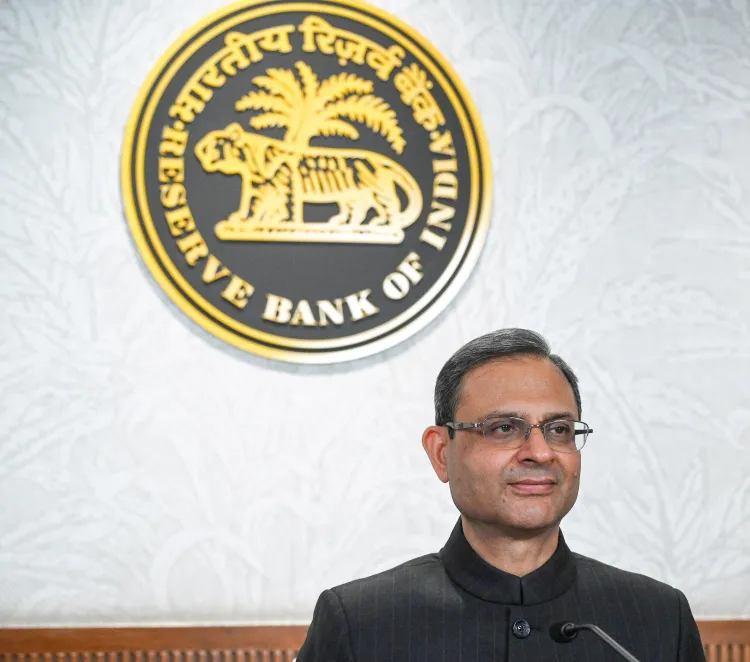
New Delhi, Dec 5 (NationPress) The Reserve Bank of India (RBI) has made a strategic move by reducing the repo rate by 25 basis points to 5.25 percent, a decision that industry chambers have termed as critical for fostering confidence, reducing borrowing expenses, and enhancing growth and exports. On Friday, industry associations expressed their approval of this timely intervention.
The Associated Chambers of Commerce and Industry of India (ASSOCHAM) applauded this proactive approach, emphasizing that it occurs at a pivotal moment when the Indian economy demonstrates a balanced strength characterized by solid GDP growth and controlled inflation.
Similarly, the Federation of Indian Export Organisations (FIEO) endorsed the RBI's action, noting that it would bolster export competitiveness and alleviate liquidity challenges faced by exporters.
Nirmal Minda, President of ASSOCHAM, remarked, "This rate cut, following a total of 125 bps reductions this year, will lower borrowing costs, encourage industrial growth, and generate substantial job opportunities across various sectors."
The reduction in the repo rate will enable banks to decrease borrowing costs, allowing them to provide loans at more affordable rates to both retail and corporate clients.
Moreover, this enhanced accessibility to financing will fortify Non-Banking Financial Companies (NBFCs) and housing finance firms, thus promoting financial inclusion and broadening credit access for traditionally underserved groups.
Developers will benefit from less expensive project financing, while homebuyers can anticipate reduced EMIs, which could catalyze new project launches and help clear unsold inventory.
Additionally, lower auto loan rates are expected to spur demand for vehicles, particularly in rural regions. The ongoing festive season may also witness increased purchases of consumer goods such as electronics and appliances.
ASSOCHAM projects that MSMEs will gain from the availability of affordable credit for both expansion and working capital needs, particularly as recent GST cuts further diminish operational expenses.
FIEO President S.C. Ralhan noted that the reduction of borrowing costs comes at a crucial time when Indian exporters are dealing with unpredictable global demand and fluctuating input costs.
“The RBI's decision will significantly reduce credit expenses for exporters, empowering them to invest more readily in working capital, technology advancements, and international marketing strategies,” Ralhan stated.
He urged banks to swiftly pass on the benefits of the rate cuts to exporters through lower lending rates and expedited credit disbursement to maximize the effects of this monetary easing.
Point of View
It is essential to acknowledge the positive impact of the RBI's repo rate cut. This decision comes at a crucial time for the Indian economy, aiming to enhance financial accessibility for various sectors while fostering growth and stability.
NationPress
05/12/2025
Frequently Asked Questions
What is the significance of the RBI repo rate cut?
The RBI repo rate cut is significant as it lowers borrowing costs, which can stimulate economic growth and enhance export competitiveness.
How does the repo rate affect banks?
A lower repo rate reduces the cost for banks to borrow from the RBI, enabling them to offer loans at cheaper rates to retail and corporate customers.
Who benefits from the repo rate cut?
Borrowers, including homebuyers and businesses, benefit from reduced EMIs and affordable financing, while exporters gain from enhanced credit accessibility.
What other factors are influencing the Indian economy currently?
The Indian economy is currently marked by robust GDP growth and contained inflationary pressures, alongside recent GST cuts.
What is ASSOCHAM's stance on the repo rate cut?
ASSOCHAM views the repo rate cut as a proactive measure that will support growth and create job opportunities across various sectors.