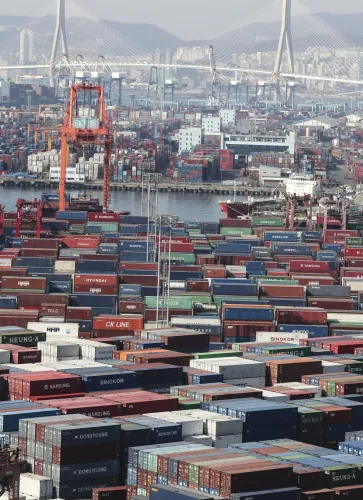
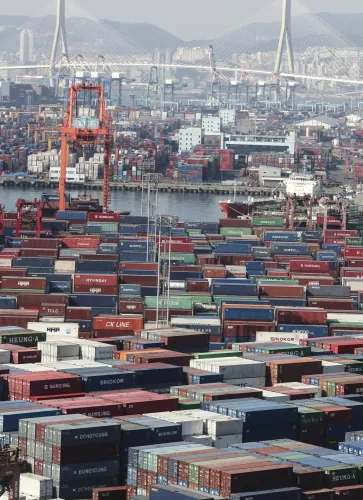
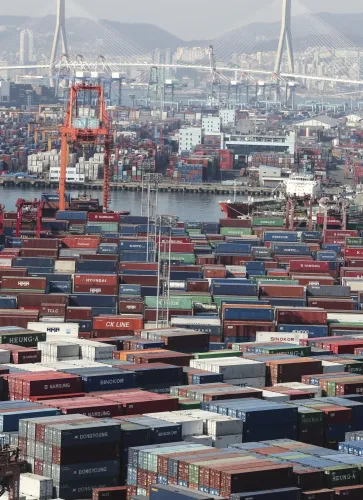
South Korea BSI rises 6 points in Q4 on semiconductor, cosmetics export boom
Synopsis
South Korea's factory confidence hit a multi-quarter high this Q4, with the semiconductor BSI reaching an all-time survey peak of 139. But the same sector driving export optimism is also the biggest target for industrial espionage — the NIS detected 40 chip-related tech leak cases in five years, including an alleged Samsung DRAM theft to a Chinese rival.
Key Takeaways
South Korea's Business Survey Index (BSI) rose 6 points to 86 for Q4 2026 , covering 2,413 manufacturing firms nationwide.
The semiconductor sector BSI hit 139 — an all-time survey high — remaining above the 100 optimism benchmark for four straight quarters .
The cosmetics sector BSI jumped 20 points to 120 ; medical and precision equipment gained 28 points to 108 .
60.4% of companies expect 2026 operating profits to miss targets, blaming elevated raw material and energy costs.
The NIS detected 107 industrial technology leak cases between 2021 and 2025 ; semiconductors accounted for 40 cases , including 31 involving national core technologies.
A former Samsung Electronics manager allegedly leaked 18-nanometer DRAM technology to ChangXin Memory Technologies of China.
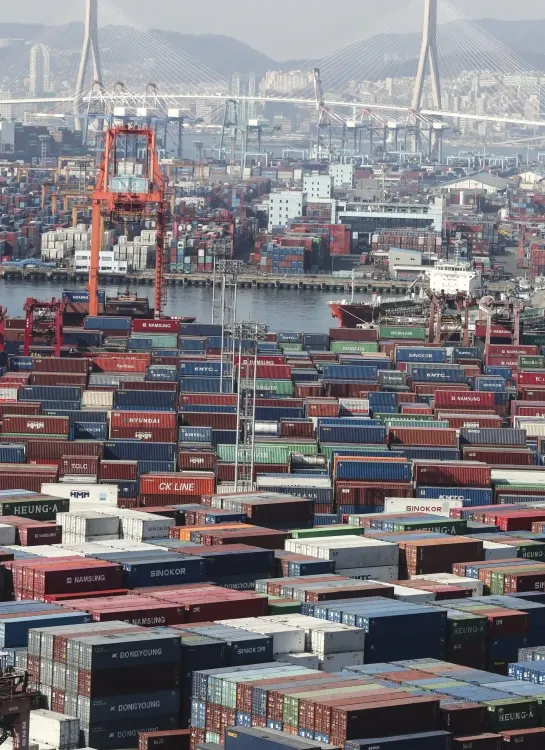
South Korea's business sentiment improved for the fourth quarter of 2026, driven by robust exports in the semiconductor and cosmetics sectors, according to a survey released on Sunday, 27 September 2026. The findings point to a cautiously brightening manufacturing outlook even as cost pressures weigh on profitability targets.
Key Survey Findings
The Business Survey Index (BSI) for 2,413 manufacturing companies nationwide reached 86 for the October–December 2026 period, up 6 points from the previous quarter, according to the Korea Chamber of Commerce and Industry (KCCI). A BSI reading below 100 indicates that pessimists outnumber optimists, while a figure above that benchmark signals the reverse.
The semiconductor sector's BSI posted 139 for the fourth quarter — the highest reading since the survey began — and has now remained above the 100 benchmark for four consecutive quarters. The cosmetics sector surged 20 points to 120, while the medical and precision equipment sector gained 28 points to reach 108.
Profitability Concerns Persist
Despite the improving sentiment, 60.4 percent of surveyed companies expected their operating profits for the year to fall short of targets set at the beginning of 2026. Higher production costs — driven by elevated raw material and energy prices — were cited as the primary reason. This underscores a recurring tension in South Korean manufacturing: strong export volumes do not always translate into bottom-line health, particularly when input costs remain sticky.
Semiconductor Technology Leaks: A Parallel Threat
Separately, South Korea's spy agency has detected more than 100 cases of industrial technology leaks overseas over the past five years, with semiconductors accounting for nearly 40 percent of the total, according to official data.
Data submitted by the Ministry of Trade, Industry and Resources to the National Assembly showed the National Intelligence Service (NIS) detected 107 cases of overseas industrial technology leaks between 2021 and 2025. Semiconductor technologies accounted for the largest share with 40 cases, followed by display technologies with 21 cases, and electrical and electronics technologies with 10 cases. Seven cases involved automotive technologies, while six involved shipbuilding technologies.
Of the 107 cases, 31 involved national core technologies — assets the government designates as critical to national security and the economy. Semiconductors again led, with nine such cases, followed by displays and electrical and electronics technologies with five cases each.
The Samsung-ChangXin Case
One high-profile incident involved a former Samsung Electronics manager who allegedly leaked the company's 18-nanometer DRAM manufacturing technology — a national core technology — to Chinese chipmaker ChangXin Memory Technologies. The case illustrates the geopolitical stakes attached to South Korea's semiconductor dominance and the growing sophistication of industrial espionage targeting the sector.
What This Means Going Forward
South Korea's semiconductor and cosmetics exports are providing a tangible lift to manufacturing confidence, but the twin challenges of margin compression and technology security risks cloud the longer-term picture. The NIS data and the KCCI survey together suggest that sustaining export leadership will require not only demand-side momentum but also tighter safeguards around proprietary technologies that rivals are actively seeking to acquire.
Point of View
But 40 leak cases in five years, with one allegedly involving Samsung's cutting-edge DRAM going directly to a Chinese competitor, signals that the country's manufacturing edge is under active assault. The profitability gap — where 60% of firms miss targets despite strong export volumes — also points to a structural cost problem that buoyant BSI readings can mask. India, which is building its own semiconductor ambitions, should read both signals closely: export strength and IP security are inseparable.
NationPress
27 Sept 2026
Frequently Asked Questions
What is the Business Survey Index and what did it show for South Korea in Q4 2026?
The Business Survey Index (BSI) measures whether manufacturing companies are more optimistic or pessimistic about business conditions, with 100 as the neutral threshold. South Korea's BSI rose 6 points to 86 for the October–December 2026 quarter, according to the Korea Chamber of Commerce and Industry, reflecting improved but still net-pessimistic sentiment across 2,413 firms.
Why did South Korea's semiconductor sector BSI reach an all-time high?
The semiconductor sector BSI hit 139 in Q4 2026 — the highest reading since the survey began — driven by robust overseas demand for South Korean chips. It is the fourth consecutive quarter the sector has stayed above the 100 optimism benchmark, reflecting sustained global appetite for South Korean semiconductor exports.
Why are most South Korean manufacturers still missing profit targets despite improving sentiment?
60.4% of surveyed companies expect 2026 operating profits to fall below targets set at the start of the year, primarily because of higher raw material and energy costs. Strong export volumes have not fully offset the squeeze on margins caused by elevated input prices.
How serious is the industrial technology leak problem in South Korea?
The National Intelligence Service detected 107 cases of overseas industrial technology leaks between 2021 and 2025, of which 31 involved government-designated national core technologies. Semiconductors were the most targeted sector, accounting for 40 of the 107 cases.
What is the Samsung–ChangXin Memory Technologies case about?
A former Samsung Electronics manager allegedly leaked the company's 18-nanometer DRAM manufacturing technology — classified as a national core technology by the South Korean government — to Chinese chipmaker ChangXin Memory Technologies. The case is among the most high-profile in the NIS dataset covering the 2021–2025 period.