South Korea product recalls rise 5% in 2025 on hazardous online imports
Synopsis
South Korea's product recall count hit 2,656 in 2025 — a 5% jump — but the real alarm is in the 42% surge in consumer-act violations, pointing directly at hazardous foreign goods slipping through domestic online marketplaces. The FTC is now pushing platform operators to proactively block such products, signalling a new era of e-commerce accountability in the country.
Key Takeaways
South Korea recorded 2,656 product recall cases in 2025 , up 5% from 2,537 in 2024.
Recalls linked to Framework Act on Consumers violations surged 42% to 851 cases , driven by overseas-recalled goods sold on domestic online platforms.
Industrial consumer goods recalls rose 8.6% to 1,282 cases ; medical device recalls up 8.5% to 308 cases .
Pharmaceutical product recalls fell 13.5% to 295 cases .
The FTC plans fines of up to 10% of assets or sales on conglomerate heads who omit affiliates from regulatory filings.
South Korea recorded 2,656 product recall cases in 2025, a rise of roughly 5 percent from 2,537 the previous year, according to data released on Monday, 10 August by the Fair Trade Commission (FTC). The increase was driven largely by hazardous imported goods being sold through domestic online marketplaces.
Key Developments
The sharpest surge came in recalls linked to violations of the Framework Act on Consumers, which climbed nearly 42 percent year-on-year to 851 cases. Regulators attributed the spike to products that had already been recalled in overseas markets continuing to circulate on South Korean e-commerce platforms. A recall, as defined by the FTC, covers corrective actions — voluntary or government-mandated — taken by businesses to address defects that pose consumer safety risks.
Category Breakdown
Industrial consumer goods accounted for the largest share, with 1,282 recall cases in 2025, up 8.6 percent from the prior year. Medical device recalls rose 8.5 percent to 308 cases. In contrast, recalls of pharmaceutical products — including herbal medicines — fell 13.5 percent to 295 cases.
What the Regulator Said
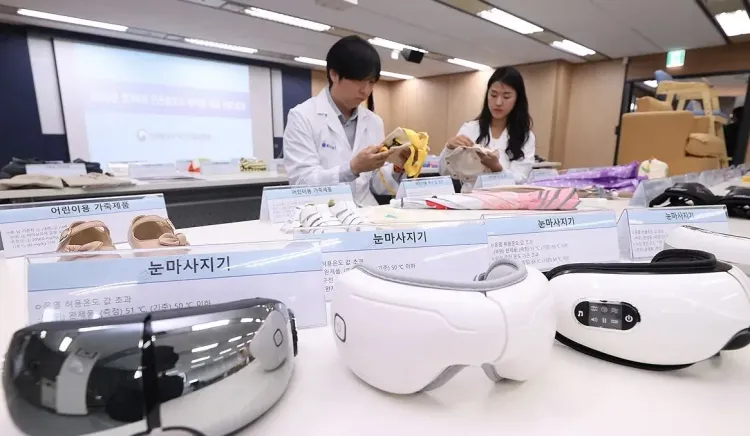
'Considering the increase in hazardous imported goods sold locally amid a rise in direct purchases by consumers, the FTC is enhancing surveillance in cooperation with relevant agencies,' the watchdog stated. It added that the government is 'promptly suspending sales of hazardous products subject to recalls overseas or those found to pose safety risks through safety tests by requesting online marketplace operators to block their sales.'
Antitrust Crackdown
Separately, the FTC unveiled plans to fine conglomerate heads when their business groups omit affiliates from regulatory filings to evade antitrust rules. The plan, presented in a policy briefing to President Lee Jae Myung, would allow fines of up to 10 percent of the larger of the combined assets or average annual sales of the omitted affiliates. The FTC also flagged measures to tackle price rigging as part of the broader policy package.
With cross-border e-commerce volumes continuing to rise, regulators are expected to intensify real-time monitoring of online platforms to intercept recalled products before they reach consumers.
Point of View
Not the headline 5% rise. It signals that South Korea's open e-commerce ecosystem has become a back-channel for products already banned elsewhere — a systemic gap that platform self-regulation has clearly failed to close. The FTC's move to compel marketplace operators to block flagged products shifts liability upstream, but enforcement at the speed of cross-border e-commerce remains the unresolved question. The simultaneous antitrust push against conglomerates hiding affiliates suggests the FTC is in an expansionary phase — whether it has the bandwidth to execute both agendas simultaneously is worth watching.
NationPress
24 Sept 2026
Frequently Asked Questions
Why did product recalls rise in South Korea in 2025?
South Korea saw 2,656 product recalls in 2025, up 5% from 2024, primarily because hazardous imported goods that had already been recalled in other countries were being sold on domestic online marketplaces. The Fair Trade Commission flagged a 42% surge in violations of the Framework Act on Consumers as the key driver.
Which product categories saw the most recalls in 2025?
Industrial consumer goods led with 1,282 recall cases, up 8.6% year-on-year. Medical device recalls rose 8.5% to 308 cases. Pharmaceutical product recalls, including herbal medicines, were the exception, falling 13.5% to 295 cases.
What action is South Korea's FTC taking on hazardous online products?
The FTC is enhancing surveillance in cooperation with relevant agencies and is requesting online marketplace operators to block sales of products subject to overseas recalls or those that fail domestic safety tests. The government aims to suspend such sales promptly.
What are the new FTC rules on conglomerate filings?
The FTC plans to impose fines of up to 10% of the larger of combined assets or average annual sales of omitted affiliates on conglomerate heads who exclude subsidiaries from regulatory filings to avoid antitrust scrutiny. The plan was presented to President Lee Jae Myung as part of a broader policy briefing.
What is a product recall under South Korean law?
A recall refers to corrective actions taken by businesses — either voluntarily or in compliance with government recommendations or orders — to address product defects that pose or could pose harm to consumers, as defined by the Fair Trade Commission.