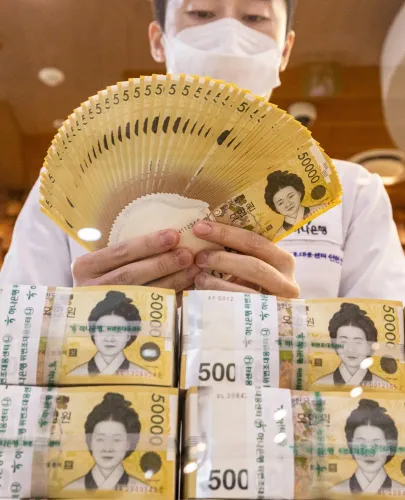
South Korea's Government to Combat Fake News Targeting Market Stability
Synopsis
In a decisive move, South Korea's government plans to enforce strict measures against malicious fake news that disrupts market stability. With recent rumors causing significant turbulence, officials emphasize the importance of maintaining public trust and economic integrity.
Key Takeaways
South Korea is implementing strict measures against fake news.
False information can significantly disrupt market stability.
Government officials emphasize the importance of public trust.
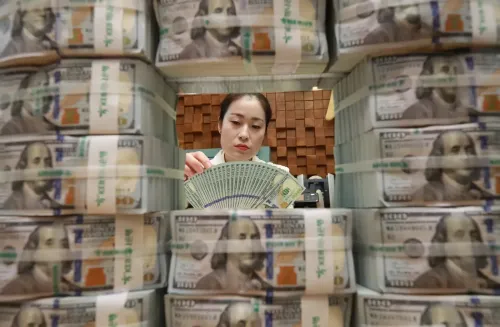
Recent rumors about dollar liquidation were unfounded.
The local currency has been volatile due to geopolitical tensions.
Seoul, April 3 (NationPress) The South Korean government is poised to implement strict actions, potentially including legal approaches, to combat malicious attempts to exploit recent market fluctuations via the dissemination of false information and rumors, a leading official from the finance ministry announced on Friday.
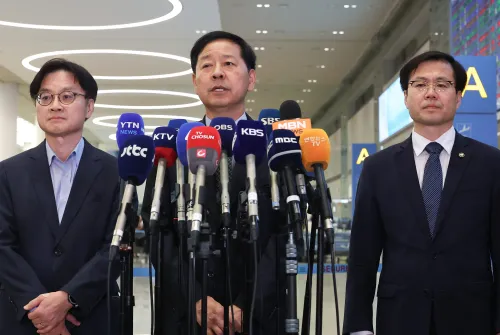
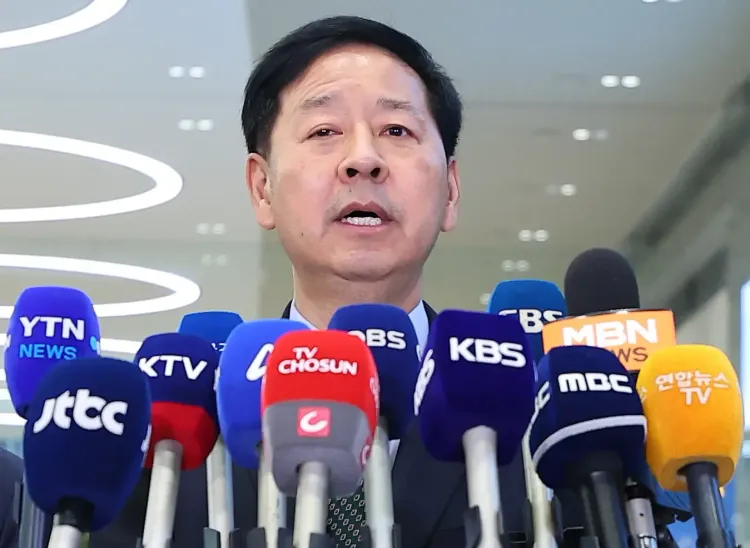
"Disseminating baseless fake news during a period of significant crisis is extremely serious, as it can incite market panic and erode public confidence in policy," stated Moon Ji-sung, the deputy minister for international economic affairs, while leading a task force meeting focused on illicit foreign exchange transactions.
The deputy minister emphasized the need for relevant agencies to respond decisively, encouraging immediate reporting to the task force and lodging complaints with law enforcement, according to Yonhap news agency.
On Thursday, Finance Minister Koo Yun-cheol lodged a complaint regarding misleading reports suggesting that the government would mandate citizens to liquidate U.S. dollar holdings.
These rumors claimed that the administration would invoke an emergency economic directive amid ongoing tensions in the Middle East, forcing individuals to sell their U.S. dollar assets and submit the proceeds to the government.
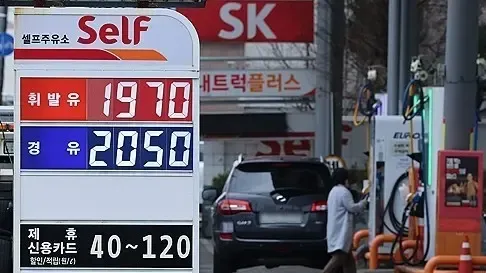
Since late February, the domestic currency has experienced increased volatility following U.S. and Israeli military actions against Iran, which have resulted in rising global oil prices and heightened inflationary concerns, along with potential economic downturns.
The Ministry of Finance and Economy indicated that Minister Koo has filed charges with law enforcement against the initial purveyors of this misinformation and those who contributed to its online propagation.
Koo reaffirmed that the government will persist in its robust and resolute stance against fake news that disrupts market stability.
The local currency has displayed significant volatility in recent days, closely following developments in the Middle East, which have driven global oil prices higher and intensified worries about inflation and a possible economic slowdown.
Point of View
The government's proactive approach to combatting fake news reflects a commitment to ensuring market integrity and public trust during a time of economic uncertainty. This approach aligns with national interests and aims to stabilize the financial environment.
NationPress
26 Sept 2026
Frequently Asked Questions
What actions is the South Korean government taking against fake news?
The government plans to implement strict measures, including legal actions, against the spread of malicious fake news that aims to exploit market volatility.
Why is fake news considered a serious issue during a crisis?
Spreading unfounded information can incite market panic and undermine public trust in government policies, making it a critical issue during financial crises.
What specific rumors prompted the government's response?
Rumors suggested that the government would require citizens to sell their U.S. dollar holdings and submit the proceeds to the state, which were proven to be false.
How has the local currency been affected recently?
The local currency has shown increased volatility due to geopolitical tensions, particularly following military actions in the Middle East that have affected global oil prices.
What is the government's stance on future incidents of misinformation?
The government has stated that it will continue to take firm and decisive action against any fake news that disrupts market stability.