Why Did S. Korea's Foreign Reserves Decline for the Second Month in January?
Synopsis
South Korea's foreign reserves have experienced a significant decline for the second consecutive month in January, prompting government actions to stabilize the foreign exchange market. As the ninth-largest holder of foreign reserves, the country faces challenges amid external economic pressures. This article delves into the reasons behind this trend and its implications.
Key Takeaways
South Korea's foreign reserves fell for the second consecutive month.
Government efforts are underway to stabilize the foreign exchange market.
Foreign securities represent a significant portion of total reserves.
The local currency has reached a multiyear low against the dollar.
Authorities are taking proactive measures to address currency stability.
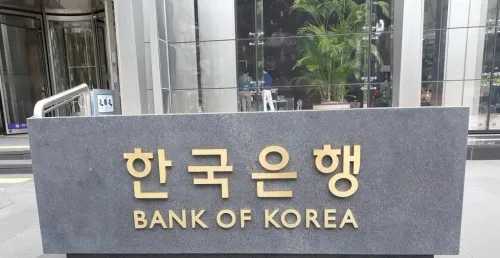
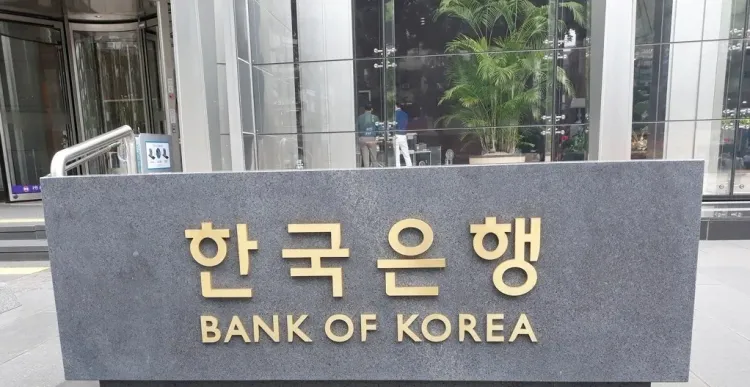
Seoul, Feb 4 (NationPress) The foreign reserves of South Korea experienced a decline for the second month in a row during January, as reported by the central bank on Wednesday, amid government efforts to stabilize the foreign exchange market.
As of the end of December, South Korea held the position of the ninth-largest foreign reserves holder globally. China leads this list, followed closely by Japan, Switzerland, Russia, and India, according to the Bank of Korea (BOK).
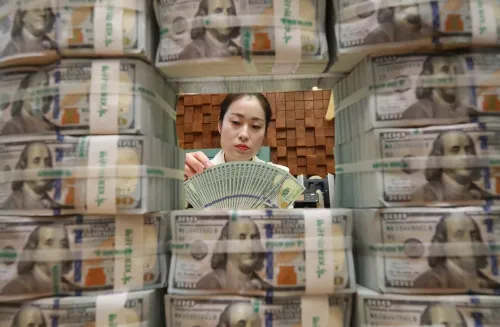
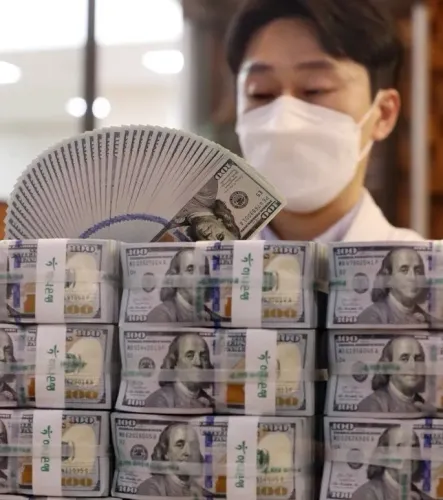
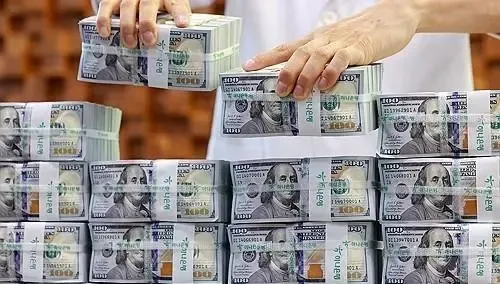
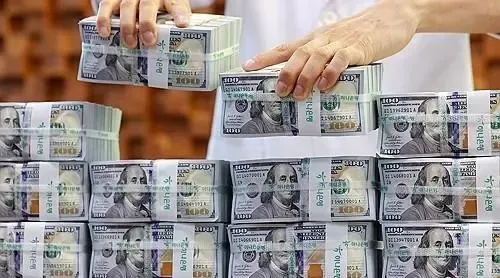
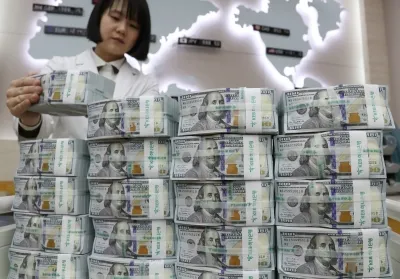
The country's foreign reserves were recorded at US$425.91 billion at the end of January, which is a decrease of $2.15 billion from December, based on data from the Bank of Korea (BOK), as reported by Yonhap news agency.
This marks the second consecutive month of decline, following a drop in December, which was the first decrease since June.
A BOK official attributed this decline primarily to market stabilization strategies, including foreign exchange swaps with the National Pension Service (NPS).
For several months, the local currency had been hovering around the critical level of 1,450 won per dollar before falling to a multiyear low below 1,480 won in late December, affected by the strong dollar, geopolitical tensions, and significant overseas investments by local investors.
In response, local authorities issued stern verbal warnings and implemented various policy measures, including extending a currency swap arrangement with the NPS for one year and discussions about creating a new framework to align the NPS's investment returns with market stability.
Foreign securities, including U.S. Treasuries, increased by $6.39 billion from the previous month, reaching $377.52 billion at the end of January, which makes up 88.6 percent of the total foreign reserves.
Conversely, the value of foreign currency deposits dropped by $8.55 billion to $23.32 billion, while special drawing rights (SDRs) remained stable at $15.89 billion.
The holdings of gold bullion also remained unchanged at $4.79 billion.
The country's reserve position with the International Monetary Fund (IMF) saw an increase of $10 million from the previous month, totaling $4.3 billion at the end of last month, according to the data.
Point of View
It is essential to recognize the complexities surrounding South Korea's foreign reserves. The decline highlights the challenges faced by the government in stabilizing the economy amid global uncertainties. Our commitment is to provide insights that reflect the nation's standing while addressing the pressing issues impacting our financial landscape.
NationPress
28 Sept 2026
Frequently Asked Questions
What caused the decline in South Korea's foreign reserves?
The decline was primarily due to government measures aimed at stabilizing the foreign exchange market, including foreign exchange swaps with the National Pension Service.
How much did South Korea's foreign reserves decrease in January?
South Korea's foreign reserves fell by $2.15 billion in January, reaching a total of $425.91 billion.
What percentage of foreign reserves does foreign securities account for?
Foreign securities, including U.S. Treasuries, accounted for 88.6 percent of South Korea's total foreign reserves.
What actions are being taken to stabilize the currency?
Local authorities have implemented various measures, including extending a currency swap arrangement with the National Pension Service and issuing strong verbal warnings.
What was the state of the Korean currency during this period?
The local currency hovered around 1,450 won per dollar before dropping to a multiyear low below 1,480 won in late December.