Samsung ships world-first HBM4E AI chip samples at 3.6 TB/s bandwidth

Synopsis
Samsung has shipped the world's first samples of its 12-layer HBM4E chip — just three months after pioneering HBM4 mass production. With 3.6 TB/s bandwidth and data speeds 20% faster than its predecessor, the chip targets Nvidia, AMD, and Google's AI infrastructure pipelines. It is Samsung's clearest bid yet to reclaim the AI memory crown from rival SK hynix.
Key Takeaways
Samsung Electronics began shipping samples of the 12-layer HBM4E chip on 29 May 2025 — the world's first such shipment.
The HBM4E delivers bandwidth of up to 3.6 terabytes per second per stack and data transfer speeds of 16 Gbps per pin , more than 20% faster than HBM4.
Samsung began mass production of HBM4 in February 2025 , just three months before this HBM4E milestone.
Key customers include Nvidia , Advanced Micro Devices (AMD) , and Google .
Samsung Electronics shares surged 4.34% on Friday; the KOSPI gained 2.33% to 8,376.05 .
Mass production of HBM4E will begin in line with customer qualification schedules.
Samsung Electronics on Friday, 29 May announced it has begun shipping samples of its 12-layer HBM4E chip — the world's first shipment of a next-generation high-bandwidth memory (HBM) product designed specifically for advanced artificial intelligence (AI) workloads. The milestone extends Samsung's run at the frontier of AI memory, coming just three months after it became the first company to mass-produce and ship sixth-generation HBM4 chips.
What the HBM4E Delivers
The new chip supports data transfer speeds of up to 16 gigabits per second per pin, a performance leap of more than 20 percent over the preceding HBM4 lineup. It also offers bandwidth of up to 3.6 terabytes per second per stack, enabling significantly faster processing for large language models and next-generation AI inference systems.
According to Samsung, the performance gains stem from optimised chip design and refined manufacturing processes — a combination the company says sets a new industry benchmark for HBM architecture.
What Samsung Said
Hwang Sang-joon, head of memory development at Samsung Electronics, said in a statement: 'Following the successful mass production of HBM4, Samsung has completed the shipment of next-generation HBM4E samples without disruption, further solidifying its technological leadership in the market.'
The company added that mass production of the HBM4E will begin in line with customer schedules following the sample shipment phase.
Key Customers and Market Context
Samsung's HBM customer base includes some of the most consequential names in global AI infrastructure — Nvidia, Advanced Micro Devices (AMD), and Google. Demand for high-bandwidth memory has surged as AI model sizes balloon, making HBM supply a strategic chokepoint in the global semiconductor race.
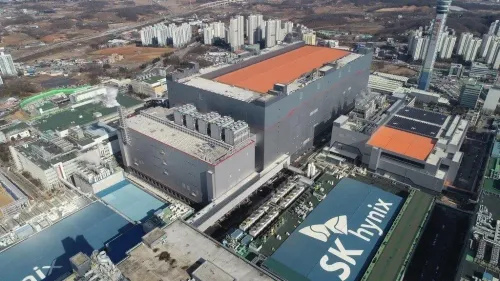
Notably, Samsung's rival SK hynix has been the dominant HBM3E supplier to Nvidia. The HBM4E shipment signals Samsung's intent to close that gap and potentially recapture share in the premium AI memory segment.
Market Reaction
South Korean equities rallied sharply on Friday, buoyed by a separate geopolitical development — reports that the United States and Iran had agreed to a 60-day extension of their ceasefire and resumed talks on Iran's nuclear programme. The benchmark Korea Composite Stock Price Index (KOSPI) had gained 190.76 points, or 2.33 percent, to 8,376.05 as of 11:20 am local time.
Samsung Electronics shares jumped 4.34 percent on the day, while rival SK hynix added 1.4 percent. Wall Street also closed at record highs overnight on the same ceasefire reports.
What Comes Next
With sample shipments now underway, the industry will watch closely for Samsung's mass-production timeline and qualification outcomes at major AI chip customers. A successful HBM4E ramp would mark a significant inflection point in Samsung's effort to reassert dominance in a market that has become central to the global AI hardware supply chain.
Point of View
Qualification cycles at hyperscalers are long and unforgiving. The real test is not sample shipment but whether Samsung secures volume slots at Nvidia's next GPU platform. Until that is confirmed, the leadership claim remains provisional.
NationPress
14 Oct 2026
Frequently Asked Questions
What is the Samsung HBM4E chip?
The HBM4E is a 12-layer high-bandwidth memory chip developed by Samsung Electronics, designed for next-generation AI workloads. It delivers up to 3.6 terabytes per second of bandwidth per stack and data transfer speeds of 16 gigabits per second per pin — more than 20% faster than its HBM4 predecessor.
Why is the HBM4E shipment significant?
It marks the world's first shipment of a next-generation HBM4E sample, extending Samsung's lead in AI memory after it became the first company to mass-produce HBM4 chips in February 2025. The chip is critical for powering large language models and advanced AI inference systems.
Who are Samsung's HBM customers?
Samsung's high-bandwidth memory customers include major AI and semiconductor companies — Nvidia, Advanced Micro Devices (AMD), and Google — all of which are central to global AI infrastructure buildout.
When will HBM4E mass production begin?
Samsung has said mass production of the HBM4E will commence in line with individual customer schedules following the current sample shipment phase. No specific date has been publicly announced.
How does HBM4E compare to HBM4?
The HBM4E is more than 20% faster than HBM4 in data transfer speed, reaching 16 Gbps per pin. It also offers higher bandwidth at 3.6 TB/s per stack, making it better suited for the compute demands of large-scale AI models.