SARAL AI turns research papers into videos, CSIR-NIScPR leads adoption
Synopsis
India's CSIR-NIScPR is turning dry academic papers into short videos using SARAL AI — an ANRF tool that could fundamentally change how publicly funded research reaches ordinary citizens. With over 90 researchers already trained and a government minister backing adoption, this is one of the more practical bets India has placed on AI in science communication.
Key Takeaways
CSIR-NIScPR has adopted SARAL AI , an ANRF initiative, to convert journal research into short accessible videos.
Shivkumar Kalyanaraman visited NIScPR and urged adoption of the tool to amplify Indian research impact.
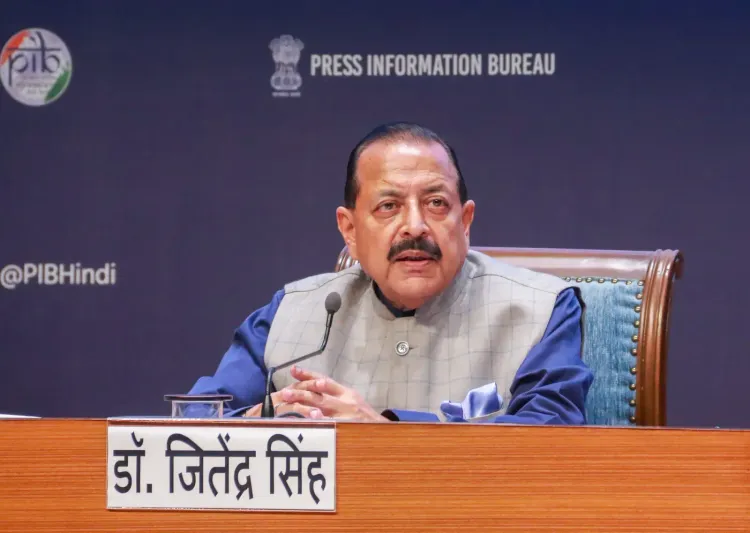
Minister of State Dr.
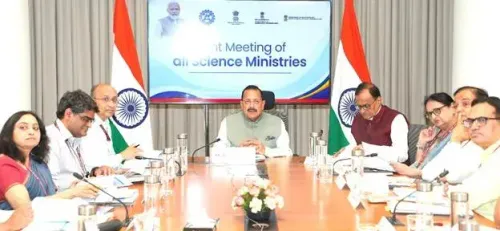
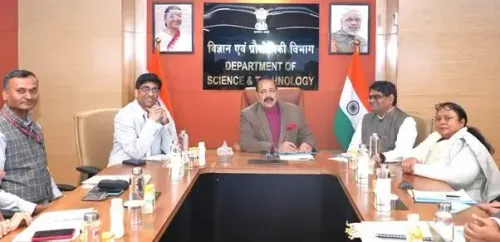
Jitendra Singh encouraged institutes to use SARAL AI; NIScPR has emerged as a leading adopter.
A hands-on workshop was held with more than 90 participants , including journal editors and researchers.
The initiative aligns with the government's policy push on emerging technology for science communication.
CSIR-National Institute of Science Communication and Policy Research (CSIR-NIScPR) has adopted SARAL AI, an initiative of the Anusandhan National Research Foundation (ANRF), to convert scientific research published in journals into short, accessible videos for students and the general public. The move was announced on Tuesday, 15 September 2026, and positions NIScPR as a frontrunner in technology-driven science communication in India.
What SARAL AI Does
SARAL AI is designed to bridge the gap between academic publishing and public understanding. The tool automatically generates short video summaries from research papers, enabling institutions to communicate complex findings in a format accessible to non-specialist audiences. According to an official statement, the initiative aligns with the government's emphasis on adopting emerging technologies for effective dissemination of science and research.
Key Push from ANRF and Government
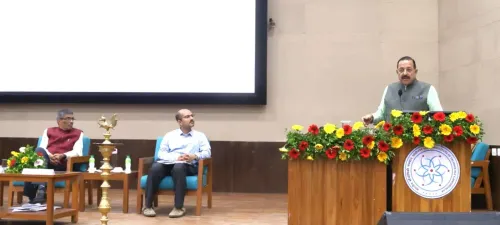
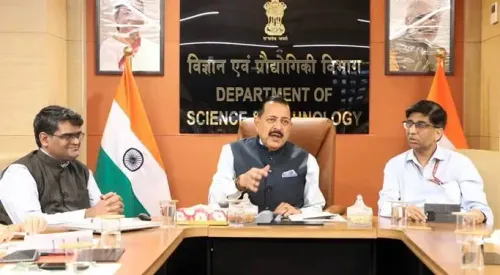
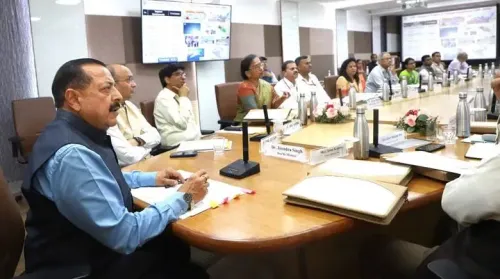
Dr. Shivkumar Kalyanaraman, CEO of ANRF, highlighted the tool's potential during a visit to NIScPR, urging the institute to explore SARAL AI as a means to simplify and amplify the reach of Indian research. 'Research should not stop with publication. Tools such as SARAL AI can help researchers and institutions take their work beyond papers, make it accessible to many more people, and amplify the impact of Indian research,' Kalyanaraman said. Minister of State for Science and Technology (Independent Charge), Dr Jitendra Singh, had earlier encouraged institutes to adopt SARAL AI, with NIScPR emerging as a leading organisation in its uptake.
Workshop and Institutional Response
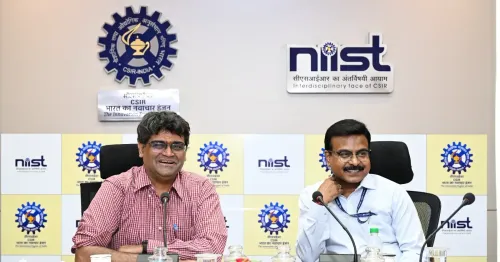
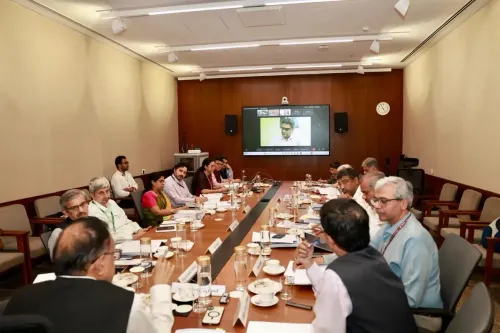
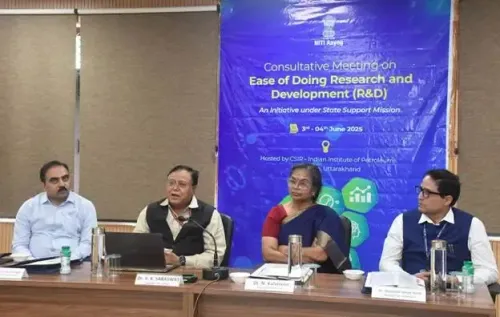
Under the leadership of Dr. Geetha Vani Rayasam, Director of CSIR-NIScPR, the institute organised a hands-on workshop on SARAL AI with participation from more than 90 participants, including journal editors and researchers. The institute has been actively exploring new-age technologies and digital platforms to expand the reach and impact of science communication.
Why This Matters
India's scientific output has grown significantly in recent years, but public awareness of research breakthroughs remains limited. The ANRF's push to promote wider dissemination of scientific knowledge through tools like SARAL AI represents a structural shift — moving science communication from peer-reviewed journals locked behind paywalls toward open, multimedia formats. Notably, this effort comes as the government intensifies focus on the National Research Foundation framework, which was established to strengthen the research ecosystem across universities and institutions.
As more journals and research institutes explore similar platforms, SARAL AI could set a precedent for how publicly funded science in India reaches the citizens it is meant to serve.
Point of View
But the real test is whether video summaries drive genuine public engagement or simply add a multimedia layer to research that still never reaches classrooms or communities. India produces a growing volume of scientific papers, yet science literacy among the general public remains low — a problem that short videos alone are unlikely to solve. The initiative's success will depend on distribution: whether these videos appear on platforms where young Indians actually spend time, not just on institutional websites. The ANRF would do well to track viewership and comprehension outcomes, not just the number of videos produced.
NationPress
15 Sept 2026
Frequently Asked Questions
Which institute is leading the adoption of SARAL AI?
CSIR-National Institute of Science Communication and Policy Research (CSIR-NIScPR) in New Delhi has emerged as a leading organisation in adopting SARAL AI, under the leadership of Director Dr. Geetha Vani Rayasam.
What did ANRF CEO Dr. Shivkumar Kalyanaraman say about SARAL AI?
During a visit to NIScPR, Dr. Kalyanaraman encouraged the institute to use SARAL AI to simplify research for the common public, stating that 'research should not stop with publication' and that such tools can amplify the impact of Indian research.
Has a training workshop been held for SARAL AI?
Yes, CSIR-NIScPR organised a hands-on workshop on SARAL AI with more than 90 participants, including journal editors and researchers, as part of its broader push to expand science communication using digital tools.
Why is the government promoting SARAL AI?
The government, through Minister of State for Science and Technology Dr. Jitendra Singh, is encouraging adoption of SARAL AI as part of its emphasis on using emerging technologies for effective science communication. The initiative aligns with the ANRF's broader goal of making publicly funded research accessible to society.