Arunachal Kiwi Mission: Scindia launches ₹167 crore value chain push
Synopsis
Arunachal Pradesh produces over 50 per cent of India's kiwi yet its farmers earn as little as ₹20 per kg — a gap the ₹167 crore Arunachal Kiwi Mission now aims to close. With cold-chain hubs, organic branding, and a harvest window that rivals New Zealand's off-season, the mission bets on turning a distress crop into a globally traded premium product by FY 2028.
Key Takeaways
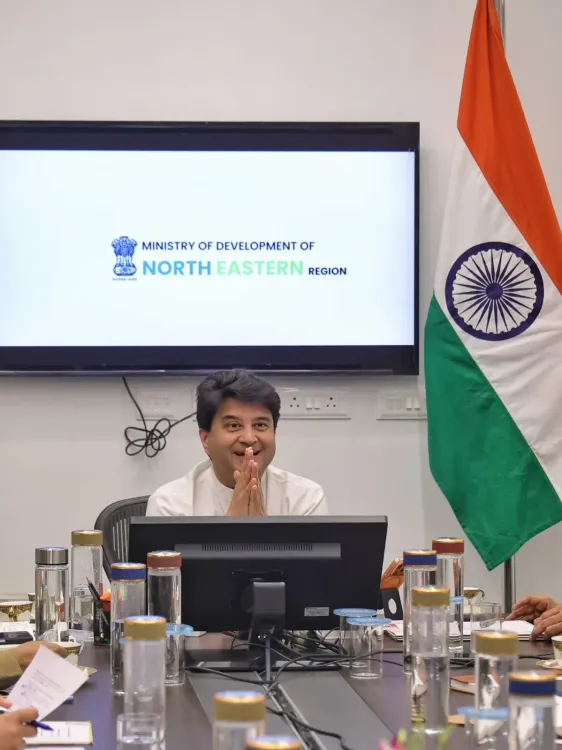
Jyotiraditya Scindia launched the ₹167 crore Arunachal Kiwi Mission in Itanagar on 20 May 2025 .
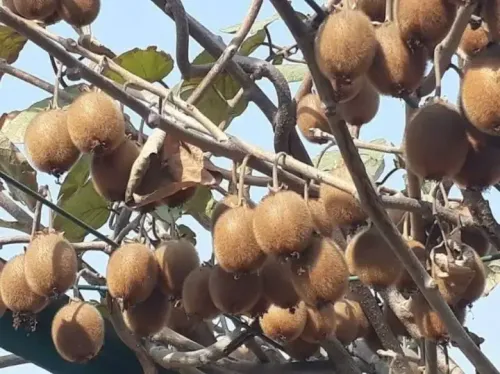
Arunachal Pradesh produces over 50 per cent of India's kiwi — more than 7,050 MT annually — yet farmers receive only ₹20–40 per kg for Grade C produce.
The mission establishes six Post-Harvest Management Hubs across Ziro Valley, Dirang, Kalaktang, Shi Yomi, and Dibang Valley.
Key targets include 2,000 MT cold-chain capacity , restoration of NPOP organic certification , and a 4–6x increase in farmer value realisation.
Arunachal Organic Kiwi is to be positioned in international export markets by FY 2028 , leveraging a November–January harvest window that coincides with New Zealand's off-season.
Chief Minister Pema Khandu noted Arunachal was the first state to receive organic kiwi certification under MOVCD-NER in 2020 .
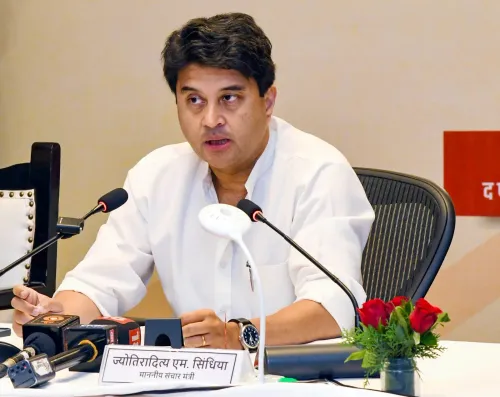
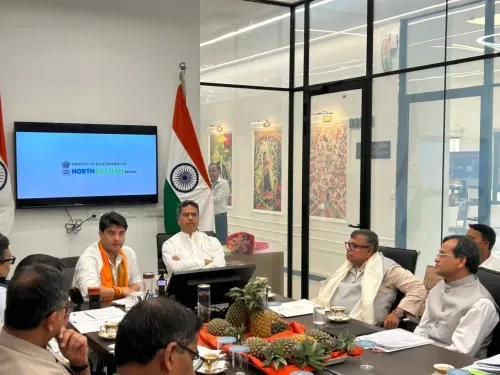
Union Minister for Development of North Eastern Region Jyotiraditya Scindia on Wednesday, 20 May launched the 'Arunachal Kiwi' Mission in Itanagar, a cluster-based kiwi cultivation and value chain development initiative backed by an outlay of approximately ₹167 crore. The mission aims to transform Arunachal Pradesh — India's largest kiwi-producing state — from a distress-selling region into a premium, traceable, single-origin organic kiwi economy with both domestic and international market presence.
What the Mission Covers
Formally titled 'Mission on Arunachal Kiwi: The USP of Arunachal Pradesh', the initiative adopts a convergence-led, whole-of-government approach anchored by the Ministry of Development of North Eastern Region (MDoNER). It draws together schemes from the Ministry of Agriculture and Farmers Welfare, the Ministry of Rural Development, the Ministry of Food Processing Industries, NABARD, ICAR-CITH, APEDA, NERAMAC, and committed private investors.
The mission identifies six integrated cluster-level Post-Harvest Management Hubs across Ziro Valley (Lower Subansiri), Dirang and Kalaktang (West Kameng), Shi Yomi, and Dibang Valley. Over 30 strategic interventions are planned to address critical gaps across the kiwi value chain.
The Farmer Income Problem It Seeks to Fix
Despite contributing over 50 per cent of India's kiwi production — more than 7,050 MT annually — Arunachal's farmers currently receive only ₹20–40 per kg for Grade C produce and around ₹120 per kg for Grade A, while imported kiwi commands significantly higher prices in Indian and global markets. A 7 to 10-day distress-sale window, caused by inadequate cold-chain infrastructure, compounds the problem.
The mission targets a four-to-six-fold increase in farmer value realisation, creation of 2,000 MT cold-chain capacity, restoration of Arunachal's lapsed NPOP organic certification, and positioning of Arunachal Organic Kiwi in international export markets by FY 2028. The initiative also seeks to strengthen Farmer Producer Organisations (FPOs) and reduce intermediary dependence.
Strategic Market Advantage
Scindia highlighted a natural competitive edge: Arunachal's November–January harvest window falls precisely within New Zealand's off-season, offering a unique opening in South-East Asian, Middle Eastern, and European markets. The mission plans to leverage this through branding campaigns, participation in international trade fairs, and QR-enabled traceability packs linked to individual farmers.
The initiative also envisions experiential agri-tourism — farm-stays and farm-to-fork tourism across Ziro Valley and Dirang — positioning Arunachal Pradesh as a niche destination for organic horticulture tourism.
Brand Northeast and the Broader Vision
Scindia situated the mission within a larger 'Brand Northeast' framework, under which each of the eight northeastern states has been assigned a distinct unique selling proposition. He cited Mizoram's ginger, Nagaland's coffee, Sikkim's organic farming, Manipur's polo heritage, Assam's muga silk, Meghalaya's Lakadong turmeric, and Tripura's Queen Pineapple as parallel initiatives already underway through High-Level Task Forces constituted with all eight states.
Arunachal Pradesh Chief Minister Pema Khandu called the launch 'a defining moment' in the state's agricultural and economic journey, noting that the state was the first in India to receive organic kiwi certification under MOVCD-NER in 2020 — a milestone the mission now seeks to convert into a structured pathway for farmer prosperity and global market integration.
With guidelines and institutional linkages already in place, the mission's real test will be whether its convergence model translates into measurable income gains for kiwi-farming households ahead of the FY 2028 export target.
Point of View
NABARD, ICAR, APEDA, and state agencies — holds in practice, not just on paper.
NationPress
26 Sept 2026
Frequently Asked Questions
What is the Arunachal Kiwi Mission launched by Scindia?
The Arunachal Kiwi Mission is a ₹167 crore cluster-based kiwi cultivation and value chain development initiative launched on 20 May 2025 by DoNER Minister Jyotiraditya Scindia. It aims to transform Arunachal Pradesh into a premium, traceable organic kiwi economy with domestic and international market presence by FY 2028.
Why do Arunachal kiwi farmers earn so little despite high production?
Arunachal Pradesh produces over 50 per cent of India's kiwi output but farmers are forced into distress sales within a 7 to 10-day window due to inadequate cold-chain and post-harvest infrastructure. This drives down prices to ₹20–40 per kg for Grade C produce, far below what imported kiwi commands in the same markets.
Which districts are covered under the Arunachal Kiwi Mission clusters?
The mission identifies six Post-Harvest Management Hubs across Ziro Valley in Lower Subansiri, Dirang and Kalaktang in West Kameng, Shi Yomi, and Dibang Valley. These clusters will anchor plantation development, processing, cold-chain, branding, and agri-tourism interventions.
When will Arunachal Organic Kiwi reach international export markets?
The mission targets positioning Arunachal Organic Kiwi in international export markets by FY 2028. It plans to leverage the state's November–January harvest window, which coincides with New Zealand's off-season, to access South-East Asian, Middle Eastern, and European buyers.
How does the Arunachal Kiwi Mission fit into the broader Brand Northeast initiative?
The mission is part of a 'Brand Northeast' framework under which each of the eight northeastern states has been assigned a distinct USP — including Mizoram's ginger, Nagaland's coffee, and Meghalaya's Lakadong turmeric. High-Level Task Forces constituted with all eight state governments are coordinating these parallel value chain initiatives.