CM Pema Khandu Pushes Kiwi as Arunachal's USP with DoNER

Synopsis
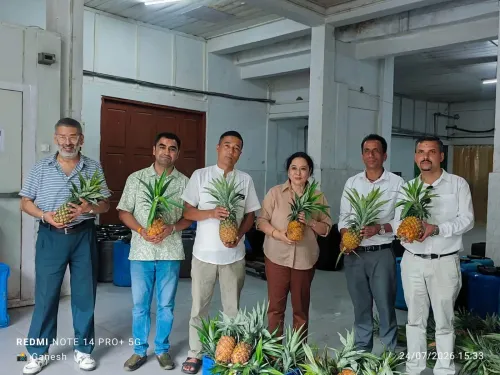
Arunachal Pradesh Chief Minister Pema Khandu has announced a joint initiative with the Ministry of DoNER to brand kiwi as the state's Unique Selling Proposition, noting that Arunachal contributes nearly 50% of India's total kiwi production and is the country's largest producer of the fruit.
Key Takeaways
Arunachal Pradesh produces nearly 50% of India's total kiwi output, making it the largest kiwi-producing state.
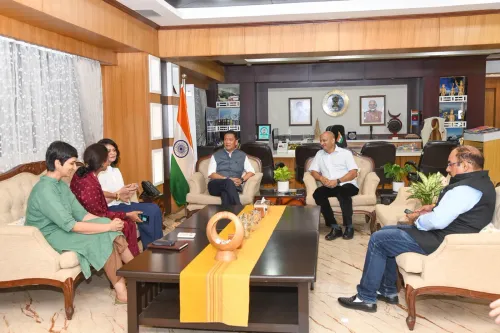
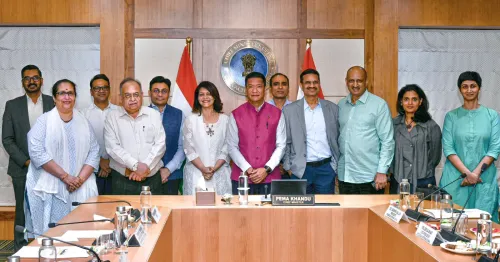
The state government and the Ministry of DoNER have launched a 'Kiwi as USP of Arunachal Pradesh' initiative.
The campaign builds on DoNER-funded horticulture and organic value-chain work in the North East since 2015 .
Kiwi cultivation is concentrated in hill districts including Lower Subansiri , West Siang and Upper Siang .
The push aims to lift farmer incomes through branding, market linkages and potential GI and processing tie-ups.
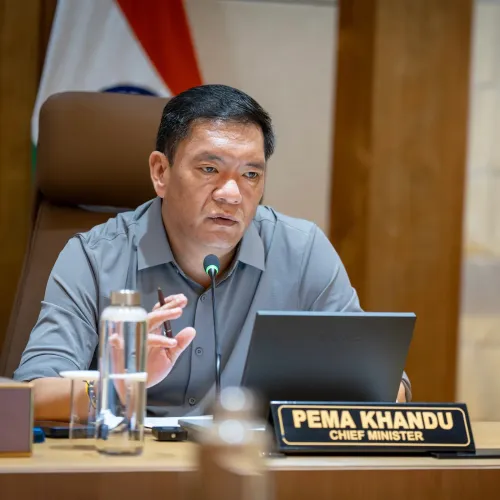
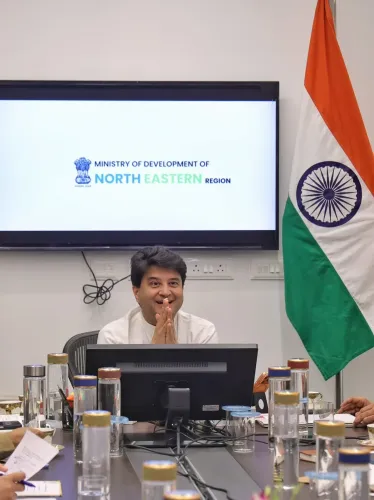
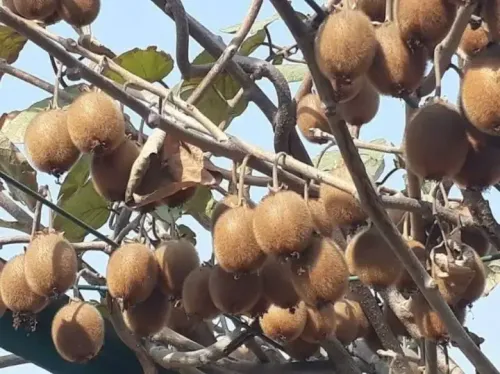
Arunachal Pradesh Chief Minister Pema Khandu on Tuesday highlighted the state's dominance in kiwi cultivation, announcing that the state government, in collaboration with the Ministry of Development of North Eastern Region (DoNER), has launched an initiative branding kiwi as the Unique Selling Proposition (USP) of Arunachal Pradesh. In a post on X, Khandu said the state contributes nearly 50% of India's total kiwi production, making it the country's largest producer of the fruit.
'Arunachal Pradesh is the largest kiwi-producing State in the country, contributing nearly 50% of India's total kiwi production,' the Chief Minister wrote, adding that the new collaboration aims 'to further strengthen this sector.' The announcement was tagged to the Ministry of DoNER's official handle, signalling joint central-state ownership of the branding push.
Context
Kiwi cultivation in Arunachal Pradesh is concentrated in districts such as Lower Subansiri, Kurung Kumey, West Siang and Upper Siang, where temperate hill conditions and well-drained soils suit the fruit. The state has steadily expanded acreage over the past decade as growers shift from low-yield traditional crops to higher-value horticulture.
The 'Kiwi as USP of Arunachal Pradesh' initiative positions the fruit as the state's flagship agricultural identity, akin to apples for Himachal Pradesh or oranges for Nagpur. Such single-product branding is increasingly used by Indian states to anchor marketing campaigns, processing investment and consumer recall in metropolitan markets.
Policy backdrop
The Ministry of DoNER has, since 2015, funded horticulture and organic value-chain projects across the eight North Eastern states under the Mission Organic Value Chain Development for North Eastern Region. Arunachal Pradesh's kiwi sector has been among the beneficiaries, with growers exploring organic certification to command premium prices in domestic and export markets.
The latest push complements parallel work on Geographical Indication (GI) tagging and market linkages that DoNER programmes have supported across the region. Branding kiwi as the state's USP is consistent with the broader policy arc of building niche horticultural identities for North Eastern states as a route to higher farmer incomes and deeper integration with national value chains.
Stakeholders and impact
The immediate stakeholders are kiwi growers across Arunachal's hill districts, most of them small and marginal farmers cultivating on terraced plots. A sharper brand identity could translate into stronger procurement networks, better farmgate prices and improved access to organised retail and processing units.
Aggregators, cold-chain operators and packaging firms in the wider North Eastern horticulture ecosystem also stand to gain if the campaign attracts fresh investment in post-harvest infrastructure. The state's tourism and food-processing sectors are likely to be woven into the messaging, given the cross-promotional potential.
What's next
Specific rollout details of the initiative — including any new subsidies, processing infrastructure, export promotion measures or branding tie-ups — are expected to be unveiled by the state government in the coming weeks. Industry watchers will be tracking whether the campaign is paired with fresh GI applications, cold-storage capacity additions or aggregator support to ensure that the branding translates into measurable income gains for growers.
If executed at scale, the kiwi USP push could become a template for other North Eastern states seeking to convert agro-climatic niches into nationally recognised farm brands, deepening the region's economic integration with the rest of India.
Point of View
The Khandu government is borrowing a playbook used successfully by Himachal with apples and Nagaland with the king chilli. The real test will be whether branding is matched by post-harvest infrastructure, certification and aggregator networks — without which single-crop campaigns tend to plateau. Watch for the DoNER funding envelope and any GI follow-up to gauge seriousness.
NationPress
16 Oct 2026
Frequently Asked Questions
How much kiwi does Arunachal Pradesh produce in India?
Arunachal Pradesh contributes nearly 50% of India's total kiwi production, making it the country's largest kiwi-producing state, according to Chief Minister Pema Khandu.
What is the Kiwi as USP of Arunachal Pradesh initiative?
It is a joint initiative by the Arunachal Pradesh government and the Ministry of DoNER to brand kiwi as the state's distinctive agricultural identity and strengthen the kiwi value chain.
Which districts in Arunachal Pradesh grow kiwi?
Kiwi is cultivated mainly in hill districts such as Lower Subansiri, Kurung Kumey, West Siang and Upper Siang, where temperate conditions suit the fruit.
What does the Ministry of DoNER do?
The Ministry of Development of North Eastern Region funds and coordinates economic development initiatives, including horticulture and organic value-chain projects, across India's eight North Eastern states.
Why is Arunachal Pradesh promoting kiwi as its USP?
The state is positioning kiwi as its flagship farm product to boost grower incomes, attract processing investment and build national brand recall, similar to how Himachal Pradesh is identified with apples.