SEBI issues NSE IPO observations, awaits bankers' reply on draft papers
Synopsis
SEBI has formally flagged observations on NSE's long-delayed IPO draft papers, putting the onus on the exchange's bankers to respond before the regulator clears the path. With a ₹5 lakh crore unlisted valuation and a ₹1,491.21 crore regulatory settlement already in place, India's largest stock exchange is closer to a public listing than it has been in nearly a decade.
Key Takeaways
SEBI has issued observations on NSE 's IPO draft papers and is awaiting a reply from lead managers.
NSE filed its DRHP in June for an OFS of up to 148.9 million shares at a face value of Re 1 each, representing about 6% of paid-up capital.
The issue has no fresh issue component — all proceeds go to selling shareholders.
SEBI in-principle agreed to settle NSE's co-location and dark fibre cases for ₹1,491.21 crore last month.
NSE is valued at approximately ₹5 lakh crore in the unlisted market.
NSE is reportedly exploring the 'Permitted to Trade' (PTT) route to allow its shares to trade on NSE while listed on BSE .
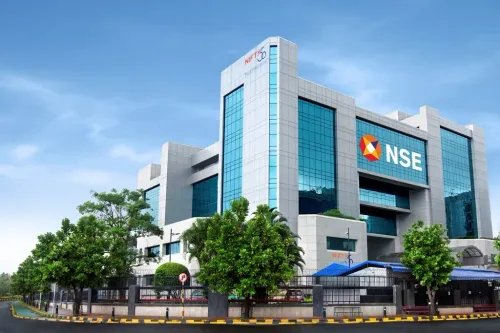
The Securities and Exchange Board of India (SEBI) has issued formal observations on the National Stock Exchange (NSE)'s draft initial public offering (IPO) papers and is awaiting a response from the exchange's lead managers before taking a final view, according to reports. The development marks a significant procedural step in an IPO process that has been stalled for nearly a decade.
Where the Process Stands
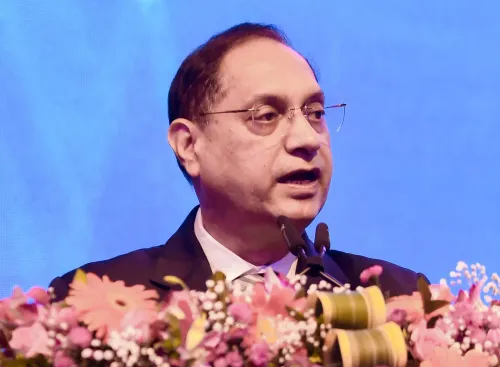
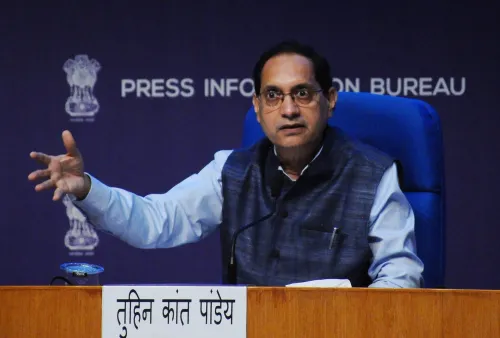
According to an analysis by Business Line, SEBI's observations have been communicated to NSE and its appointed merchant bankers, who are now expected to respond before the regulator reaches a conclusive decision. This comes a day after SEBI Chairman Tuhin Kanta Pandey publicly signalled that the regulator was close to approving NSE's draft papers — the clearest indication yet of forward movement.
Key Details of the NSE IPO
NSE filed its draft red herring prospectus (DRHP) with SEBI in June for an offer-for-sale (OFS) of up to 148.9 million equity shares with a face value of Re 1 each. The proposed share sale represents approximately 6% of the exchange's paid-up capital. Notably, the issue carries no fresh issue component — all proceeds will flow entirely to the selling shareholders, not to NSE itself.
Years of Regulatory Hurdles
NSE's listing ambitions have been repeatedly delayed due to regulatory concerns, chiefly centred on the co-location and dark fibre cases. The proposal regained momentum earlier this year after the exchange received a no-objection certificate from SEBI, following which its board formally approved the IPO plan. Last month, SEBI in-principle agreed to settle applications filed by NSE in both the co-location and dark fibre matters for ₹1,491.21 crore.
Valuation and Listing Route
NSE is currently estimated to be valued at around ₹5 lakh crore in the unlisted market, according to reports. Separately, the exchange is reportedly exploring the 'Permitted to Trade' (PTT) route, which would allow its shares to be traded on NSE itself while remaining formally listed on the Bombay Stock Exchange (BSE). This structural arrangement, if adopted, would be closely watched by market participants given its novelty.
What Comes Next
The ball is now in NSE's court and that of its lead managers to address SEBI's observations. Once those responses are received, the regulator will take a final view on the draft papers. Any further clarity from SEBI or NSE is expected to set a clearer timeline for one of India's most anticipated market listings.
Point of View
But the timing matters: the Chairman had just signalled near-approval, making this a calibration, not a roadblock. The more structurally interesting detail is the PTT route — if NSE lists on BSE while trading on its own platform, it sets a precedent with no clear parallel in Indian market history. The ₹5 lakh crore unlisted valuation also deserves scrutiny; with no fresh issue component, retail investors will be buying into a pure exit by existing shareholders, not a growth capital story. That framing is often underplayed in IPO coverage.
NationPress
31 Aug 2026
Frequently Asked Questions
What observations has SEBI issued on NSE's IPO?
SEBI has issued formal observations on NSE's draft IPO papers and is awaiting a response from the exchange's lead managers before taking a final decision. The specific nature of the observations has not been publicly disclosed.
What is the structure of the NSE IPO?
The NSE IPO is structured entirely as an offer-for-sale (OFS) of up to 148.9 million equity shares with a face value of Re 1 each, representing about 6% of the exchange's paid-up capital. There is no fresh issue component, meaning all proceeds will go to the selling shareholders.
Why has NSE's IPO been delayed for so long?
NSE's listing plans were held up for years due to regulatory concerns, primarily related to the co-location and dark fibre cases. Progress resumed after NSE received a no-objection certificate from SEBI and the regulator in-principle agreed to settle those cases for ₹1,491.21 crore.
What is NSE's current estimated valuation?
NSE is currently estimated to be valued at around ₹5 lakh crore in the unlisted market, according to reports. This makes it one of the most valuable unlisted entities in India.
What is the 'Permitted to Trade' route NSE is exploring?
The 'Permitted to Trade' (PTT) route would allow NSE's shares to be traded on the NSE platform while the exchange remains formally listed on the BSE. This arrangement, if adopted, would be a novel structural precedent in Indian capital markets.