Why Did Sensex and Nifty Decline Amid Global Uncertainties?
Synopsis
The Indian equity markets have hit a rough patch, facing a decline for five consecutive days. With concerns over foreign outflows and trade uncertainties, investors are on edge. Market analysts remain cautiously optimistic, eyeing strong domestic GDP growth and potential recovery indicators in upcoming Q3 results.
Key Takeaways
Sensex lost 605 points , closing at 83,576.
Nifty fell by 193.5 points , finishing at 25,683.
Investor caution due to upcoming US tariffs ruling.
Nifty Realty sector down by 2.12 percent .
Domestic GDP growth expected to remain robust.
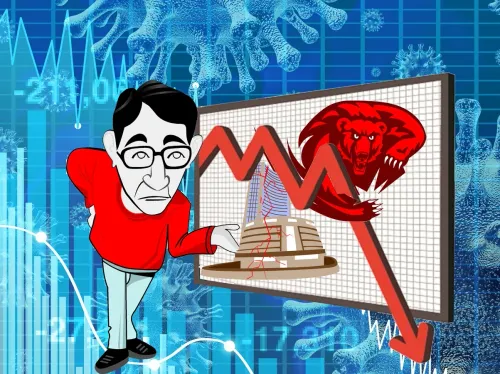
Mumbai, Jan 9 (NationPress) The Indian stock markets faced a downturn for the fifth straight day on Friday, impacted by ongoing foreign outflows and rising uncertainties concerning the trade agreement between India and the US, alongside new tariff threats.
At the end of trading, the Sensex decreased by 605 points, or 0.72 percent, closing at 83,576. The Nifty also fell by 193.5 points, or 0.75 percent, finishing at 25,683.
Investor sentiment remained cautious with the upcoming US Supreme Court decision regarding the legality of US tariffs and domestic inflation data for December, which is set to be released on Monday.
The benchmark indices hit their lowest point in over two months, with the Nifty trading below the psychological threshold of 25,700. It opened at 25,840, reached an intraday high of 25,940, but faced profit booking, subsequently dropping to an intraday low of 25,648.
Market dynamics were also influenced by President Donald Trump's approval of a sanctions bill that could impose 500 percent tariffs on nations purchasing Russian oil.
Among the major gainers on the Nifty were ONGC and Bharat Electronics.
Sectorally, Nifty Realty was the largest loser, declining by 2.12 percent. All indices except IT, PSU Bank, and Oil and Gas closed in the red, with Auto down 1.11 percent and FMCG and consumer durables down 1.17 percent.
The broader markets mirrored the benchmark indices, with the Nifty Midcap 100 index dropping 0.69 percent, and the NSE Smallcap 100 losing 0.79 percent.
Analysts suggest that the market will continue to trade within a range with a mixed outlook despite increased geopolitical tensions. Domestic GDP growth is expected to remain robust, and Q3 results might indicate a recovery led by midcaps, which could stabilize investor sentiment, they added.
Meanwhile, the rupee depreciated by 22 paise to 90.11 against the dollar, influenced by weakness in local equity markets and ongoing FII selling.
aar/na
Point of View
I observe the current decline in the Indian equity markets as a critical moment for investors. The ongoing uncertainties, particularly around foreign outflows and geopolitical tensions, warrant caution. However, the underlying strength of domestic GDP growth suggests a possible stabilization in the near future. Investors should remain vigilant and informed amidst these fluctuations.
NationPress
19 Sept 2026
Frequently Asked Questions
What caused the decline in Sensex and Nifty?
The decline is primarily due to sustained foreign outflows and uncertainties regarding the trade deal between India and the US, exacerbated by new tariff threats.
How much did Sensex and Nifty drop?
The Sensex fell by 605 points, or 0.72 percent, while the Nifty decreased by 193.5 points, or 0.75 percent.
What is the current sentiment among investors?
Investors are cautious due to upcoming US Supreme Court rulings on tariffs and domestic inflation data, leading to profit booking.
Which sectors were most affected?
The Nifty Realty sector was the largest loser, down 2.12 percent, while auto and consumer durables also saw declines.
What does the future hold for the Indian market?
Analysts predict that despite current geopolitical headwinds, domestic GDP growth remains strong, potentially leading to a recovery in the market.