Indian Markets Tumble: Sensex and Nifty Drop 2% Amid Middle East Unrest
Synopsis
In a turbulent trading session on Friday, Indian equity markets saw a significant decline driven by rising tensions in the Middle East. The Nifty and Sensex fell sharply, reflecting investor concerns over energy supply disruptions and escalating geopolitical conflicts.
Key Takeaways
Indian stock markets fell sharply due to Middle East tensions.
The Nifty dropped by 2.06%, while the Sensex fell by 1.93%.
Investor caution is rising amid geopolitical concerns.
Only two stocks remained positive on the Sensex.
Increased market volatility was noted, with the India VIX rising significantly.
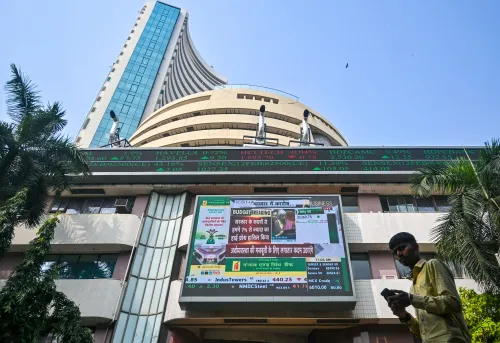
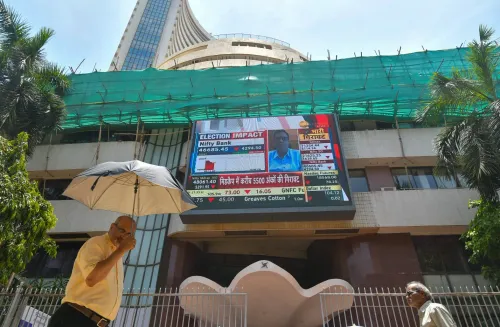
Mumbai, March 13 (NationPress) The Indian stock markets faced a significant downturn on Friday, with escalating tensions in the Middle East negatively impacting investor confidence and resulting in widespread selling across various sectors.
The benchmark indices, Nifty and Sensex, closed substantially lower as fears surrounding the ongoing US-Iran conflict heightened concerns over potential gas supply shortages and rising energy prices.
The Nifty index fell by 488.05 points, representing a decline of 2.06 percent, closing at 23,151.10. Meanwhile, the Sensex experienced a drop of 1,470.50 points, or 1.93 percent, to end at 74,563.92.
According to an analyst, "The immediate support level is now at 23,100, which has developed into a minor demand zone during the day."
On the resistance front, the expert noted that the 23,450–23,500 range has become an immediate resistance area, coinciding with previous breakdown levels.
Only two stocks, Bharti Airtel and Hindustan Unilever, managed to remain in positive territory on the Sensex.
Among the biggest losers on the Sensex were L&T, Tata Steel, SBI, Maruti Suzuki India, and Axis Bank.
The session also witnessed increased market volatility, with the India VIX—often called the market's fear gauge—surging by 6.32 percent to 22.88 during the day and ultimately settling at 22.65, which is 5.23 percent higher.
The broader market performance reflected the weakness in the benchmark indices, with the Nifty Midcap 100 closing 2.62 percent lower, while the Nifty Smallcap 100 fell by 2.52 percent.
Sector-wise, metal stocks were severely impacted, leading to a decline of approximately 5 percent in the Nifty Metal index.
Furthermore, the Nifty PSU Bank and Nifty Media indices also lagged behind the broader market.
Experts suggest that the notable drop across indices signals increasing caution among investors due to global geopolitical tensions and worries about their potential repercussions on energy supplies and economic stability.
The Indian rupee also weakened for the second consecutive week, hitting a new record low as geopolitical anxieties affected the local currency.
An analyst mentioned, "The Spot USDINR maintains a bullish trend, with immediate resistance expected between 92.50 and 92.70, while support stands at 92.05."
Point of View
Marked by significant drops in the Sensex and Nifty, underscores the pervasive influence of global geopolitical tensions on local investor sentiment. It is crucial for investors to remain vigilant and responsive to these external factors that can dramatically impact market stability.
NationPress
19 Sept 2026
Frequently Asked Questions
What caused the recent decline in the Indian stock market?
The decline was largely driven by escalating tensions in the Middle East, particularly concerns regarding the US-Iran conflict, which raised fears of gas supply shortages and increased energy prices.
What were the closing figures for Sensex and Nifty?
The Nifty closed at 23,151.10, down by 2.06%, while the Sensex ended at 74,563.92, down by 1.93%.
Which stocks performed well despite the market drop?
Only Bharti Airtel and Hindustan Unilever managed to stay in positive territory on the Sensex.
What is the India VIX and how did it perform?
The India VIX, a measure of market volatility, increased by 6.32% during the session, indicating heightened uncertainty among investors.
How is the Indian rupee affected by geopolitical tensions?
The Indian rupee weakened for the second consecutive week, reaching a record low due to concerns over geopolitical issues impacting the local currency.