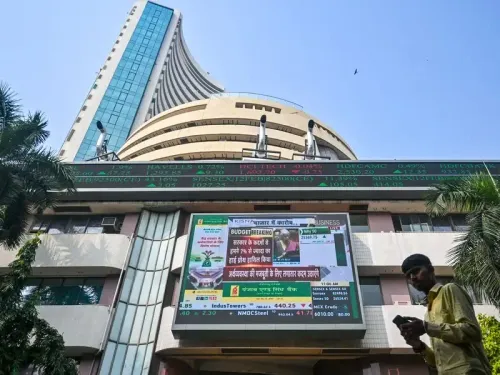
Sensex rises 368 points as Trump signals Iran nuclear deal, IT stocks surge 4%

Synopsis
Indian equities jumped on Tuesday as Trump's signal of a possible Iran nuclear deal sent oil prices tumbling and IT stocks surging 4%. With the Strait of Hormuz crisis potentially easing, markets are betting on a faster economic recovery — but persistent inflation, currency pressure, and an ongoing energy shock mean the rally rests on fragile ground.
Key Takeaways
Sensex rose 368 points to an intraday high of 75,683 on 19 May ; Nifty50 advanced 110 points to 23,758 .
Nifty IT index surged 4% ; Nifty MidSmall IT & Telecom gained nearly 3% .
US President Donald Trump paused a planned strike on Iran , citing a peace proposal and a 'very good chance' of a nuclear deal.
Brent crude fell 2.74% to $109.02/barrel ; WTI crude dropped 2.16% to $102.12/barrel .
Hindalco , Coal India , and ONGC were among the top Nifty decliners.
Analysts flagged ongoing risks from inflation, currency depreciation, and the energy crisis despite the session's gains.
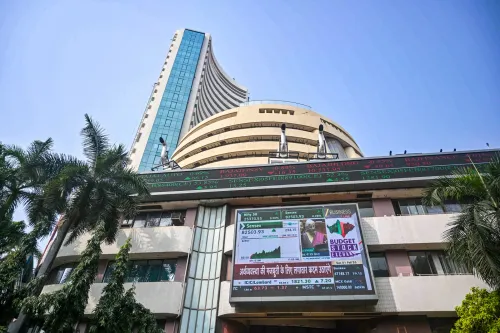
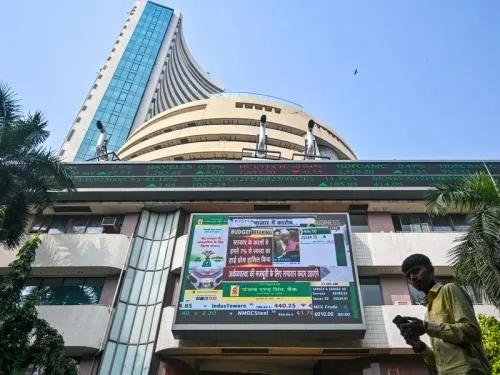
BSE Sensex climbed as much as 368 points or 0.48% to an intraday high of 75,683 on Tuesday, 19 May, while the Nifty50 advanced 110 points or 0.45% to 23,758 in early trade. The rally was driven by hopes of a de-escalation in the West Asia conflict after US President Donald Trump signalled a possible nuclear deal with Iran, easing fears around energy supply disruptions.
IT Stocks Lead the Charge
Technology shares emerged as the session's standout performers. The Nifty IT index surged 4%, while the Nifty MidSmall IT & Telecom index advanced nearly 3%. The Nifty Chemicals index also gained 1.16%. Analysts attributed part of the IT rally to a rotation trade — concerns over elevated valuations in global AI-linked stocks are reportedly prompting investors to seek relatively attractive segments within India.
Laggards and Key Decliners
Hindalco Industries declined the most among Nifty constituents, falling over 1%, followed by Coal India down 0.93% and ONGC lower by 0.81%. Titan Company shed around 0.6%, while Kotak Mahindra Bank and Eternal slipped 0.54% and 0.49%, respectively. JSW Steel, UltraTech Cement, and Shriram Finance were also trading lower by up to 0.47%. Heavyweights HDFC Bank and ICICI Bank slipped marginally. The Nifty Private Bank index dipped 0.11%, with Nifty Auto and Nifty Metal also trading in the red.
The Iran Factor and Oil Prices
Markets found a key support pillar after President Trump said he had paused a planned strike on Iran following a peace proposal from Tehran, adding there was a 'very good chance' of reaching a deal on Iran's nuclear programme. The development sent oil prices lower: international benchmark Brent crude fell 2.74% to $109.02 per barrel, while US WTI crude declined 2.16% to $102.12 per barrel. Lower crude is a meaningful tailwind for India, a major oil importer, easing both inflation and the current account deficit.
Broader Macro Concerns Persist
Despite the session's gains, analysts cautioned that headwinds around growth, inflation, and currency depreciation remain, compounded by the ongoing energy crisis. They advised investors to favour sectors relatively insulated from these pressures — including pharmaceuticals, power-related companies, and defence stocks. On corporate earnings, analysts noted that Q4 results were broadly encouraging and, in many cases, better than expected, suggesting the economy had begun recovering on the back of last year's fiscal and monetary stimulus before the latest energy shock hit. According to market experts, 'a quick resolution of the Strait of Hormuz crisis could help the economy recover faster and limit the extent of the slowdown expected this year.'
Asian and US Market Backdrop
The global picture was mixed. In Asia, Japan's Nikkei and South Korea's KOSPI slipped up to 3%, while Hong Kong's Hang Seng traded marginally higher. Overnight on Wall Street, the S&P 500 ended nearly flat, down 0.07%, while the Nasdaq declined 0.51%. If foreign institutional investor buying gathers momentum, market experts suggest large-cap financials — particularly leading banks — are positioned to outperform, given their reasonable valuations and growth potential.
Point of View
Not a treaty — crude at $109 a barrel remains a structural drag on India's import bill and fiscal arithmetic. The IT surge is partly a rotation out of overvalued global AI plays, which means it could reverse just as quickly if US tech sentiment shifts. The real test for this market is whether the Strait of Hormuz situation resolves durably; without that, the energy shock continues to erode the Q4 earnings recovery that analysts are now cautiously celebrating.
NationPress
27 Sept 2026
Frequently Asked Questions
Why did the Sensex rise on 19 May 2025?
The Sensex rose 368 points to an intraday high of 75,683 on 19 May after US President Donald Trump signalled a possible nuclear deal with Iran, easing fears of a prolonged West Asia conflict and sending oil prices lower. The prospect of de-escalation improved global risk sentiment and boosted Indian equities, particularly IT stocks.
Which sectors gained the most in Tuesday's session?
IT stocks led gains, with the Nifty IT index surging 4% and the Nifty MidSmall IT & Telecom index advancing nearly 3%. The Nifty Chemicals index also rose 1.16%, while private banks, auto, and metals were among the laggards.
What did Trump say about Iran that moved markets?
President Trump said he had paused a planned attack on Iran after receiving a peace proposal from Tehran, and that there was a 'very good chance' of reaching a deal on Iran's nuclear programme. The statement eased fears of a military escalation that could have further disrupted energy supplies through the Strait of Hormuz.
How did oil prices react to the Iran news?
Oil prices fell sharply: Brent crude declined 2.74% to $109.02 per barrel and US WTI crude dropped 2.16% to $102.12 per barrel. Lower crude prices are a positive for India, which is a major oil importer, as they ease inflation and the current account deficit.
What are analysts recommending amid the ongoing energy crisis?
Analysts are advising investors to focus on sectors relatively insulated from energy and macro headwinds, including pharmaceuticals, power-related companies, and defence stocks. They also noted that if FII buying picks up, large-cap financials such as leading banks could outperform given their reasonable valuations.