CM Sai Pitches Chhattisgarh for Global Tourism Map
Synopsis
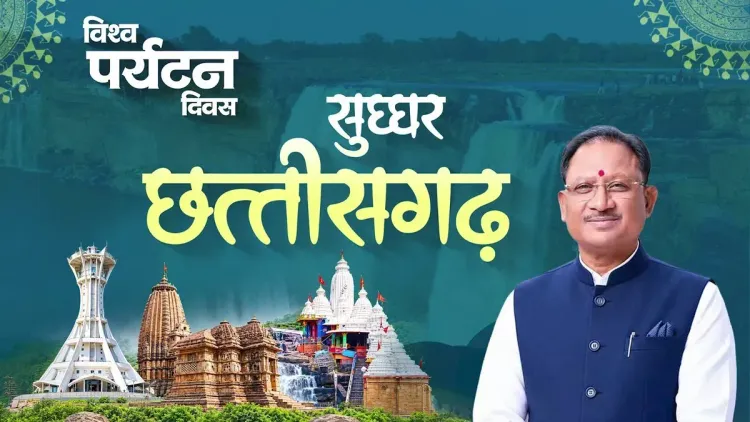
Chief Minister Vishnu Deo Sai declared on 27 September 2026 that Chhattisgarh's natural beauty, rich culture and heritage are reaching global audiences, framing tourism growth as a direct creator of local entrepreneurship and employment.
Key Takeaways
Chief Minister Vishnu Deo Sai posted on 27 September 2026 promoting Chhattisgarh as an emerging global tourism destination.
He linked rising tourist opportunities directly to entrepreneurship and employment for local communities.
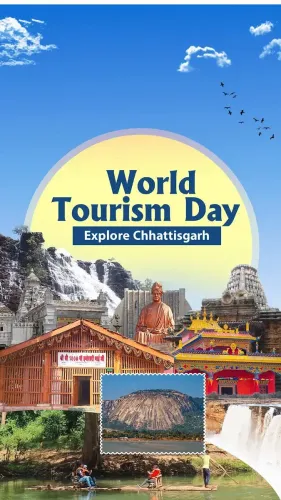
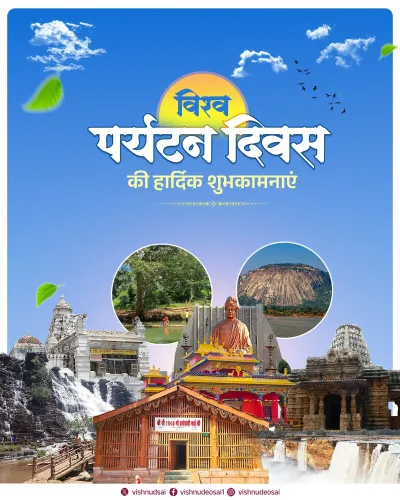
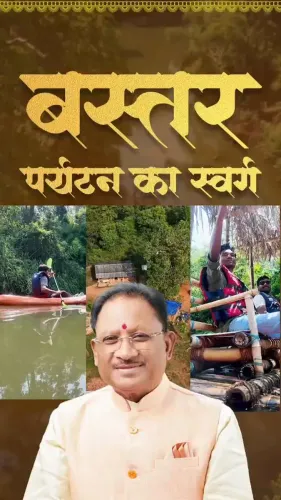
The state's pitch rests on three pillars: natural beauty, rich culture, and glorious heritage — including forests, waterfalls, ancient temples, and tribal traditions.
Tourism is framed as a tool to give Chhattisgarh's economy new energy and reduce dependence on extractive industries.
The messaging mirrors a broader pattern of central Indian states branding tribal and natural assets to attract domestic and international visitors.
Concrete follow-up — budget allocations, tourism circuit infrastructure — will determine whether the vision translates into impact.
Chhattisgarh's forests, tribal heritage, and ancient temples are no longer just a state secret — Chief Minister Vishnu Deo Sai wants the world to know about them. On Sunday, 27 September 2026, the BJP leader posted a pointed message on X, declaring that the state's identity is now reaching beyond its borders to the rest of India and the world.
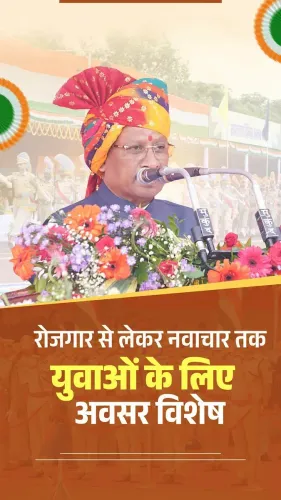
In the post, written in Hindi, CM Sai stated: 'Chhattisgarh ki pahchaan ab pradesh ki seemaaon se aage desh-duniya tak pahunch rahi hai' — 'Chhattisgarh's identity is now reaching beyond the state's borders to the country and the world.' He framed tourism not merely as a cultural showcase but as an economic engine, arguing that growing tourist footfall opens 'new avenues of entrepreneurship and employment for local people.'
Nature, Culture, and the Economic Case for Tourism
The Chief Minister's push taps into one of Chhattisgarh's most underutilised assets. The state sits at the heart of central India, home to dense Bastar forests, the waterfalls of Chitrakote, ancient temples of the Sirpur circuit, and one of the subcontinent's largest concentrations of tribal communities with living craft and ritual traditions. Yet for decades, conflict, infrastructure gaps, and limited marketing kept it off mainstream tourism itineraries.
Sai's framing is deliberately economic: tourism growth, he argued, will give the state's economy 'new energy' and secure Chhattisgarh 'a new identity on the global tourism map.' The link between visitor numbers and local livelihoods — through homestays, guides, artisans, and food vendors — is a well-worn argument across Indian states, but it carries particular weight in a state where a large share of the population depends on forest-based and agrarian income.
A Familiar Playbook, A State Still Finding Its Footing
Indian states from Madhya Pradesh to Odisha to Telangana have run comparable campaigns — branding natural and tribal heritage to attract domestic and international visitors and diversify away from resource extraction. Chhattisgarh, which sits on some of India's richest mineral and coal belts, has historically leaned heavily on that extractive base. Tourism represents a deliberate pivot toward a sector that, when managed well, can distribute income more broadly.
The signal from the Chief Minister's office now is directional: expect follow-through to be measured in state budget allocations for tourism circuits, road and hospitality infrastructure, and international promotion events. The rhetoric has been set; the infrastructure investment is the next test.
If Sai can match the ambition in this post with rupees on the ground, Chhattisgarh may yet earn the global bookmark he is describing.
Point of View
Long defined by its mineral wealth and Maoist-conflict legacy, is being rebranded as a cultural and natural tourism destination. The framing — connecting global visibility to grassroots employment — gives the message both an international pitch and a domestic political resonance, appealing to tribal and rural constituencies who stand to gain from tourism's income spillovers. It fits a wider BJP-governed-state pattern of using heritage tourism as both soft power and a diversification strategy. The real test will come in budget sessions: rhetoric without infrastructure spend rarely moves tourist footfall.
NationPress
27 Sept 2026
Frequently Asked Questions
What did Chhattisgarh CM Vishnu Deo Sai say about tourism on 27 September 2026?
CM Sai said Chhattisgarh's identity is reaching beyond its borders to the world, and that growing tourism opportunities are opening new avenues of entrepreneurship and employment for local people while placing the state on the global tourism map.
What are Chhattisgarh's main tourism attractions?
Chhattisgarh's key draws include the Bastar forests, Chitrakote waterfalls, the Sirpur ancient temple circuit, and one of India's richest concentrations of tribal communities with living craft and cultural traditions.
How does tourism benefit local communities in Chhattisgarh?
Tourism creates income opportunities through homestays, local guiding, artisanal crafts, and food businesses — distributing economic gains more broadly than extractive industries like mining.
Is Chhattisgarh on India's major tourism map?
Not yet at the mainstream level — infrastructure gaps and a history of conflict limited its profile. CM Sai's push signals a policy intention to change that through promotion and investment in tourism circuits.
What should we watch for after CM Sai's tourism push?
Look for state budget allocations targeting tourism infrastructure, new hospitality capacity along forest and heritage circuits, and participation in national or international tourism promotion events.