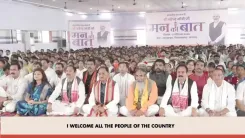
CM Sawant Tunes Into Mann Ki Baat 138, Links Nasha Mukt Drive to Goa
Synopsis
On World Tourism Day, Goa CM Pramod Sawant echoed PM Modi's 138th Mann Ki Baat themes — Nasha Mukt Bharat, Jan Bhagidari, and the Ganesha Himal Museum in Thailand — framing them as a blueprint for Goa's cultural and tourism ambitions under the Viksit Bharat vision.
Key Takeaways
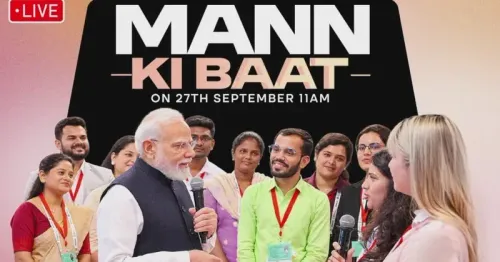
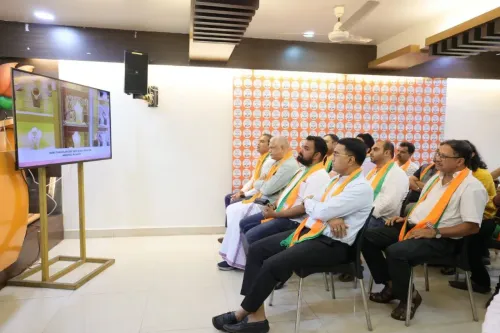
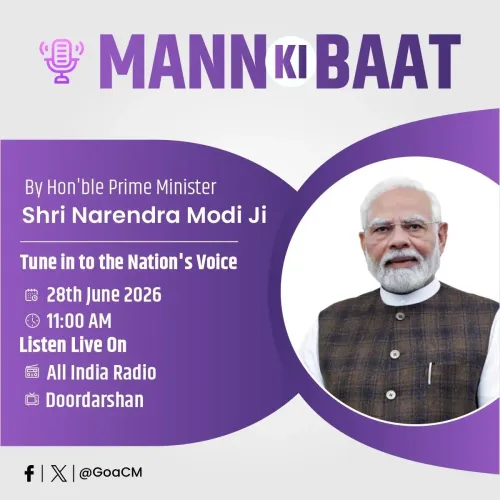
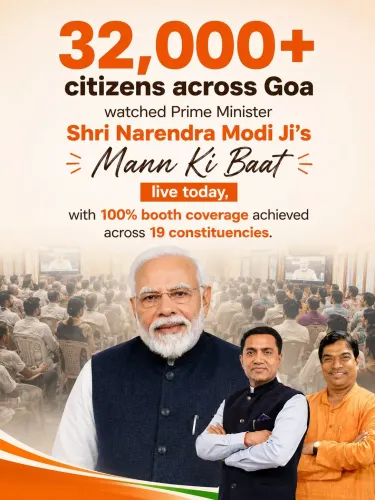
CM Pramod Sawant publicly tuned into the 138th episode of Mann Ki Baat on 27 September 2026 , World Tourism Day.
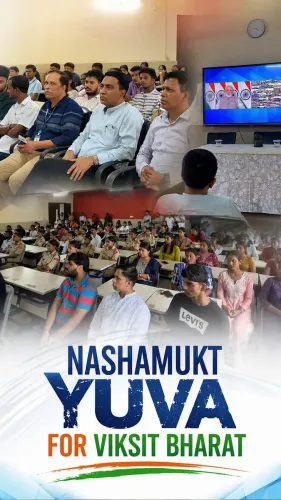
PM Modi used the episode to promote Jan Bhagidari and the Nasha Mukt Bharat Abhiyan , urging citizens to support youth battling addiction.
Nasha Mukt Bharat Abhiyan was launched in 2020 by the Ministry of Social Justice and Empowerment to combat substance abuse across India.
Modi highlighted the Ganesha Himal Museum in Chiang Mai, Thailand as an example of India's cultural and Ashtavinayak traditions reaching global devotees.
Sawant connected these national messages to Goa's unique position as India's most internationally recognised heritage and tourism destination.
The post anchors Goa's tourism identity within the Viksit Bharat 2047 framework of participatory development and cultural diplomacy.
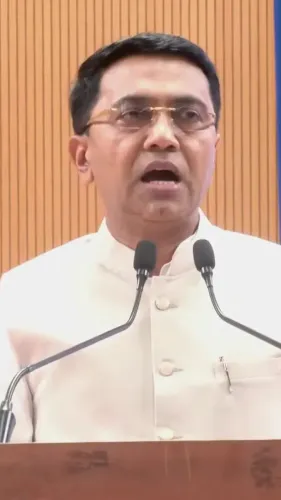
On World Tourism Day, 27 September 2026, Goa Chief Minister Pramod Sawant tuned into the 138th episode of Mann Ki Baat and drew a direct line from Prime Minister Narendra Modi's national messages to Goa's own cultural and tourism identity — weaving together anti-drug outreach, citizen participation, and India's soft-power reach abroad into a single, forward-looking frame.
What Modi Said — and Why Sawant Is Listening Closely
In the episode, PM Modi spotlighted Jan Bhagidari — citizen participation — as a foundational force in nation-building, urging Indians to actively guide youth away from substance abuse and support those already fighting addiction under the Nasha Mukt Bharat Abhiyan. The campaign, launched in 2020 by the Ministry of Social Justice and Empowerment, targets awareness and rehabilitation across states. For CM Sawant, the call lands with particular weight: Goa's tourism-driven economy means its youth face pressures that make anti-drug messaging not just social policy, but an economic imperative.
A Museum in Thailand and India's Global Cultural Footprint
The episode also carried an unexpected detail that caught Sawant's attention — the story of the Ganesha Himal Museum in Chiang Mai, Thailand, a cultural institution displaying India's faith, art, and the Ashtavinayak tradition for devotees far beyond Indian shores. The example is precisely the kind of cultural-diplomacy signal that resonates with Goa: a coastal state that has long served as India's most internationally visible destination, where heritage and visitor experience are inseparable. If Indian traditions are drawing devotees to a museum in Thailand, Goa's own living traditions — Konkani festivals, Portuguese-era churches, temple circuits — carry enormous untapped potential on the global stage.
World Tourism Day, Viksit Bharat, and Where Goa Fits
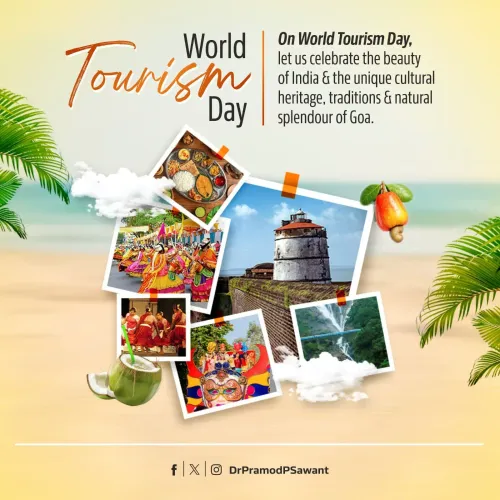
The timing is deliberate. World Tourism Day, observed every 27 September, gives Sawant a ready platform to anchor Goa within the broader Viksit Bharat vision — the central government's roadmap for a developed India by 2047. His post distils the message into three crisp planks: 'Jan Bhagidari. Cultural Pride. Nasha Mukt Yuva.' — participation, heritage, and clean youth. Together, they form the state's alignment with New Delhi's participatory-development framework, signalling that Goa intends to be a frontline contributor, not a passive recipient, of that national ambition.
The pattern here is consistent: Mann Ki Baat, launched in October 2014, has functioned as a recurring alignment tool, letting state leaders publicly mirror central themes and demonstrate active buy-in. Sawant's post is a textbook execution of that dynamic — and on the one day of the year dedicated to tourism, it doubles as a soft pitch for Goa to the world.
The question now is whether the signal translates into on-ground action — Nasha Mukt events in Goan colleges, new heritage tourism pushes, or coordinated campaigns timed to the next episode of Mann Ki Baat. The message has been sent; the delivery is what follows.
Point of View
He simultaneously signals ideological solidarity with the Centre and positions Goa as an active contributor to the Viksit Bharat cultural narrative. The Ganesha Himal Museum reference gives him a ready frame to argue that Goa's own heritage — if similarly packaged — could drive India's soft-power reach further. On the Nasha Mukt front, the endorsement is notable given Goa's longstanding vulnerability to drug-related issues tied to its nightlife economy, making the campaign politically and economically consequential for the state. The net effect is a Chief Minister who appears not merely reactive to national messaging but genuinely integrating it into a coherent state-level brand.
NationPress
27 Sept 2026
Frequently Asked Questions
What was discussed in the 138th episode of Mann Ki Baat?
According to CM Pramod Sawant , the 138th Mann Ki Baat episode featured PM Modi emphasising Jan Bhagidari in nation-building, the Nasha Mukt Bharat movement to guide youth away from addiction, and the story of the Ganesha Himal Museum in Chiang Mai, Thailand, showcasing India's Ashtavinayak traditions globally.
What is the Nasha Mukt Bharat Abhiyan?
The Nasha Mukt Bharat Abhiyan is a national anti-drug campaign launched in 2020 by India's Ministry of Social Justice and Empowerment, focused on youth awareness, prevention, and rehabilitation support to combat substance abuse across the country.
What is the Ganesha Himal Museum in Chiang Mai?
The Ganesha Himal Museum in Chiang Mai, Thailand is a cultural institution that displays Indian faith, art, and the Ashtavinayak tradition for devotees outside India. PM Modi referenced it in Mann Ki Baat as an example of India's global cultural reach.
Why did CM Sawant connect Mann Ki Baat to World Tourism Day?
World Tourism Day falls on 27 September , the same day as the episode. CM Sawant used the occasion to align Goa's heritage tourism identity with the national themes of cultural pride and Jan Bhagidari promoted under the Viksit Bharat vision.
What is Mann Ki Baat and when did it start?
Mann Ki Baat is a monthly radio address by Prime Minister Narendra Modi launched in October 2014 to discuss governance, welfare schemes, and cultural topics directly with citizens across India.