Puri Backs Modi's Zero-Tolerance Terror Doctrine After Mann Ki Baat
Synopsis
Union Petroleum Minister Hardeep Singh Puri echoed PM Modi's Mann Ki Baat remarks on India's counter-terrorism evolution, highlighting the Uri surgical strikes and Balakot airstrike as proof of a zero-tolerance doctrine replacing decades of 'inexplicable restraint.'
Key Takeaways
Puri amplified PM Modi's remarks from the 138th edition of Mann Ki Baat on India's counter-terrorism evolution.
The 2016 Uri attack triggered India's first publicly acknowledged surgical strikes across the Line of Control.
The February 2019 Pulwama bombing led to Indian Air Force airstrikes at Balakot in Pakistan.
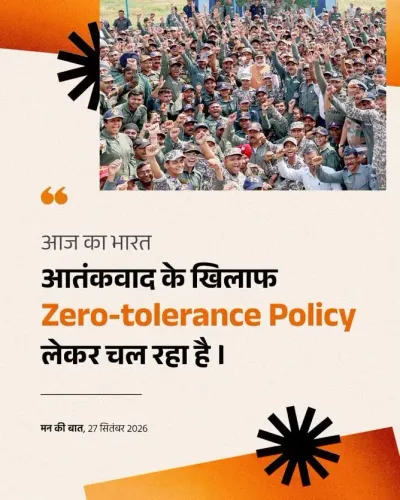
Puri frames the shift as replacing 'inexplicable restraint' with a Modi doctrine of zero tolerance for terrorism.
The statement reframes terrorism as a humanitarian affront — a denial of the fundamental right to life — not just a national security concern.
The posture of publicly owning cross-border operations marks a deliberate break from prior government practice.
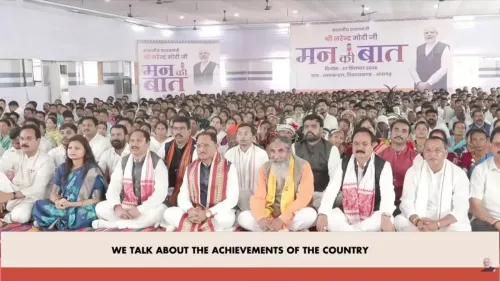
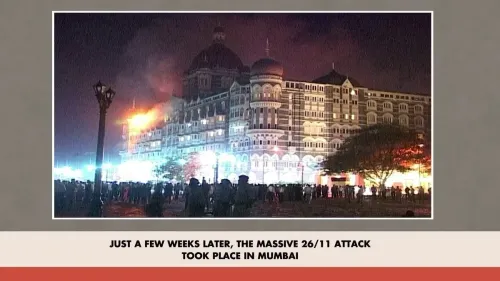
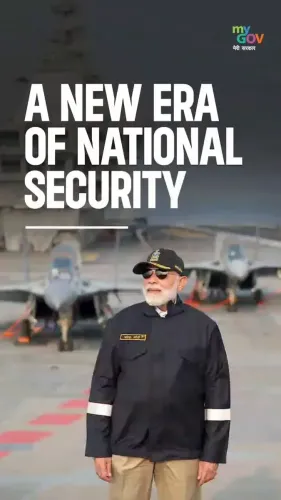
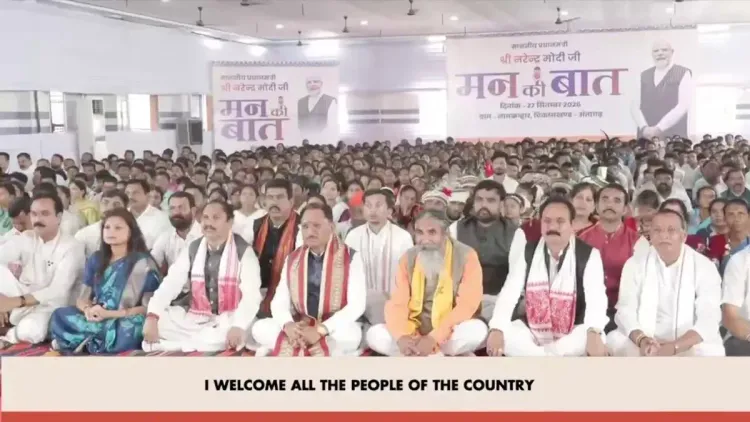
From serial blasts that once shook Delhi and Mumbai to the brazen horror of 26/11, India spent decades absorbing the cost of terrorism while calibrating its response with what Union Petroleum Minister Hardeep Singh Puri calls 'inexplicable restraint.' On Sunday, 27 September 2026, Puri took to X to amplify remarks made by Prime Minister Narendra Modi in the 138th edition of Mann Ki Baat, framing the evolution from that restraint to surgical and aerial strikes as one of the defining strategic shifts of the Modi era.
Puri wrote that PM Modi's reflection on India's counter-terrorism journey highlighted how the nation's 'abiding commitment to peace should not be mistaken for tolerance of terror' — a line that doubles as the unofficial thesis of the government's security posture since 2016.
From Uri to Balakot: The Strikes That Rewrote the Doctrine
The chain of cause and effect Puri traces is precise. The Uri attack of September 2016 — a terrorist assault on an Indian Army base in Jammu and Kashmir — triggered Indian surgical strikes across the Line of Control, the first time the government publicly acknowledged such cross-border action. Before that moment, official India had a long-standing practice of quietly absorbing attacks without explicit public claims of retaliation. Then came Pulwama. The February 2019 suicide bombing targeting Central Reserve Police Force personnel produced an even bolder response: Indian Air Force airstrikes on Balakot in Pakistan, striking what the government described as terrorist infrastructure. Taken together, Puri argues, the two episodes codified what he calls PM Modi's 'firm doctrine of zero tolerance for terrorism' — a readiness to hold those threatening India's security directly accountable, across borders if necessary.Terror Reframed: A National Security Problem Becomes a Humanitarian One
What makes Puri's framing notable is not just the military dimension but the moral one. His post explicitly argues that this shift in posture elevated terrorism 'from a matter of national security' to 'an affront to humanity itself.' By anchoring the argument in the right to life — 'the most fundamental of rights' — the statement positions India's counter-terror doctrine within a universal human-rights vocabulary rather than purely a bilateral or strategic one. This framing has been a consistent thread in government messaging since 2014. The broader pattern is clear: where previous administrations tended to treat cross-border retaliation as diplomatically costly and therefore to be avoided or denied, the current government has institutionalised public acknowledgment — and political ownership — of such operations as a deterrence signal in itself. For a senior minister and former career diplomat like Puri, the choice to amplify this particular passage from Mann Ki Baat carries weight. It signals that the doctrine is not merely a defence-ministry talking point but part of the ruling party's wider political identity heading into any future security conversation.Point of View
In their framing, that muscular deterrence replaced what they characterise as years of strategic timidity. By tying the doctrine to a universal human-rights argument rather than just national interest, the statement bids to frame India's counter-terror posture as globally legitimate, not merely nationalist. For a former career diplomat like Puri, that multilateral vocabulary is a deliberate choice. The timing — a Sunday Mann Ki Baat episode — suggests the government continues to use the broadcast as a platform to reinforce security doctrine in the public consciousness, particularly ahead of any parliament session or diplomatic engagement where Pakistan figures prominently.
NationPress
27 Sept 2026
Frequently Asked Questions
What did PM Modi say about terrorism in Mann Ki Baat on 27 September 2026?
PM Modi reflected on India's evolving response to terrorism, tracing the shift from cautious restraint to the decisive military postures seen in the Uri surgical strikes and the Balakot airstrike, according to Union Minister Hardeep Singh Puri's post summarising the episode.
What were the Uri surgical strikes?
Following the September 2016 terrorist attack on an Indian Army base at Uri in Jammu and Kashmir, India conducted surgical strikes across the Line of Control — the first time the government publicly acknowledged such a cross-border operation.
What was the Balakot airstrike?
In February 2019, following the Pulwama suicide bombing that killed CRPF personnel, the Indian Air Force conducted airstrikes targeting alleged terrorist infrastructure at Balakot in Pakistan.
What is India's zero-tolerance terrorism doctrine?
The phrase refers to the policy posture formalised under PM Modi, which involves publicly acknowledging and conducting preemptive or retaliatory cross-border operations against terrorist groups rather than responding with diplomatic restraint alone.
Why did Hardeep Singh Puri post about Mann Ki Baat and terrorism?
As a senior BJP minister and former diplomat, Puri used the Mann Ki Baat episode as an occasion to reinforce the government's counter-terrorism doctrine and frame India's military posture as consistent with universal human-rights principles, including the fundamental right to life.