Sensex falls 150 points, Nifty at 23,161 as US-Iran tensions rattle markets
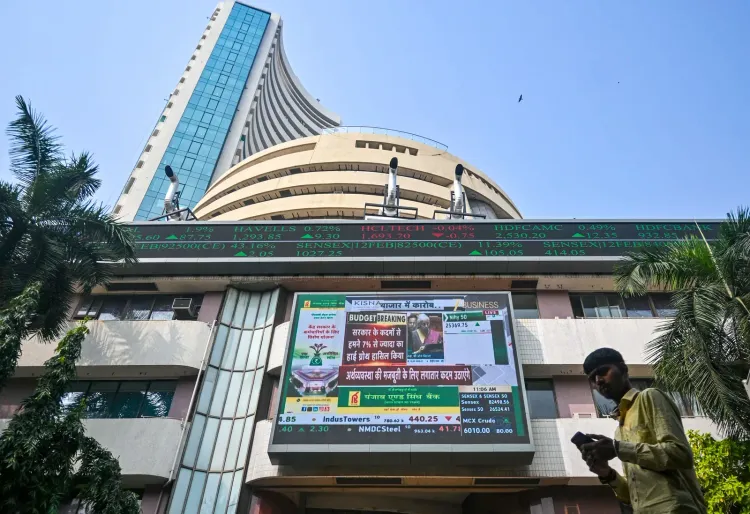
Synopsis
Iran's closure of the Strait of Hormuz after fresh US military strikes sent a chill through Dalal Street — Sensex shed 150 points and the Nifty tested critical 23,100 support as IT stocks led losses. With global crude supplies now under threat and the dollar strengthening on safe-haven demand, Indian markets face a direct line of fire from a conflict thousands of kilometres away.
Key Takeaways
BSE Sensex closed 150.63 points lower at 73,832.55 on 11 June ; Nifty50 fell 53.35 points to 23,161.60 .
Iran announced closure of the Strait of Hormuz following US military strikes , raising global crude supply disruption fears.
Infosys and Eternal were the top Nifty laggards; Nifty IT , Consumer Durables , and Chemical indices led sectoral losses.
Nifty MidCap fell 0.81% and Nifty SmallCap declined 0.67% , underperforming headline indices.
Key Nifty levels: resistance at 23,300–23,400 ; critical support at 23,100 .
The Indian Rupee depreciated after two sessions of gains on fresh dollar demand and safe-haven flows.
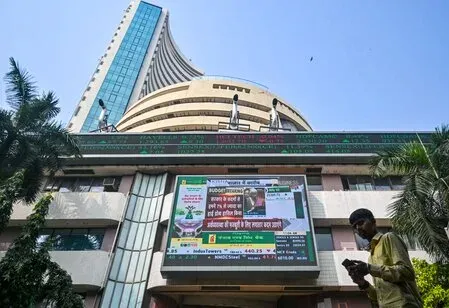
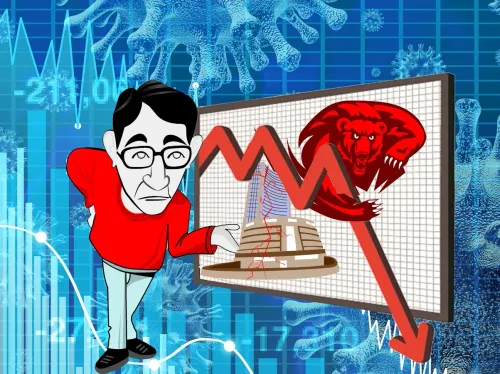
Indian equity benchmarks closed lower on Thursday, 11 June as escalating West Asia geopolitical tensions — sparked by fresh US military strikes on Iran — rattled investor sentiment and dragged IT stocks sharply lower. The BSE Sensex declined 150.63 points, or 0.20%, to settle at 73,832.55, while the Nifty50 shed 53.35 points, or 0.23%, to close at 23,161.60.
What Triggered the Selloff
US President Donald Trump confirmed that Tehran had been given ample time to negotiate a deal with Washington but had failed to do so. He warned that Iran would now face consequences, adding that the US would strike the country 'very hard'. In response, Iran announced the closure of the strategically critical Strait of Hormuz, raising fears of severe disruptions to global crude oil supplies and amplifying uncertainty across financial markets worldwide.
Sectoral and Stock-Level Damage
Among Nifty50 constituents, Infosys and Eternal emerged as the top laggards, weighing heavily on the benchmark. The broader IT sector extended losses, with the Nifty IT index registering one of the steepest sectoral declines of the session. Nifty Consumer Durables and Nifty Chemical indices also ended sharply lower.
Broader markets bore heavier selling pressure: the Nifty MidCap index fell 0.81% and the Nifty SmallCap index declined 0.67% — both underperforming the headline indices. On the positive side, Nifty Media, Nifty Private Bank, and Nifty Pharma outperformed the broader market, limiting the overall decline.
Technical Levels to Watch
Analysts note that the 23,300–23,400 zone now constitutes an important immediate resistance band for the Nifty. 'A sustained move above this range would be required to improve sentiment and support a recovery toward the 23,550 region,' one analyst said. On the downside, the 23,100 level is seen as a crucial support floor — a breach of which, according to market experts, could open the door to further weakness.
Rupee Under Pressure
The Indian Rupee also depreciated on Thursday after two consecutive sessions of gains, weighed by fresh dollar demand driven by forward maturities and a recovery in the dollar index on safe-haven flows. Analysts flagged that a decisive breach above 95.80 on the dollar-rupee pair could trigger sharp short-covering and aggressive hedging, potentially pushing the rate toward 96.50, while 94.70 is seen as a strong base on the downside.
What Markets Are Watching Next
Investors are closely tracking further developments in West Asia, particularly any escalation involving the Strait of Hormuz — through which a significant share of global crude transits. Any sustained disruption to oil flows could push crude prices higher, adding to inflationary pressures and weighing on risk sentiment across emerging markets, including India. The next few sessions will be critical in determining whether the 23,100 support holds or gives way to a deeper correction.
Point of View
Even if temporary, is the kind of supply shock that feeds into India's import bill, widens the current account deficit, and pressures the rupee simultaneously. What is notable is the relative resilience of pharma and private banks, suggesting institutional money is rotating defensively rather than exiting outright. The real test comes if Brent crude breaks materially higher — at that point, the RBI faces a dilemma between defending the rupee and keeping rates accommodative for growth. Markets are pricing in uncertainty, not yet a full risk-off; that distinction matters for how the next session opens.
NationPress
20 Sept 2026
Frequently Asked Questions
Why did the Sensex and Nifty fall on 11 June 2025?
The Sensex fell 150.63 points to 73,832.55 and the Nifty dropped 53.35 points to 23,161.60 on 11 June primarily due to escalating US-Iran tensions, including fresh US military strikes on Iran and Iran's subsequent closure of the Strait of Hormuz. These developments raised fears of global crude oil supply disruptions and triggered a risk-off mood across markets.
What is the significance of Iran closing the Strait of Hormuz?
The Strait of Hormuz is one of the world's most critical oil transit chokepoints, through which a large share of global crude exports pass. Its closure by Iran following US military strikes raises fears of supply disruptions that could push crude oil prices sharply higher, affecting India's import costs, inflation, and the current account deficit.
Which sectors and stocks were worst hit on Thursday?
Infosys and Eternal were the top laggards among Nifty50 constituents. At the sectoral level, Nifty IT, Nifty Consumer Durables, and Nifty Chemical indices recorded the steepest losses. Broader markets also saw sharper selling, with Nifty MidCap down 0.81% and Nifty SmallCap down 0.67%.
What are the key Nifty technical levels to watch?
Analysts have identified 23,300–23,400 as the immediate resistance zone — a sustained move above this band is needed to support a recovery toward 23,550. On the downside, 23,100 is the critical support level; a breach could accelerate further weakness.
How did the Indian Rupee react to the West Asia tensions?
The Indian Rupee depreciated on Thursday after two sessions of gains, pressured by fresh dollar demand from forward maturities and a strengthening dollar index driven by safe-haven flows. Analysts see 94.70 as a strong support and warn that a breach above 95.80 could trigger sharp short-covering toward 96.50.