India tourism growth: Shekhawat calls for private investment, new destinations
Synopsis
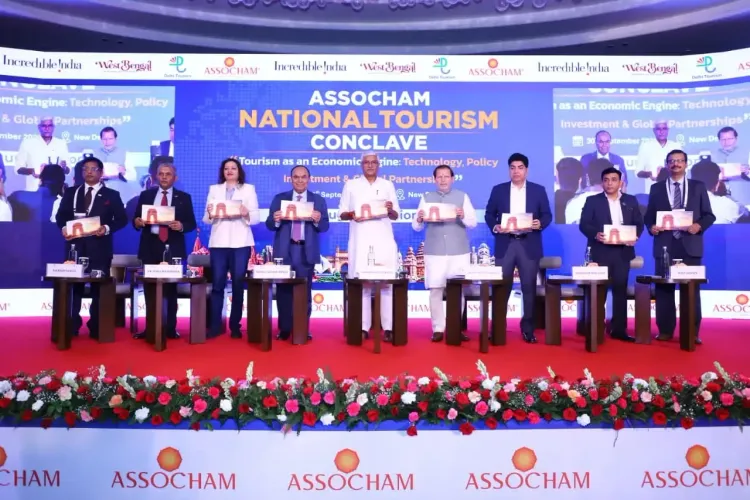
At the ASSOCHAM National Tourism Conclave 2026, Tourism Minister Gajendra Singh Shekhawat called for a pivot from raw tourist numbers to building new destinations and improving experiences. With hotel occupancy jumping from 42% in 2021 to 64.1% in 2025, the sector's momentum is real — but hitting a $1 trillion economy target will demand far more than conference-room consensus.
Key Takeaways
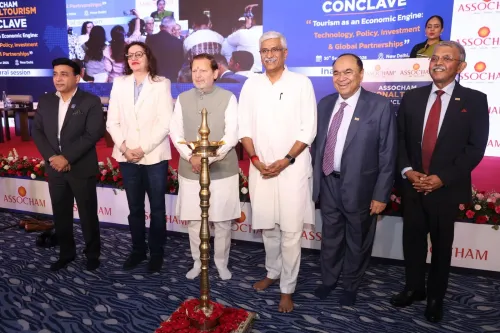
Union Tourism Minister Gajendra Singh Shekhawat addressed the ASSOCHAM National Tourism Conclave 2026 in New Delhi on 1 October 2026 .
He called for greater private-sector investment in infrastructure, hospitality and destination management to sustain India's tourism growth.
A joint ASSOCHAM-CBRE report flagged opportunities in spiritual, MICE, wellness, cruise, rural and wildlife tourism.
Organised hotel occupancy rose to 64.1% in 2025 , up from 42% in 2021 .
ASSOCHAM President Nirmal K.
Minda said stronger government-industry collaboration is essential to achieve a $1 trillion tourism economy .
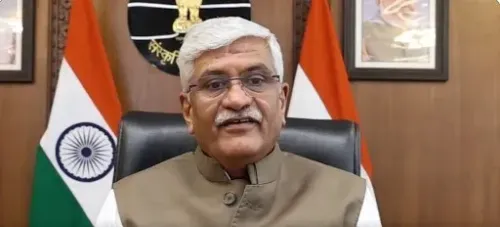
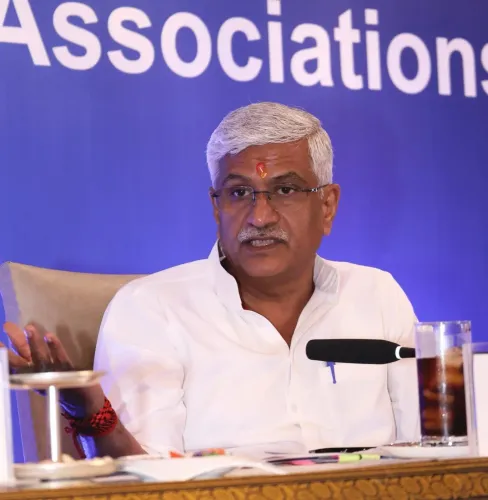
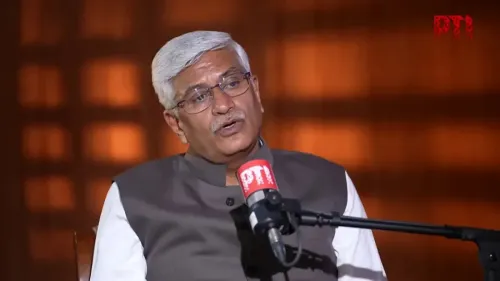
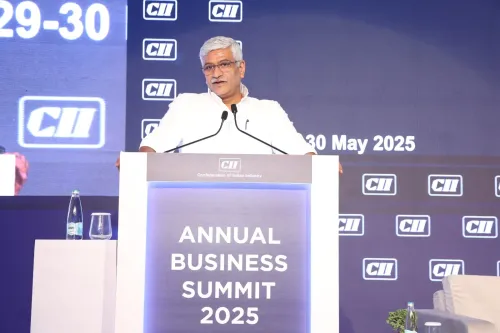
Union Tourism Minister Gajendra Singh Shekhawat on Thursday, 1 October 2026 said that greater private-sector investment, development of new destinations and improved visitor experiences will be critical to sustaining India's tourism growth in its next phase. Speaking at the ASSOCHAM National Tourism Conclave 2026 in New Delhi, Shekhawat positioned tourism as a key pillar of India's ambition to become a developed nation by 2047.
Minister's Vision for Tourism's Next Phase
Shekhawat said rising incomes and rapidly expanding connectivity — spanning highways, airports, railways and other transport networks — are expected to significantly boost travel demand in the coming years. He stressed that meeting this demand will require stepped-up investment in tourism infrastructure, hospitality, destination management and human resource development.
'The next phase of tourism growth will require us to look beyond increasing tourist numbers and focus on building new destinations, creating new experiences and improving destination management,' the minister said at the conclave.
ASSOCHAM-CBRE Report Highlights New Opportunities
A joint report by ASSOCHAM and real estate consultancy CBRE was released at the event, identifying growing opportunities across spiritual, MICE (meetings, incentives, conferences and exhibitions), wellness, cruise, rural and wildlife tourism segments. The report noted that improving connectivity through expressways, rail networks, ropeways and river-based circuits is opening up new tourism markets across the country. Technology and artificial intelligence also emerged as key themes during the panel discussions.
The report further revealed that organised hotel occupancy rose sharply to 64.1 per cent in 2025, up from 42 per cent in 2021 — a recovery that underscores the sector's post-pandemic momentum.
Industry Leaders Back Government-Private Collaboration
ASSOCHAM President Nirmal K. Minda said the tourism sector is evolving well beyond a leisure activity into a major source of investment, employment and regional development. He added that stronger government-industry collaboration will be essential to achieve the goal of a $1 trillion tourism economy.
Anshuman Magazine of CBRE noted that India holds a strong tourism proposition — anchored in its mix of heritage, spirituality, culture, wildlife, wellness, beaches and mountains. He said the immediate opportunity lies in strengthening infrastructure, destination management, cleanliness and safety, while leveraging technology and AI to deliver a more seamless travel experience.
Broader Context and What's Next
The conclave brought together policymakers and industry leaders to chart a roadmap for tourism's contribution to economic growth, jobs and regional development. This comes amid a broader government push to diversify India's economic growth engines beyond manufacturing and services. Notably, the $1 trillion tourism economy target mirrors the ambition seen in other sectoral missions, raising questions about the concrete policy and funding frameworks that will underpin it. Sectoral players and investors will now watch for follow-through in the Union Budget and state-level tourism policies.
Point of View
But the conclave produced no binding commitments — only a familiar call for collaboration. India's hotel occupancy recovery is genuine, yet it reflects pent-up demand rather than structural transformation. The harder questions — land acquisition for new destinations, quality of jobs created, environmental carrying capacity — went largely unaddressed. Without a measurable policy framework tied to Budget allocations, this risks being another high-profile target that inspires headlines but not action.
NationPress
1 Oct 2026
Frequently Asked Questions
What did Tourism Minister Gajendra Singh Shekhawat say at the ASSOCHAM conclave?
Shekhawat said greater private-sector investment, development of new destinations and improved visitor experiences are critical for India's next phase of tourism growth. He linked the sector's expansion to India's goal of becoming a developed nation by 2047.
What does the ASSOCHAM-CBRE report say about India's tourism sector?
The joint report identified growing opportunities in spiritual, MICE, wellness, cruise, rural and wildlife tourism. It also noted that organised hotel occupancy rose to 64.1% in 2025, up significantly from 42% in 2021, reflecting strong post-pandemic recovery.
What is India's tourism economy target?
Industry leaders at the conclave cited a goal of building a $1 trillion tourism economy. ASSOCHAM President Nirmal K. Minda said stronger government-industry collaboration will be essential to reach that target.
How is connectivity being improved for tourism in India?
According to the ASSOCHAM-CBRE report, improving connectivity through expressways, rail networks, ropeways and river-based circuits is opening up new tourism markets across the country. The government's investment in highways, airports and railways is also expected to boost travel demand.
What role will technology play in India's tourism growth?
Technology and artificial intelligence emerged as key themes at the conclave. CBRE's Anshuman Magazine noted that leveraging AI and digital tools can create a more seamless travel experience, complementing improvements in infrastructure, destination management, cleanliness and safety.