India targets 10% tourism GDP share by 2047, says Minister Shekhawat
Synopsis
India has set one of its most ambitious sectoral targets yet: doubling tourism's share of GDP from 6% to 10% by 2047. With an interim 7% milestone by 2030 and over 250 million people lifted out of poverty cited as a demand driver, the Centre is betting that travel can become India's second-biggest jobs engine after agriculture.
Key Takeaways
Union Minister Gajendra Singh Shekhawat announced India's target to raise tourism's GDP share from 6% to 10% by 2047 .
An interim milestone of 7% by 2030 has been set as a near-term benchmark.
Tourism is positioned as the second-largest employment generator after agriculture.
The Centre is investing in tourism infrastructure and visitor facility upgrades nationwide.
More than 250 million people have reportedly moved above the poverty line under Central welfare schemes, boosting domestic travel demand.
India's economy has more than doubled in size since 2014 , with per capita income also rising, according to the minister.
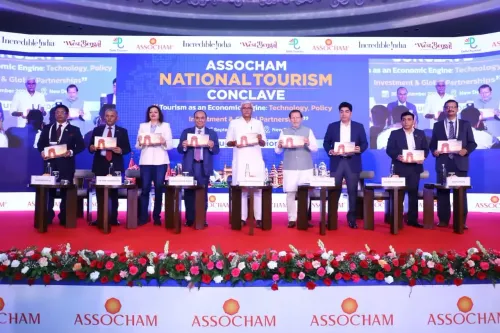
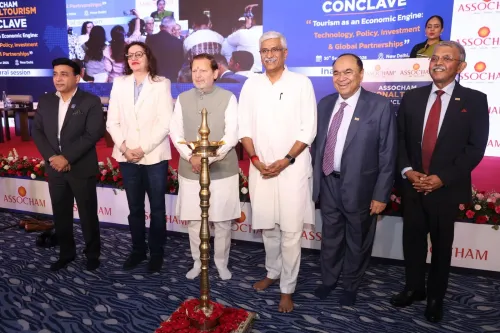
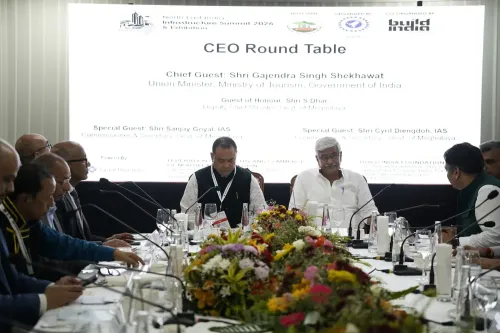
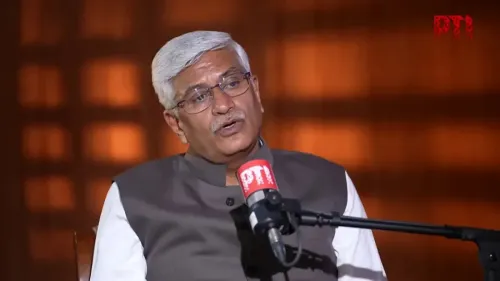
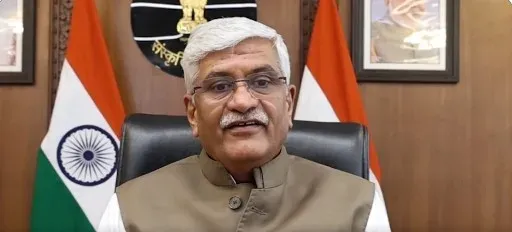
Union Minister for Culture and Tourism Gajendra Singh Shekhawat on Saturday, 11 July announced that the Centre has set a target of raising the tourism sector's contribution to India's national economy from the current 6% to 10% by 2047. Speaking to reporters at his residence in Jaipur, the minister outlined an interim goal of achieving a 7% share by 2030 as a stepping stone toward the long-term vision.
Tourism as an Economic Multiplier
Shekhawat described tourism as a critical driver of a decentralised economy, arguing that it channels development benefits directly to local communities. He highlighted the sector's ability to generate employment across hospitality, transport, handicrafts, food and beverages, and local products. According to the minister, tourism has the potential to become the second-largest employment generator in India, surpassed only by agriculture.
The Centre is accordingly prioritising tourism infrastructure upgrades and improved visitor facilities nationwide, the minister said.
Foreign and Domestic Tourism on the Rise
Shekhawat noted that foreign tourist arrivals have been rising steadily, while domestic tourism has recorded what he called unprecedented growth in recent years. He attributed part of this momentum to India's rising global profile, which he said has positively influenced international travellers' perception of the country.
The minister also linked the domestic tourism boom to improved purchasing power among Indian consumers, crediting effective inflation management by the Centre. He added that India's economy has more than doubled in size since 2014, with per capita income and farmers' incomes also registering gains over the period.
Welfare Gains Underpinning the Tourism Push
Shekhawat cited broader macroeconomic progress as context for the tourism ambition, stating that more than 250 million people have moved above the poverty line owing to Central government welfare initiatives. A larger middle class with disposable income, he argued, is a structural tailwind for domestic travel demand.
Rajasthan Transfer Process: Minister Responds
On a separate query regarding the transfer process in Rajasthan, Shekhawat said that following the lifting of a long-standing ban on transfers, a number of state government employees had approached him citing family circumstances, health issues, and other genuine difficulties. His office forwarded these representations to the concerned ministers for consideration.
The minister said the majority of eligible employees have already benefited from the process, though applications continue to be received in cases involving difficult postings or administrative reasons. He described the exercise as a routine administrative process expected to continue for a few more days.
With the 2047 deadline anchoring long-term planning and the 2030 milestone providing a near-term benchmark, the tourism sector's trajectory will be closely watched as a test of whether infrastructure investment and policy intent translate into measurable economic outcomes.
Point of View
Yet India's tourism receipts have historically lagged peers like Thailand and Malaysia despite comparable natural and cultural assets. The real question is whether the Centre's infrastructure push will prioritise connectivity to Tier-2 and Tier-3 destinations, where the employment multiplier is highest, or concentrate spend on already-saturated heritage corridors. The 2030 interim milestone of 7% will be the first credible test of execution.
NationPress
10 Oct 2026
Frequently Asked Questions
What is India's tourism GDP target for 2047?
India aims to raise the tourism sector's contribution to the national economy from the current 6% to 10% by 2047, according to Union Minister Gajendra Singh Shekhawat. An interim target of 7% has been set for 2030.
Why is the Centre prioritising tourism growth?
The government views tourism as a decentralised economic driver that channels development benefits directly to local communities. The sector is seen as capable of generating the highest number of jobs after agriculture, spanning hospitality, transport, handicrafts, and food and beverages.
How has domestic tourism performed recently?
Domestic tourism has witnessed what the minister described as unprecedented growth in recent years, supported by rising purchasing power linked to inflation management and a broader increase in per capita incomes since 2014.
What is the government doing to achieve the tourism target?
The Centre is prioritising tourism infrastructure development and improved visitor facilities across the country. Policy focus includes both boosting foreign tourist arrivals and sustaining the momentum in domestic travel.
What did Shekhawat say about the Rajasthan transfer process?
Shekhawat said that after a long-standing ban on transfers was lifted in Rajasthan, employees approached him with requests citing family and health reasons, which his office forwarded to concerned ministers. He described the process as routine and said most eligible employees have already been covered.