SIM card misuse under Telecom Act 2023: Up to 3 years jail, ₹50 lakh fine
Synopsis
A Chhattisgarh PoS agent illegally activated 25 SIM cards using citizens' stolen identities — and now the DoT is making clear that such fraud carries up to three years in prison and a ₹50 lakh fine under the Telecommunications Act, 2023. With the Digital Intelligence Platform already deactivating fraudulent numbers, this is a signal that India's telecom regulator is shifting from advisory to enforcement.
Key Takeaways
The Department of Telecommunications (DoT) issued a public advisory on 21 September warning of strict penalties for SIM card misuse.
Offences under the Telecommunications Act, 2023 — including fraudulent SIM issuance, misuse of telecom identifiers, and IMEI tampering — can attract up to 3 years' imprisonment and a fine of up to ₹50 lakh .
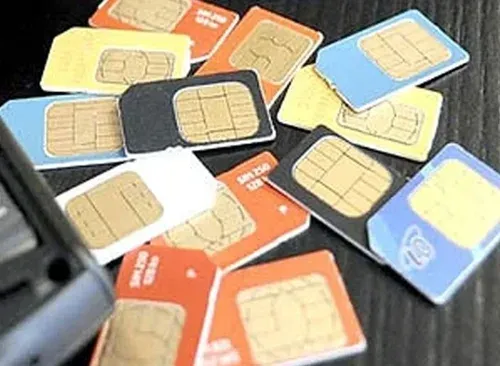
A Point of Sale (PoS) agent in Chhattisgarh was found to have illegally activated 25 SIM cards using citizens' identity documents without their consent.
The DoT blacklisted the PoS agent, permanently barring the outlet from issuing mobile connections.
The 25 fraudulent mobile numbers were examined via the Digital Intelligence Platform (DIP) ; those failing re-verification were deactivated .
Citizens are advised to verify the number of SIMs registered in their name via the Sanchar Saathi portal .
The Department of Telecommunications (DoT) on Monday, 21 September issued a public advisory warning citizens that misuse of SIM cards, telecom identifiers, and tampering with International Mobile Equipment Identity (IMEI) numbers are punishable offences under the Telecommunications Act, 2023, carrying imprisonment of up to three years and financial penalties of up to ₹50 lakh. The advisory follows the busting of a fraudulent SIM issuance racket in Chhattisgarh, where mobile connections were activated using citizens' identity documents without their knowledge or consent.
The Chhattisgarh Racket: What Was Uncovered
Cybercrime investigations revealed that a Point of Sale (PoS) agent in Chhattisgarh had illegally activated 25 mobile connections using identity documents belonging to unsuspecting citizens. The Ministry of Communications stated: 'Recent cybercrime investigations have brought to light some instances in which a Point of Sale (PoS) agent in Chhattisgarh was found to have illegally activated 25 mobile connections (SIMs) using citizens' identification documents without their knowledge or consent.'
Acting swiftly, the DoT, in coordination with telecom service providers, blacklisted the PoS agent, permanently barring the outlet from issuing any mobile connections in the future.
How the Digital Intelligence Platform Intervened
The 25 mobile numbers linked to the fraudulent activations were subsequently flagged and examined through the Digital Intelligence Platform (DIP), a surveillance and detection system developed by the DoT to identify suspicious telecom activity. Connections identified as potentially fraudulent were put through a re-verification process; those that failed were deactivated. The swift use of the DIP underscores the platform's growing role as a frontline tool in combating telecom-enabled crime.
What the Law Says: Penalties Under Telecom Act, 2023
The DoT reiterated that three categories of offences attract the most serious penalties under the Telecommunications Act, 2023: fraudulent issuance of SIM cards, misuse of telecom identifiers, and tampering with IMEI numbers. Convicted individuals face up to three years' imprisonment along with fines extending to ₹50 lakh. This legislative framework, which came into force relatively recently, represents a significant tightening of India's telecom regulatory regime compared to the older Indian Telegraph Act it partly replaced.
Why This Matters: Cybercrime and Telecom Misuse
This advisory comes amid escalating concerns over the misuse of telecom resources in cybercrime, digital fraud, impersonation scams, and other unlawful activities. Fraudulently obtained SIM cards are frequently used as tools in financial scams — enabling criminals to bypass two-factor authentication, operate fake bank accounts, and run phishing operations under the identity of unsuspecting victims. Notably, this is not an isolated incident; law enforcement agencies across several states have flagged similar PoS-level fraud in recent months.
With mobile connectivity and digital services expanding rapidly across India, authorities have stressed the urgency of strict compliance with telecom regulations to safeguard citizens and preserve the integrity of national communication networks. Citizens are being urged to regularly check the number of SIM cards registered against their identity documents through the DoT's Sanchar Saathi portal.
What Citizens Should Do
The DoT has encouraged the public to report suspicious telecom activity and verify that no unauthorised SIM cards have been registered in their names. Telecom service providers have also been directed to strengthen their PoS agent oversight mechanisms to prevent recurrence of such fraud. Going forward, more such crackdowns are expected as the DoT scales up the Digital Intelligence Platform nationwide.
Point of View
2023 introduced sharper penalties, but enforcement has historically lagged at the PoS level, where agents operate with limited oversight. The DoT's use of the Digital Intelligence Platform to retroactively catch and deactivate fraudulent numbers is a step forward, but reactive detection is not a substitute for front-end verification discipline. Until PoS agent accountability is systematically audited — not just investigated after fraud surfaces — high-penalty advisories risk remaining paper deterrents.
NationPress
21 Sept 2026
Frequently Asked Questions
What are the penalties for SIM card misuse under the Telecommunications Act, 2023?
Under the Telecommunications Act, 2023, fraudulent issuance of SIM cards, misuse of telecom identifiers, and tampering with IMEI numbers can attract imprisonment of up to three years and a financial penalty of up to ₹50 lakh. The DoT reiterated these penalties in its advisory issued on 21 September.
What happened in the Chhattisgarh SIM fraud case?
A Point of Sale (PoS) agent in Chhattisgarh was found to have illegally activated 25 mobile connections using the identity documents of citizens without their knowledge or consent. The DoT, in coordination with telecom service providers, blacklisted the agent and permanently barred the outlet from issuing further mobile connections.
What is the Digital Intelligence Platform and how was it used?
The Digital Intelligence Platform (DIP) is a system developed by the DoT to detect suspicious telecom activity. In this case, the 25 fraudulently activated numbers were examined through the DIP; those that failed re-verification were subsequently deactivated.
How can citizens check if SIM cards have been fraudulently registered in their name?
Citizens can verify the number of mobile connections registered against their identity documents through the DoT's Sanchar Saathi portal. The DoT has urged the public to report any unauthorised SIM registrations promptly.
Why is SIM card fraud a growing concern in India?
Fraudulently obtained SIM cards are widely used in cybercrime — including financial scams, identity theft, and bypassing two-factor authentication. With digital services expanding rapidly across India, misuse of telecom resources has become a key enabler of digital fraud, prompting the DoT to issue stricter warnings and deploy detection tools like the DIP.