Karan Yadav appointed ISL CEO as Indian football enters club-led era
Synopsis
Indian football is turning a page: the ISL has named Karan Yadav — ex-JSW Sports CCO and founder of a global football digital media outlet — as its first-ever CEO under the new club-owned commercial rights model, marking the end of the FSDL era and the biggest structural reset in the league's history.
Key Takeaways
The Indian Super League (ISL) appointed Karan Yadav as its new CEO on 21 September 2026 .
Yadav is the first CEO under the ISL's new club-led League Office structure, replacing the FSDL master-rights model.
Under the revised arrangement, ISL clubs will hold commercial rights while the AIFF retains administrative control.
Yadav previously served as Chief Commercial Officer at JSW Sports , managing commercial strategy for Olympic champion Neeraj Chopra and the Paris Olympics kit deal.
He also founded a digital football publication managing 50 writers and 10 editors globally, reflecting deep roots in the sport.
The Indian Super League (ISL) on Monday, 21 September 2026, confirmed the appointment of Karan Yadav as its new Chief Executive Officer (CEO) — the first to hold the role under the league's newly restructured club-led League Office model. The appointment comes at a pivotal moment for Indian football, as the ISL moves away from the Football Sports Development Limited (FSDL) master-rights framework that had drawn criticism for financial sustainability issues.
A New Structure, A New Leader
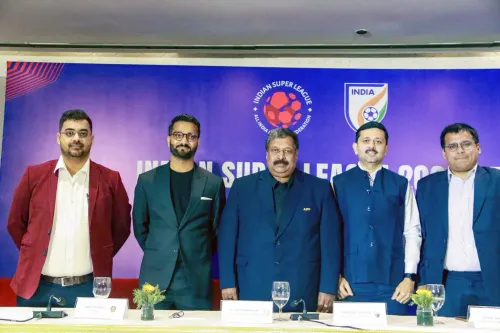
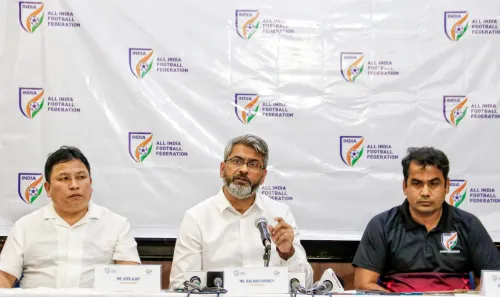
Yadav's appointment marks a structural watershed for Indian football governance. Under the revised arrangement announced at a July press conference of the All India Football Federation (AIFF) and the ISL Managing Committee, the clubs will now hold the ISL's commercial rights going forward, while the AIFF retains administrative control. This shift towards a club-centric commercial model mirrors frameworks used by established leagues globally.
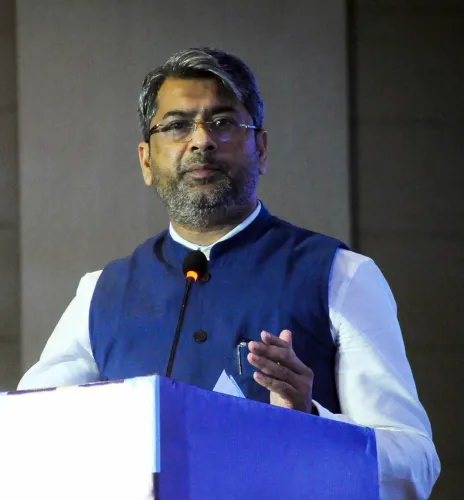
Yadav becomes the first CEO appointed specifically to lead the new League Office, tasked with operationalising the transition. 'The ISL is entering an important new chapter, and I am excited by the opportunity to help shape what comes next. The club-led model gives us a strong foundation to work with the clubs and the Managing Committee of ISL, with a shared ambition for the League and for Indian football,' Yadav said in a statement.
What Yadav Brings to the Role
Yadav arrives with close to two decades of experience spanning rights holders, brands, and global agencies. Most recently, he served as Chief Commercial Officer at JSW Sports, where he shaped the commercial strategy for Olympic champion Neeraj Chopra and managed JSW's kit partnership with Team India for the Paris Olympics. He also played a central role in launching the Neeraj Chopra Classic.
His roots in football run deeper still — Yadav founded a digital football publication where he managed 50 writers and 10 editors across the globe, giving him rare hands-on familiarity with the sport's media ecosystem ahead of his new commercial remit.
The Commercial and Fan Challenge Ahead
Yadav has outlined an ambitious agenda for his tenure. 'Our focus will be on building a strong and effective League Office, strengthening the League's commercial and broadcast proposition, deepening its connection with fans and creating an environment where clubs can grow sustainably,' he said. 'Ultimately, we want to build a League that is stronger, more connected and capable of taking Indian football forward,' he added.
The ISL's broadcast and sponsorship landscape will be a critical early test, with clubs now co-owning the commercial upside — and the attendant risk. Securing a competitive broadcasting deal and growing match-day attendance will be among the league's most pressing near-term priorities.
Context: Why the Old Model Struggled
The FSDL-led master-rights model, under which a single entity controlled and commercialised the ISL, faced mounting scrutiny over financial transparency and the distribution of revenues to clubs. Several franchise operators reportedly flagged sustainability concerns, accelerating the push for a restructured governance arrangement. This transition positions the ISL closer to models adopted by the Indian Premier League (IPL) and European club football, where franchises have a direct stake in the league's commercial fortunes.
With the new structure now in place and a CEO at the helm, the ISL enters its next phase — and how quickly Yadav can consolidate broadcaster interest and fan engagement will define whether this restructuring delivers on its promise.
Point of View
But execution will hinge on whether the ISL can now attract a broadcast deal that genuinely competes with the IPL's gravity. Yadav's JSW pedigree is encouraging, but the real test is whether ten-plus clubs with divergent interests can align on a shared commercial vision — something that has eluded Indian football for years.
NationPress
21 Sept 2026
Frequently Asked Questions
Who is Karan Yadav and why was he appointed ISL CEO?
Karan Yadav is a sports business executive with nearly two decades of experience across rights holders, brands, and agencies, most recently as Chief Commercial Officer at JSW Sports. He was appointed CEO of the Indian Super League on 21 September 2026 to lead the league's newly restructured club-led League Office.
What is the new club-led model for the ISL?
Under the new structure announced at an AIFF-ISL Managing Committee press conference in July, ISL clubs will collectively hold the league's commercial rights, replacing the previous arrangement where Football Sports Development Limited (FSDL) held the master rights. The AIFF retains administrative control over the league.
Why did the ISL move away from the FSDL model?
The FSDL master-rights model reportedly drew criticism for financial sustainability issues and the concentration of commercial revenues away from the clubs. The shift to a club-led commercial model is intended to give franchises a direct stake in the league's financial growth and align incentives more closely with club development.
What will Karan Yadav focus on as ISL CEO?
Yadav has said his priorities include building an effective League Office, strengthening the ISL's commercial and broadcast proposition, deepening fan engagement, and creating conditions for clubs to grow sustainably. Securing a competitive broadcasting deal is widely seen as among his most urgent near-term tasks.
What is Karan Yadav's background in football?
Beyond his corporate career, Yadav founded a digital football publication that managed 50 writers and 10 editors globally, giving him direct experience in football media. At JSW Sports, he also shaped commercial strategy for Indian sports more broadly, including the Paris Olympics kit partnership with Team India.