IMEI tampering now a criminal offence: DoT warns of 3-year jail, ₹50 lakh fine
Synopsis
Tampering with your phone's IMEI number is no longer just a technical violation — it's a cognizable, non-bailable criminal offence under India's Telecommunications Act, 2023. The DoT's fresh advisory, backed by penalties of up to 3 years in jail and ₹50 lakh in fines, also puts SIM card holders on notice: lending your registered SIM to someone who misuses it could land you in prison.
Key Takeaways
The Department of Telecommunications (DoT) issued a public advisory on 31 August against IMEI tampering and unauthorised telecom identifier use.
Violations attract up to 3 years in prison , a fine of up to ₹50 lakh , or both, under the Telecommunications Act, 2023 .
Offences are classified as cognizable and non-bailable under Section 42(7) — police can arrest without a warrant.
Abettors and facilitators face the same penalties as primary offenders under Section 42(6) .
SIM card holders who allow their registered SIMs to be used for fraud can face legal liability even if they did not commit the fraud directly.
Citizens can verify device IMEI details through the government's Sanchar Saathi platform.
The Department of Telecommunications (DoT) on Monday, 31 August issued a stern advisory warning citizens that tampering with International Mobile Equipment Identity (IMEI) numbers, or using mobile devices with unauthorised or modified telecommunication identifiers, is a punishable offence carrying up to three years in prison, a fine of up to ₹50 lakh, or both. The warning comes as mobile connectivity and digital services continue to expand rapidly across India, with the government flagging misuse of telecom identifiers as a growing threat to citizen safety and network integrity.
Legal Framework Behind the Warning
The DoT grounded its advisory firmly in the Telecommunications Act, 2023. Under Section 42(3)(c) of the Act, tampering with telecommunication identifiers is explicitly prohibited. Section 42(3)(e) further bars individuals from obtaining Subscriber Identity Modules (SIMs) or telecommunication identifiers through fraud, cheating, or impersonation.
Critically, offences under these provisions are classified as cognizable and non-bailable under Section 42(7) of the Act — meaning police can arrest without a warrant. Under Section 42(6), individuals who abet or facilitate such offences face the same penalties as the primary offender.
What Citizens Have Been Warned Against
The department issued a broad list of prohibited activities. Citizens have been advised not to use, procure, or assemble modems, modules, SIM boxes, or other equipment with configurable or tampered IMEI numbers. Obtaining SIM cards using fake documents, fraud, cheating, or impersonation is also prohibited.
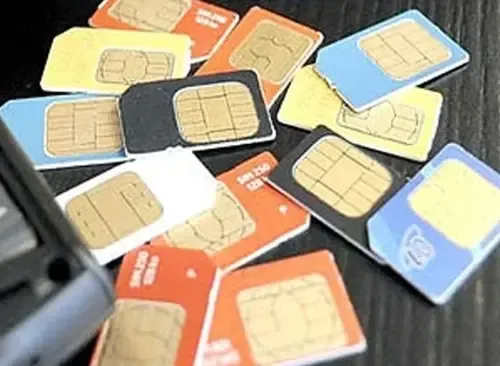
Notably, the DoT extended liability to SIM card holders who transfer, sell, lend, or hand over SIM cards registered in their own name to others who subsequently misuse them. If a SIM procured in one's name is used for cyber fraud or other unlawful activities, the original subscriber could face legal consequences. The advisory also cautioned against using mobile applications, websites, or other tools to modify Calling Line Identity (CLI) or other telecom identifiers.
The Sanchar Saathi Connection
To help citizens protect themselves, the DoT pointed to the government's Sanchar Saathi initiative, which allows users to verify the IMEI details of their mobile handsets — including associated brand, model, and manufacturer information. The platform serves as a first line of defence for consumers looking to confirm whether a device is legitimate before purchase or use.
Why This Advisory Matters Now
This is not an isolated warning. The advisory comes amid a broader government crackdown on telecom fraud, SIM cloning, and cyber crime networks that routinely exploit tampered devices and fraudulently obtained SIM cards. Law enforcement agencies have flagged IMEI manipulation as a common technique used in organised cyber fraud, making the DoT's move a significant step in closing a long-standing regulatory gap. The Telecommunications Act, 2023 itself replaced the decades-old Indian Telegraph Act, and its stricter identifier-tampering provisions represent a deliberate legislative upgrade for the digital age.
Point of View
2023 as an enforcement tool — not just a legislative statement. The extension of liability to SIM card holders who merely lend their registered cards is the sharpest edge of this advisory; it shifts the burden of due diligence onto ordinary citizens in ways that were not explicit under the old telegraph-era framework. What remains to be tested is enforcement: India has had rules against SIM fraud for years, yet SIM-swap and IMEI-cloning networks continue to operate. The real measure of this advisory's impact will be in prosecution rates, not press releases.
NationPress
16 Oct 2026
Frequently Asked Questions
What is IMEI tampering and why is it illegal in India?
IMEI tampering refers to altering or cloning the unique 15-digit International Mobile Equipment Identity number embedded in a mobile device, which is used to identify it on telecom networks. It is illegal under Section 42(3)(c) of the Telecommunications Act, 2023, because tampered IMEIs are routinely used to evade detection in cyber fraud, theft, and other criminal activities.
What is the punishment for IMEI tampering under Indian law?
Under the Telecommunications Act, 2023, IMEI tampering can attract imprisonment of up to three years, a fine of up to ₹50 lakh, or both. The offence is cognizable and non-bailable, meaning police can arrest a suspect without a warrant.
Can I be punished if someone else misuses the SIM card registered in my name?
Yes, according to the DoT advisory. If a SIM card registered in your name is transferred, lent, or handed over to another person who uses it for cyber fraud or other unlawful activities, you as the original subscriber could face legal liability under the Telecommunications Act, 2023.
What is the Sanchar Saathi platform and how does it help?
Sanchar Saathi is a government initiative that allows citizens to verify the IMEI details of mobile handsets, including brand, model, and manufacturer information. It helps users confirm whether a device is legitimate, particularly before purchasing a second-hand phone.
What other telecom-related activities are prohibited under the new advisory?
The DoT has prohibited obtaining SIM cards using fake documents or impersonation, using SIM boxes or devices with configurable IMEI numbers, and using apps or websites to modify Calling Line Identity (CLI) or other telecom identifiers. Abetting or promoting any of these offences also carries the same penalties as committing them directly.