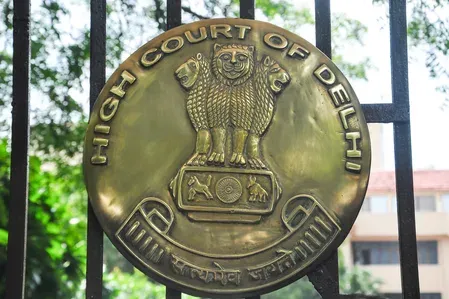
Singapore High Court rejects Byju Raveendran's plea to halt 6-month jail term

Synopsis
The Singapore High Court has shut the door on Byju Raveendran's last bid to avoid a six-month contempt sentence, leaving the Byju's founder effectively locked out of the city-state. With simultaneous legal battles in the US — including a $1.2 billion loan default and a reversed $1 billion Delaware judgment — Raveendran's legal exposure spans continents, and the next move from his team could define whether the Byju's saga ends in settlement or further courtroom attrition.
Key Takeaways
The Singapore High Court dismissed Byju Raveendran's application to stay his six-month contempt jail sentence .
The original sentence was imposed in May for allegedly failing to comply with court orders on asset disclosure .
Raveendran was also ordered to pay legal costs of S$90,000 and provide documents on his ownership of Beeaar Investco Pte .
The proceedings were initiated by a subsidiary of the Qatar Investment Authority , an investor in Byju's during its restructuring phase.
In December 2025 , the Delaware Court reversed an earlier $1 billion judgment against him, ordering a fresh assessment of damages.
Raveendran's legal team maintains he did not breach any court order and will pursue all available legal remedies.
The High Court of Singapore has rejected a plea by Byju's founder Byju Raveendran to suspend his six-month jail sentence for contempt of court, dealing a fresh legal blow to the embattled edtech entrepreneur. The ruling effectively bars Raveendran from entering Singapore unless he is willing to serve the prison term or secures further legal relief.
What the Court Decided
According to reports, the Singapore High Court dismissed Raveendran's application to stay the sentence. A temporary stay had been granted last month pending his appeal, but that relief has now been withdrawn. With this latest ruling, Raveendran faces immediate imprisonment should he set foot in the city-state.
Background: The Original Contempt Sentence
The six-month jail term was originally imposed in May after a Singapore court found Raveendran had allegedly failed to comply with multiple court orders requiring disclosure of his assets. The court had also directed him to surrender to authorities, pay legal costs of S$90,000, and furnish documents establishing his ownership of Beeaar Investco Pte, a corporate entity that held shares in a related company.
The legal proceedings were initiated by a subsidiary of the Qatar Investment Authority, which had invested in Byju's during a period of restructuring and large-scale layoffs. Qatar Holdings was represented by law firm Drew & Napier, while Byju's Investments was represented by Fervent Chambers.
What Raveendran's Legal Team Says
J. Michael McNutt, a lawyer at Lazareff Le Bars representing Raveendran, said his client continues to deny any wrongdoing. 'Raveendran maintains that he did not breach any court order, intentionally or otherwise, and will continue to pursue every lawful remedy through the proper legal process,' McNutt said in a statement. The defence team has signalled it will exhaust all available legal channels.
A Multi-Jurisdictional Legal Battle
The Singapore ruling is one of several legal fronts Raveendran is contending with simultaneously. In the United States, creditors have been pursuing claims linked to a defaulted $1.2 billion term loan, and investors have raised concerns over the company's financial management and corporate governance.
Notably, Raveendran secured partial relief in December 2025 when the Delaware Court reversed an earlier $1 billion judgment against him, holding that damages had not been properly determined and ordering a fresh phase of proceedings to assess whether any compensation was payable.
His legal team has alleged that GLAS Trust and certain lenders withheld or misrepresented key information during the US proceedings — claims they say contributed to the collapse of the edtech company and the destruction of its enterprise value.
What Happens Next
Raveendran's team has indicated it will pursue further legal remedies. However, unless a higher court grants a fresh stay, the six-month sentence remains enforceable. The outcome of the Singapore proceedings could also influence ongoing investor and creditor actions in other jurisdictions, keeping the legal pressure on the once-celebrated founder of India's most valuable edtech startup.
Point of View
Creditors chasing a $1.2 billion default in the US, and a Delaware damages retrial still pending. The Delaware reversal in December 2025 was a rare win, but it did not resolve liability — it merely reset the quantum question. For India's edtech sector, which once held Byju's up as a unicorn benchmark, the multi-jurisdictional unravelling is a cautionary study in governance failure at scale.
NationPress
14 Jul 2026
Frequently Asked Questions
Why did the Singapore High Court reject Byju Raveendran's plea?
The Singapore High Court dismissed Raveendran's application to stay his six-month contempt sentence, which had been temporarily suspended pending appeal. The court found no grounds to continue the stay, meaning the sentence is now enforceable and Raveendran cannot enter Singapore without facing imprisonment.
What was Byju Raveendran originally jailed for in Singapore?
A Singapore court sentenced Raveendran to six months in jail in May for allegedly failing to comply with multiple court orders requiring disclosure of his assets. He was also ordered to pay S$90,000 in legal costs and submit documents on his ownership of Beeaar Investco Pte.
Who initiated the Singapore legal proceedings against Byju Raveendran?
The proceedings were initiated by a subsidiary of the Qatar Investment Authority, which had invested in Byju's during a period of company restructuring and large-scale layoffs. Qatar Holdings was represented by law firm Drew & Napier.
What is the status of Byju Raveendran's legal battles in the United States?
In the US, creditors have been pursuing claims linked to a defaulted $1.2 billion term loan. In December 2025, the Delaware Court reversed an earlier $1 billion judgment against Raveendran, ordering a fresh phase of proceedings to properly determine damages.
What does Byju Raveendran's legal team say about the contempt finding?
His lawyer J. Michael McNutt of Lazareff Le Bars stated that Raveendran maintains he did not breach any court order, intentionally or otherwise, and will continue to pursue every lawful remedy through the proper legal process.