CM Himanta Explains Revenue Circle Reorganisation in Assam Assembly
Synopsis
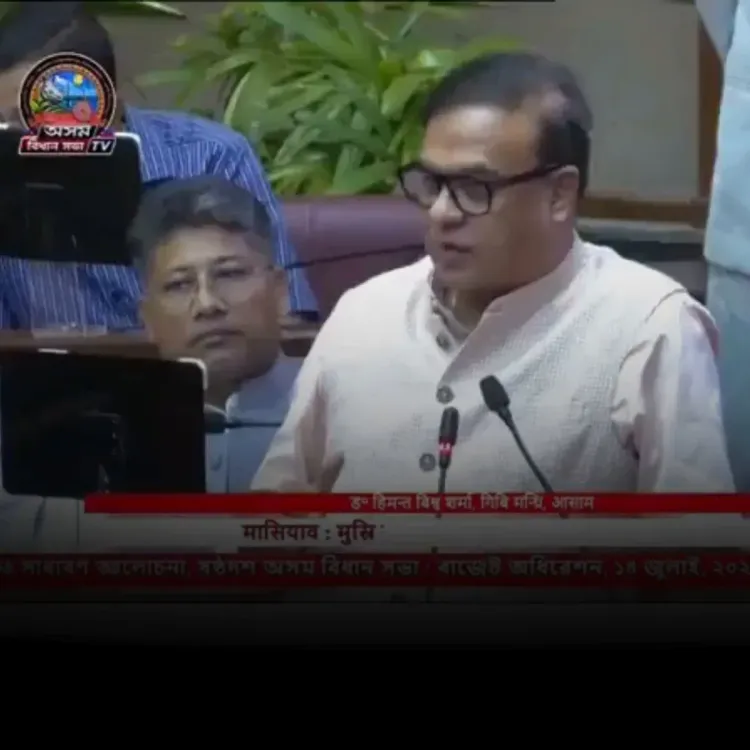
Chief Minister Himanta Biswa Sarma addressed the Assam Legislative Assembly on 14 July 2026 to explain the reorganisation of Revenue Circles, framing it as a key step in the state's administrative reform drive to strengthen governance and improve public service delivery for rural citizens.
Key Takeaways
Himanta Biswa Sarma addressed the Assam Legislative Assembly on 14 July 2026 on Revenue Circle reorganisation.
Revenue Circles are the basic administrative units managing land revenue, records, and mutations in Assam.
The reorganisation is part of a broader administrative reform drive initiated after the BJP government came to power in May 2021 .
The exercise aligns with Assam's ongoing digitisation of land records to reduce delays in revenue services.
Primary beneficiaries include rural citizens and revenue officials who will see rationalised jurisdictions and faster service delivery.
Rollout timelines, boundary notifications, and potential supplementary legislation are expected in subsequent assembly sessions.
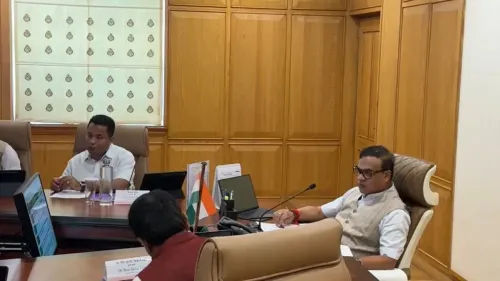
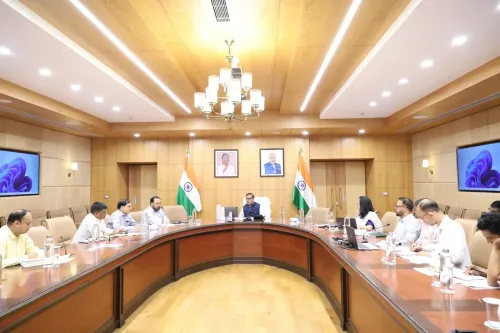
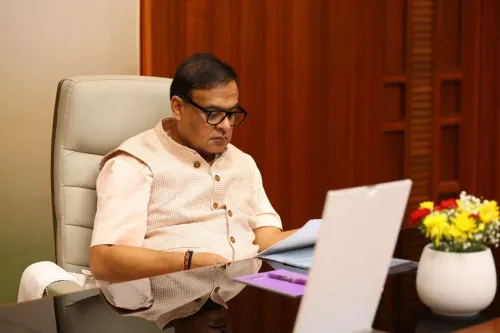
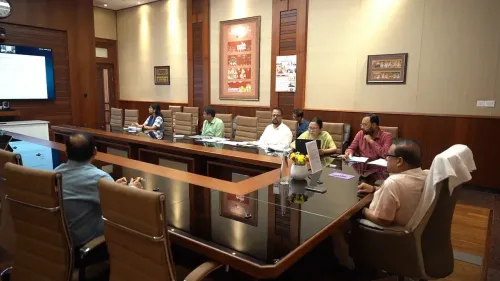
The Chief Minister's Office of Assam announced on Tuesday, 14 July 2026, that Chief Minister Dr. Himanta Biswa Sarma addressed the Assam Legislative Assembly to elaborate on the government's reorganisation of Revenue Circles, framing the move as central to strengthening governance and improving public service delivery across the state.
Context
Revenue Circles are the foundational administrative units in Assam, responsible for managing land revenue, maintaining land records, processing mutations, and delivering local governance functions under the district administration framework. Speaking on the floor of the House, Dr. Sarma outlined the rationale behind reorganising these units, describing the exercise as part of the government's broader commitment to administrative efficiency.
The CMO's post noted that the Chief Minister 'addressed the House and elaborated on the reorganisation of Revenue Circles, highlighting the government's efforts to strengthen governance and improve public service delivery.' The address signals that the reorganisation is being treated as a significant policy priority, warranting direct ministerial explanation to the legislature.
Policy Backdrop
The reorganisation of Revenue Circles is not an isolated initiative. Since the BJP-led government under Dr. Himanta Biswa Sarma came to power in May 2021, it has undertaken successive reviews of administrative boundaries and service delivery mechanisms to address long-standing governance gaps inherited from previous administrations.
Assam has periodically adjusted Revenue Circle boundaries to keep pace with population growth and to improve administrative accessibility in remote and interior areas. The current exercise also dovetails with the state's ongoing digitisation of land records, an effort aimed at reducing delays in mutation and revenue services that directly affect rural citizens and farmers.
Broader administrative restructuring in Assam — including earlier district-level reorganisation exercises — forms the policy lineage within which this Revenue Circle overhaul sits. Across India, state governments have increasingly recognised grassroots revenue administration as a lever for improving last-mile service delivery.
Stakeholders and Impact
Rural citizens stand to be the most direct beneficiaries of any rationalisation of Revenue Circle boundaries, as shorter distances to circle offices and reduced administrative loads on revenue officials can translate into faster processing of land-related applications and grievances.
Revenue officials — including Circle Officers and their staff — will see their jurisdictions and workloads redefined by the reorganisation. Rationalised circles with manageable geographic and population coverage are expected to improve accountability and reduce the backlog of pending cases that has long plagued land administration in the state.
The Assam Legislative Assembly's engagement with this issue through a ministerial address ensures that elected representatives from affected constituencies have the opportunity to raise concerns, seek clarifications, and flag ground-level implementation challenges before the reorganisation is fully notified.
What's Next
Attention will now turn to the formal notification of new circle boundaries, rollout timelines, and whether any supplementary legislation or budgetary provisions will be introduced in subsequent assembly sessions to support the reorganisation. The government's ability to execute the transition smoothly — particularly in terms of staffing and record transfer — will determine whether the reform delivers its intended governance dividend.
As Assam continues its administrative reform drive, the Revenue Circle reorganisation will serve as a test case for the state's capacity to translate legislative intent into measurable improvements in public service delivery at the grassroots level.
Point of View
Not merely a bureaucratic exercise. By anchoring the reform in the legislature, the BJP government is building a public record of accountability and inviting scrutiny — a calculated move that also pre-empts opposition narratives about top-down policy imposition. The initiative fits a recognisable pattern of state-level administrative consolidation seen across BJP-governed states, where land record digitisation and circle rationalisation are packaged together as governance dividends for rural constituencies. The real test will come at implementation, where staffing gaps and record-transfer logistics have historically stalled similar reforms in Assam and elsewhere.
NationPress
12 Oct 2026
Frequently Asked Questions
What is the reorganisation of Revenue Circles in Assam?
The reorganisation of Revenue Circles in Assam refers to the government's exercise of redrawing and rationalising the boundaries of the state's basic administrative units that handle land revenue, land records, mutations, and local governance functions, with the aim of improving efficiency and public service delivery.
Why did CM Himanta Biswa Sarma address the Assam Assembly on Revenue Circles?
CM Himanta Biswa Sarma addressed the Assam Legislative Assembly on 14 July 2026 to elaborate on the government's rationale and approach for reorganising Revenue Circles, ensuring elected representatives and the public are informed about the administrative reform.
Who benefits from Revenue Circle reorganisation in Assam?
Rural citizens who rely on circle offices for land-related services and revenue officials who manage these units are the primary beneficiaries, as rationalised boundaries are expected to reduce delays and improve accessibility.
What is Assam's broader administrative reform drive?
Since May 2021, the Himanta Biswa Sarma-led government has undertaken reviews of administrative boundaries, district restructuring, and digitisation of land records as part of a sustained effort to modernise governance and reduce service delivery gaps.
What happens next after the Assam Assembly address on Revenue Circles?
The next steps include formal notification of new circle boundaries, announcement of rollout timelines, and possible introduction of supplementary legislation or budgetary provisions in future assembly sessions to support the reorganisation.