SpiceJet Shares Dive 10% to 11-Year Low Amid Block Deals
Synopsis
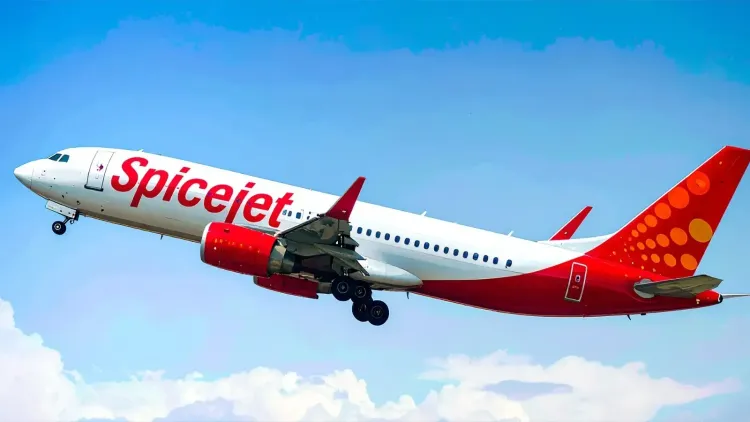
SpiceJet's shares have nosedived by 10%, hitting an 11-year low, as over 8% of its equity was traded in a flurry of block deals. Discover the implications and ongoing challenges faced by the airline.
Key Takeaways
10% drop in SpiceJet shares, reaching an 11-year low .
Over 8% of equity traded during block deals.
Stock has seen a 25% decline in the last week.
Plans to expand fleet to 60 aircraft .
Operational issues include airspace restrictions.
Mumbai, February 25 (NationPress) - The stock of SpiceJet plummeted by 10 percent on Wednesday, reaching the lower circuit limit following significant block deals on the BSE, which led to extensive selling activity in the stock.
Reports indicate that approximately 8.4 percent of the airline's equity was traded during this session.
In total, about 128.6 million shares exchanged hands through 17 block transactions, making it one of the day's most actively traded stocks.
Trading volumes soared to over 16 times the average daily volume for the past three months, reflecting heightened activity and substantial selling pressure.
By 11 am, the share price was locked at Rs 12.88 each, marking its lowest point in over 11 years.
This decline represents the seventh consecutive day of falling shares for the airline. In just the past week, the stock has fallen by approximately 25 percent, solidifying its position as the poorest performer on the BSE SmallCap index.
Technical analyses indicate significant weakness in the stock, with the 14-day Relative Strength Index (RSI) dropping to 9.01.
This steep decline occurs despite the airline's recent announcement of plans to broaden its operations.
Last week, SpiceJet revealed intentions to expand its fleet to around 60 aircraft through a combination of wet and damp leases, while also working to reinstate grounded planes.
The company noted its domestic market share rose to 4.3 percent in December, up from 1.9 percent in September, supported by a 56 percent increase in capacity in the December quarter.
Furthermore, SpiceJet aims to more than double its capacity to 220 crore Available Seat Kilometres by Winter 2026.
However, ongoing operational issues continue to burden the airline. Reports indicate that Bangladesh has restricted SpiceJet's access to its airspace due to unresolved dues.
This has led to some flights from Kolkata, including routes to Guwahati, having to operate longer journeys, thereby exacerbating operational challenges.
Point of View
It's crucial to highlight the troubling decline of SpiceJet's shares, which reflects broader challenges in the aviation sector. This significant drop, amidst ongoing operational hurdles, underscores the precarious state of the airline as it seeks to recover and expand.
NationPress
20 Oct 2026
Frequently Asked Questions
What caused SpiceJet's shares to fall?
SpiceJet's shares fell due to heavy block deals on the BSE, leading to significant selling pressure.
How much did SpiceJet's stock drop?
The stock dropped by 10%, reaching its lowest price in over 11 years.
What are SpiceJet's future plans?
SpiceJet plans to expand its fleet to around 60 aircraft and aims to double its capacity by Winter 2026.
What operational challenges is SpiceJet facing?
SpiceJet is currently barred from using Bangladesh's airspace due to unpaid dues, which is affecting its flight routes.
What was SpiceJet's market share in December?
The airline's domestic market share improved to 4.3% in December from 1.9% in September.