Hormuz risks may keep oil bills volatile: Finance Ministry
Synopsis
The Finance Ministry has flagged the Strait of Hormuz as a live threat to India's oil bills, freight costs and, eventually, retail prices. Sub-$100 crude and a stronger rupee offer some relief, but the Ministry itself calls that cushion conditional — leaving India's inflation outlook tied to a conflict it cannot control.
Key Takeaways
The Finance Ministry said on 28 November 2026 that Strait of Hormuz risks may keep oil import bills and freight rates volatile.
The supply-side shocks could feed into wholesale and retail price indices in coming months, per the November Monthly Economic Review .
Crude benchmarks fell below US$100 per barrel in early November, and a stronger rupee may ease imported inflation.
Domestic activity is expected to sustain momentum into Q3 FY27 , supported by vehicle sales and rural consumption.
Industrial production growth moderated in September and manufacturing PMI eased in October , but stayed expansionary.
Strong exports, a services surplus, FDI inflows and forex reserves underpin external resilience.
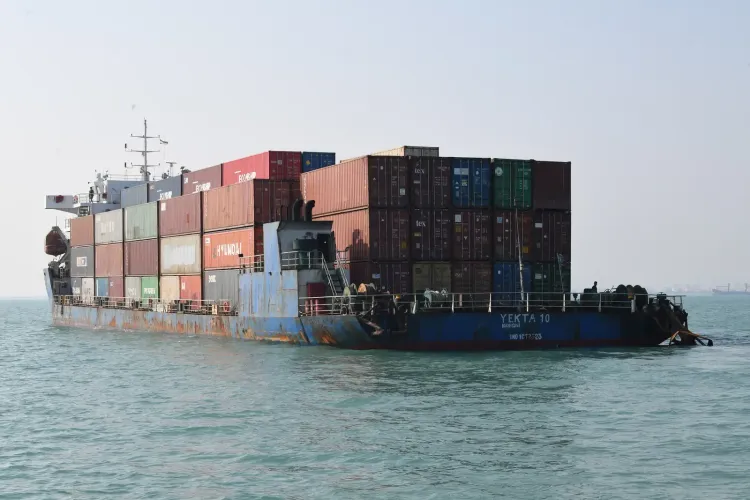
The Finance Ministry on Saturday, 28 November 2026, warned that continued conflict in the Middle East and risks to the Strait of Hormuz may keep India's oil import bills and maritime freight rates subject to sustained volatility. The assessment, part of the Ministry's Monthly Economic Review for November released in New Delhi, flagged that these supply-side shocks could feed into wholesale and retail price indices in the coming months.
The Review also struck a cautiously optimistic note, saying domestic economic activity is expected to sustain its momentum into Q3 FY27, backed by firm demand, easing input costs and a resilient external sector.
Oil, Freight and the Inflation Risk
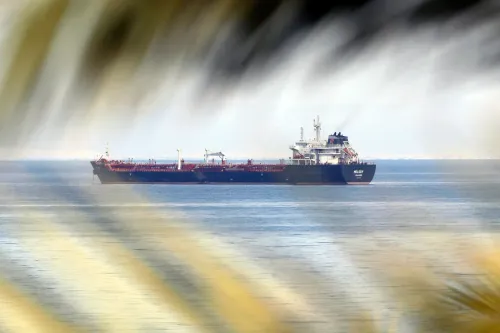
The Strait of Hormuz is among the world's most critical energy chokepoints, and any disruption there directly affects crude-importing economies like India, which relies on imports for the bulk of its oil needs. According to the Review, the risks surrounding the strait threaten to spill over into broader wholesale and retail price indices.
The Ministry, however, pointed to some offsetting factors. “However, recent moderation in global crude oil prices, with benchmarks falling below US$100 per barrel in early November and strengthening of the rupee following robust capital inflows, may provide some relief from imported inflationary pressures, contingent upon the persistence of this trend,” the Review noted.
Notably, the relief is explicitly conditional. The Ministry's own wording signals that a reversal in crude prices or the rupee could quickly revive imported inflation.
Domestic Growth Momentum Holds
High-frequency indicators, according to the Review, point to continued expansion across goods movement, tax collections, energy consumption and freight. Business activity is likely to remain firm, with new orders gaining pace and input cost pressures easing.
Domestic demand is expected to stay supportive, aided by sequential momentum in vehicle sales and continued strength in rural consumption. The Ministry said comfortable fertiliser availability bodes well for the rabi season, although sowing is still at an early stage and reservoir storage is below last year's level.
Industry Expands, but Signs of Moderation
Industrial activity continued to expand overall, though industrial production growth moderated in September and the manufacturing PMI eased in October while remaining in the expansionary zone.
“Bank credit to industry and infrastructure increased, alongside steel consumption. Recent government measures have focused on strengthening domestic manufacturing capabilities,” the Review further noted.
External Sector Shows Resilience
The Ministry said India's external sector has demonstrated resilience amid heightened geopolitical uncertainty. Robust merchandise export growth, supported by broad-based gains across key sectors, along with a sustained services trade surplus, has helped cushion the overall trade deficit.
Higher foreign direct investment (FDI) inflows and substantial capital inflows continue to support the overall balance of payments (BoP), while adequate foreign exchange reserves provide a strong buffer against external shocks, according to the Review.
What Lies Ahead
The outlook now hinges on two variables largely outside New Delhi's control: the trajectory of the Middle East conflict and the durability of the recent dip in crude prices. Households and businesses will be watching upcoming inflation prints closely to see whether the Ministry's warning on price pass-through materialises in the months ahead.
Point of View
But policymakers should prepare contingency plans rather than lean on a crude price trend they do not control.
NationPress
28 Nov 2026
Frequently Asked Questions
What did the Finance Ministry say about the Strait of Hormuz?
The Finance Ministry said continued Middle East conflict and risks to the Strait of Hormuz may keep India's oil import bills and maritime freight rates subject to sustained volatility. It made the remarks in its Monthly Economic Review for November, released on 28 November 2026.
Will Strait of Hormuz risks raise inflation in India?
The Ministry said these supply-side shocks threaten to feed into wholesale and retail price indices in the coming months. However, crude falling below US$100 per barrel and a stronger rupee may offer some relief, if the trend persists.
What is the outlook for India's economy in Q3 FY27?
Domestic economic activity is expected to sustain its momentum into Q3 FY27, according to the Review. High-frequency indicators point to expansion in goods movement, tax collections, energy consumption and freight.
How is India's industrial sector performing?
Industrial activity continued to expand, though industrial production growth moderated in September and manufacturing PMI eased in October while staying in the expansionary zone. Bank credit to industry and infrastructure and steel consumption both increased.
Is India's external sector stable amid geopolitical tensions?
Yes, the Finance Ministry said India's external sector has shown resilience. Robust merchandise exports, a services trade surplus, higher FDI inflows and adequate forex reserves are cushioning the trade deficit and supporting the balance of payments.