Is Tamil Nadu Set to Become the Global Toy Manufacturing Hub?
Synopsis
Tamil Nadu's new Toy Manufacturing Policy 2025 aims to elevate the state as a global leader in the toy industry, integrating traditional craftsmanship with modern technology. This initiative seeks to attract major investments and foster innovation in toy design, creating thousands of jobs and promoting inclusivity.
Key Takeaways
Tamil Nadu aims to be a global leader in toy manufacturing .
Investment exceeding Rs 50 crore qualifies for special incentives.
Focus on integrating traditional craftsmanship with modern technology.
Policy promotes inclusivity and innovation in the toy industry.
Targeted support for MSMEs entering the toy sector.
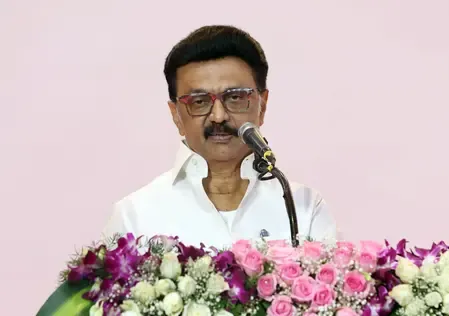
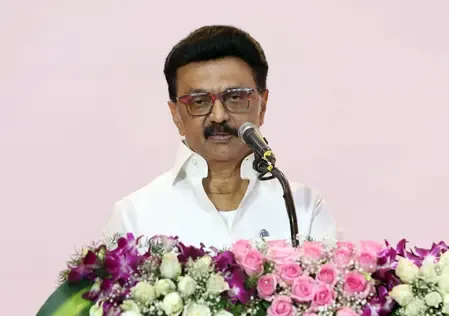
Chennai, Dec 8 (NationPress) The Chief Minister of Tamil Nadu, M.K. Stalin, has introduced the Toy Manufacturing Policy 2025, outlining a bold strategy to transform the state into a worldwide leader in the design, development, and production of cutting-edge toys.
This policy not only focuses on extensive manufacturing but also aims to rejuvenate Tamil Nadu's long-standing artisanal toy craftsmanship and merge it with contemporary supply chains. It recognizes the enormous global toy industry, projected to reach approximately $180 billion by 2024, while India's contribution is currently less than one percent.
Officials perceive this shortfall as a substantial growth opportunity for Tamil Nadu. To seize this moment, the state government plans to draw in at least 10 anchor investors, create a specialized Toy Manufacturing Park, and encourage innovative design studios to foster research, creativity, and the generation of highly skilled employment.
Emphasis will be placed on advanced and valuable product segments, including STEM-based educational toys, electronic and interactive toys, puzzles, board games, action figures, and plush dolls. Significant investments exceeding Rs 50 crore that yield at least 500 jobs will qualify for an exclusive incentive package. This package encompasses fixed capital subsidies, land allotment benefits, stamp duty waivers, training assistance, support for quality certification, help with intellectual property creation, and electricity tax exemptions.
Micro, small, and medium enterprises (MSMEs) entering the toy manufacturing sector will be eligible for capital subsidies of up to Rs 1.5 crore, alongside payroll support, intellectual property creation assistance, and interest reimbursements under the MSME Policy 2021.
The policy also brings in targeted incentives for manufacturers of experiential learning toys and inclusive toys designed for children with special needs, aligning social impact with global safety and accessibility standards.
To further support creativity-driven ventures, a 30 percent payroll subsidy for a duration of 12 months will be available for creative design studios established in the state. The policy will be in effect for five years and will be executed through the Industries Department, with SIPCOT acting as the primary agency for incentive distribution and separate facilitation for MSMEs.
Traditional toy clusters are a foundational aspect of this new policy. The Vilacheri clay toy hub is renowned for its vibrant terracotta pieces, while the wooden lacquerware region of Ambasamudram is celebrated for its miniature instruments, children's walkers, and kitchen playsets. The iconic Thanjavur Thalayatti Bommai, protected by a GI tag, continues to embody the state's rich artisanal legacy, now poised for a global presence under the new policy.
Point of View
Tamil Nadu's Toy Manufacturing Policy 2025 presents an important opportunity for economic growth and job creation. By combining traditional craftsmanship with modern manufacturing techniques, this initiative can position India competitively in the global toy market, fostering innovation and inclusivity.
NationPress
7 Oct 2026
Frequently Asked Questions
What is the Toy Manufacturing Policy 2025?
The Toy Manufacturing Policy 2025 is an initiative by Tamil Nadu's government aimed at establishing the state as a global hub for toy design, development, and production while reviving traditional toy-making practices.
How does the policy support local artisans?
The policy aims to revive Tamil Nadu's artisanal toy traditions by integrating them with modern supply chains and providing support to local craftsmen.
What are the investment incentives included in the policy?
Investors can benefit from capital subsidies, land allotment concessions, and various support programs if they invest over Rs 50 crore and create a minimum of 500 jobs.
What types of toys will be prioritized under this policy?
The policy will focus on high-value product categories such as STEM-based educational toys, electronic toys, board games, and inclusive toys for children with special needs.
How long will the policy remain active?
The Toy Manufacturing Policy 2025 will be valid for five years and will be implemented through the Industries Department.