TASMAC revenue hits record ₹50,845 crore in 2025-26, up 5% year-on-year
Synopsis
TASMAC has crossed ₹50,000 crore in annual revenue for the first time — and the number keeps climbing. With liquor sales now funding more than a quarter of Tamil Nadu's own tax revenue, the state faces a sharpening contradiction: every rupee raised from alcohol deepens the fiscal case against prohibition, even as social pressure on TASMAC's retail model intensifies.
Key Takeaways
TASMAC collected ₹50,845 crore in 2025-26 , crossing the ₹50,000 crore mark for the first time.
Revenue rose by ₹2,464 crore ( ~5% ) compared to ₹48,381 crore in 2024-25 .
VAT contributed ₹39,010 crore ; excise duty added ₹11,836 crore .
TASMAC receipts account for nearly 26% of Tamil Nadu's own tax revenue.
In the first four months of 2026-27 , TASMAC collected ₹17,855 crore , averaging over ₹4,460 crore a month .
Annual collections are projected to grow a further 5.3% in 2026-27 .
Tamil Nadu State Marketing Corporation (TASMAC) crossed the ₹50,000 crore revenue milestone for the first time in 2025-26, recording ₹50,845 crore in total collections — a ₹2,464 crore or roughly 5% rise over the ₹48,381 crore collected in 2024-25. The figures, drawn from the Home, Prohibition and Excise Department's policy note for 2026-27, confirm that liquor sales remain one of the most consequential revenue streams for the Tamil Nadu government.
Breakdown of the Record Collection
Of the ₹50,845 crore collected, value-added tax (VAT) contributed the single largest share at ₹39,010 crore. Excise duty accounted for the remaining ₹11,836 crore. Together, these receipts represented nearly 26% of Tamil Nadu's own tax revenue in 2025-26 — meaning more than one rupee in every four collected by the state traces back to liquor sales.
Growth Trajectory in 2026-27
Revenue momentum has carried into the current financial year. In the first four months of 2026-27, TASMAC generated ₹17,855 crore, averaging more than ₹4,460 crore a month. The department projects annual collections to grow by a further 5.3% this year, which would push liquor revenue well above the ₹50,000 crore threshold if realised.
The Fiscal Dependence Question
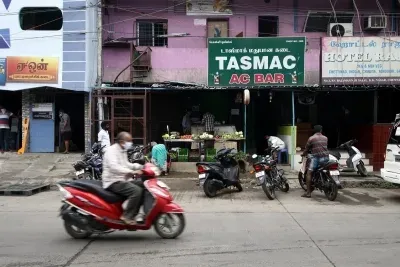
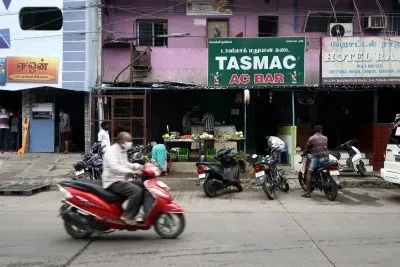
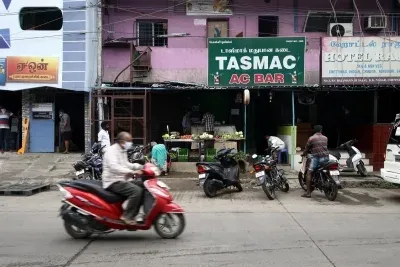
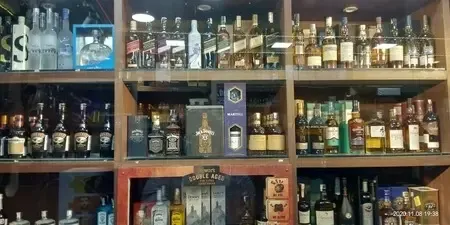
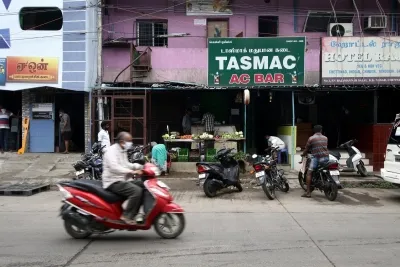
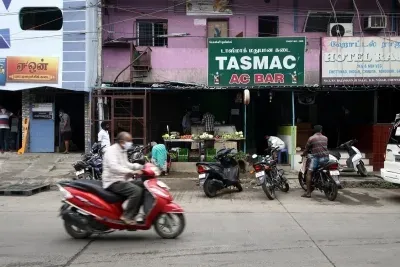
TASMAC holds a monopoly over retail sale of Indian-made foreign liquor across Tamil Nadu, a structure that has long made it central to the state's fiscal architecture. Analysts note that even a modest shift in sales volumes or tax rates can materially alter overall state receipts. This comes amid a broader national conversation about state governments' growing dependence on sin taxes — alcohol and lotteries — to fund welfare expenditure. Notably, Tamil Nadu is not alone: several large states have seen liquor revenues rise sharply post-pandemic as consumption patterns normalised and excise structures were revised upward.
Social Concerns and Political Criticism
The record revenue figure arrives alongside persistent criticism of TASMAC's retail operations. Political parties, civil society groups, and community activists have repeatedly raised concerns about the density of liquor outlets, bar functioning, and the broader social costs of alcohol accessibility. Critics argue that the fiscal incentive to maximise TASMAC revenue structurally conflicts with stated prohibition and public health goals. The state government has not announced any reduction in outlet numbers or changes to the retail model in the current policy cycle.
What to Watch
If the projected 5.3% growth for 2026-27 materialises, TASMAC's annual revenue will move further above its historic threshold, deepening the state's fiscal reliance on liquor income. Any policy shift — including partial prohibition measures, outlet rationalisation, or changes to VAT rates — could have an outsized impact on Tamil Nadu's budget arithmetic, given that TASMAC now accounts for more than a quarter of the state's own tax base.
Point of View
845 crore, TASMAC revenue is too large to unwind without a fiscal crisis, which means any serious prohibition push would require Tamil Nadu to find an equivalent revenue substitute — something no administration has yet credibly proposed. The social cost accounting, meanwhile, remains entirely absent from the policy note.
NationPress
1 Sept 2026
Frequently Asked Questions
What is TASMAC and why does its revenue matter?
TASMAC, or the Tamil Nadu State Marketing Corporation, is the state-owned monopoly retailer of Indian-made foreign liquor across Tamil Nadu. Its revenue matters because it now accounts for nearly 26% of the state's own tax collections, making it one of the single largest contributors to Tamil Nadu's fiscal base.
How much revenue did TASMAC collect in 2025-26?
TASMAC collected ₹50,845 crore in 2025-26, crossing the ₹50,000 crore mark for the first time. This was a rise of ₹2,464 crore, or about 5%, over the ₹48,381 crore recorded in 2024-25.
What are the main components of TASMAC's revenue?
Value-added tax (VAT) is the largest component, contributing ₹39,010 crore in 2025-26. Excise duty accounted for ₹11,836 crore. Together these two heads make up the bulk of TASMAC's total receipts.
What is the revenue outlook for TASMAC in 2026-27?
The Home, Prohibition and Excise Department projects TASMAC revenue to grow by 5.3% in 2026-27. In the first four months of the year, collections already stood at ₹17,855 crore, averaging more than ₹4,460 crore a month.
Why is TASMAC's growing revenue controversial?
Critics, including political parties and civil society groups, argue that the state's fiscal dependence on liquor sales creates a structural disincentive to pursue genuine prohibition or reduce alcohol accessibility. The record revenue figure comes even as concerns about the social consequences of TASMAC's retail density continue to be raised publicly.