Commercial LPG, ATF prices hiked from September 1: What it means for airlines and consumers
Synopsis
India's energy costs jumped on multiple fronts on 1 September — commercial LPG up ₹9.50, ATF up 5.46% to ₹121.28 a litre, and Mumbai CNG up ₹2 a kg. The simultaneous hikes, driven by Middle East-linked gas price pressures, signal that the brief mid-summer fuel relief is firmly over — and could reignite airfare and CNG surcharge debates.
Key Takeaways
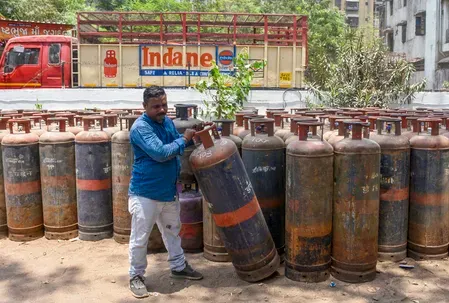
19-kg commercial LPG cylinders hiked by ₹9.50 by state-owned OMCs, effective 1 September .
ATF prices raised 5.46% from ₹115 to ₹121.28 per litre — the second consecutive monthly hike.
Mumbai CNG up ₹2 per kg to ₹88 ; domestic PNG up ₹1 per SCM , both from 1 September .
Mahanagar Gas Ltd (MGL) cited Middle East crisis-driven surge in international gas input prices.
Jet fuel accounts for 35–40% of domestic airline operating costs; fare pressure may follow.
The Petroleum and Natural Gas Ministry had set combined LPG production targets of 63,810 tonnes per day across 21 refineries in August.
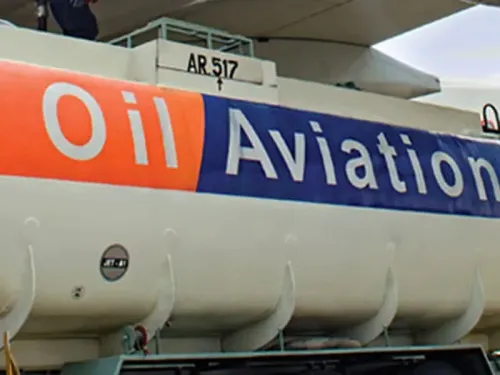
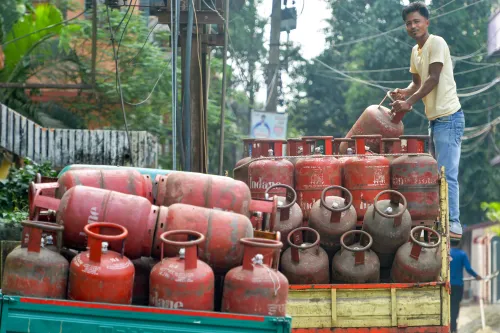
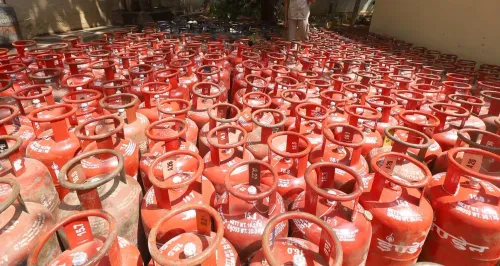
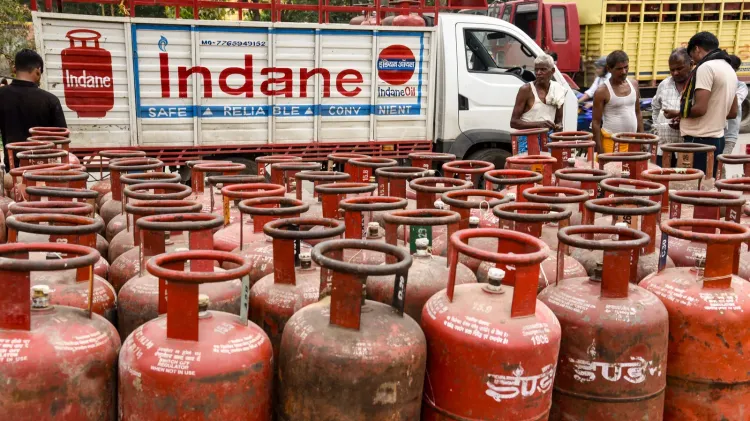
State-owned oil marketing companies (OMCs) on 1 September raised prices of 19-kg commercial LPG cylinders by ₹9.50, while aviation turbine fuel (ATF) costs for domestic airlines climbed 5.46% — or ₹6.28 per litre — marking the second straight monthly increase in jet fuel rates.
ATF Hike: Second Consecutive Monthly Rise
The price of ATF has been revised upward from ₹115 per litre to ₹121.28 per litre, effective 1 September. This follows an earlier hike of ₹5 per litre in August, which itself came after a similar cut in July — signalling a reversal of the brief relief domestic carriers had received mid-summer.
Jet fuel accounts for roughly 35–40% of an airline's total operating expenditure in India, making ATF among the most consequential cost variables for carriers. The latest revision is expected to push up fuel bills for domestic airlines, and could exert upward pressure on airfares — though ticket prices are also shaped by passenger demand, route competition, and available network capacity.
Mumbai CNG and PNG Rates Also Revised Upward
Mahanagar Gas Ltd (MGL) has separately raised CNG prices in Mumbai by ₹2 per kg, bringing the new rate to ₹88 per kg. Domestic PNG prices have also been increased by ₹1 per standard cubic metre (SCM), with both revisions effective from 1 September.
MGL attributed the increases to a sharp rise in input gas costs linked to international price indices. 'In view of the ongoing crisis in the Middle East, which has resulted in a significant increase in input gas prices linked to international indices, MGL has announced a revision in the prices of CNG,' the company said in a statement.
Commercial LPG Hike Follows Government Production Mandate
The commercial LPG price revision comes days after the Petroleum and Natural Gas Ministry issued an order specifying maximum LPG production targets for 21 refineries and upstream companies. Combined daily production potential has been set at 63,810 tonnes. The directive, issued in August, covers both public- and private-sector refineries, and is seen as an effort to align supply with demand ahead of the festive season.
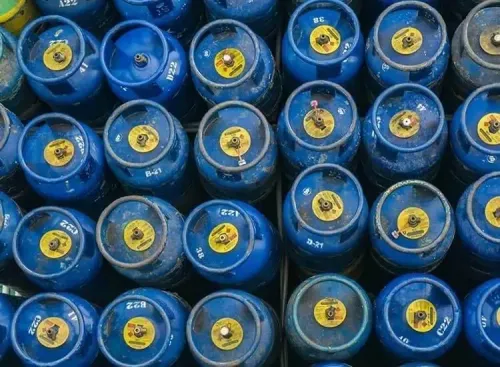
Notably, the commercial LPG hike affects hotels, restaurants, and small businesses that rely on the 19-kg cylinder — distinct from the subsidised 14.2-kg domestic cylinder used by households. The domestic cylinder price has not been revised in this round.
What This Means for Consumers and Businesses
The confluence of higher ATF, CNG, and commercial LPG prices on the same date points to a broader pass-through of elevated global energy costs onto Indian end-users. Middle East tensions have kept international gas benchmarks elevated, limiting the ability of domestic distributors to absorb input cost increases.
For commuters in Mumbai dependent on CNG-powered vehicles, the ₹2 per kg increase adds to a cost-of-living squeeze, while PNG-reliant households will see a modest uptick in monthly cooking gas bills. Airlines, already navigating thin margins, face a renewed squeeze on profitability — a dynamic that analysts say could revive discussions around fuel surcharges on domestic routes.
All eyes will now be on whether OMCs follow up with a revision to domestic LPG cylinder prices, and whether international energy prices stabilise or continue their upward trajectory through the quarter.
Point of View
A second consecutive monthly hike narrows the window for carriers to hold fares steady, particularly on price-sensitive short-haul routes. The government's simultaneous move to mandate LPG production targets at refineries suggests supply-side anxiety is real. What is missing from the official framing is any signal on demand-side relief — no subsidy extension, no targeted support for CNG-dependent small transport operators. If Middle East tensions persist through Q3, this round of hikes may look like the floor, not the ceiling.
NationPress
1 Sept 2026
Frequently Asked Questions
By how much have commercial LPG cylinder prices been hiked?
State-owned oil marketing companies have raised the price of 19-kg commercial LPG cylinders by ₹9.50, effective 1 September. This hike affects commercial users such as hotels, restaurants, and small businesses, not the subsidised 14.2-kg domestic household cylinder.
What is the new ATF price and why has it been hiked?
Aviation turbine fuel (ATF) has been revised from ₹115 per litre to ₹121.28 per litre — a 5.46% increase effective 1 September. This is the second consecutive monthly hike, following a ₹5 per litre increase in August that reversed a similar July cut, driven by elevated global energy costs.
Why has Mahanagar Gas Ltd raised CNG and PNG prices in Mumbai?
MGL raised CNG prices by ₹2 per kg to ₹88 and domestic PNG by ₹1 per SCM, citing a sharp rise in input gas prices linked to international indices amid the ongoing Middle East crisis. Both revisions took effect on 1 September.
Will airfares go up because of the ATF hike?
The ATF hike is expected to increase fuel costs for domestic airlines, which could put upward pressure on airfares. However, ticket prices also depend on passenger demand, competition, and available network capacity, so any fare increase is not automatic.
What production targets has the government set for LPG refineries?
The Petroleum and Natural Gas Ministry in August specified maximum LPG production levels for 21 refineries and upstream companies, with a combined production potential of 63,810 tonnes per day. The directive covers both public- and private-sector entities.