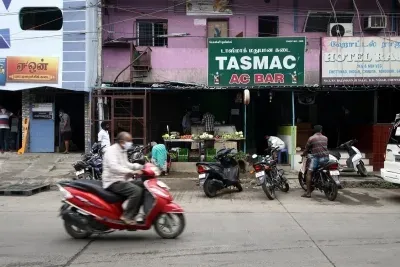
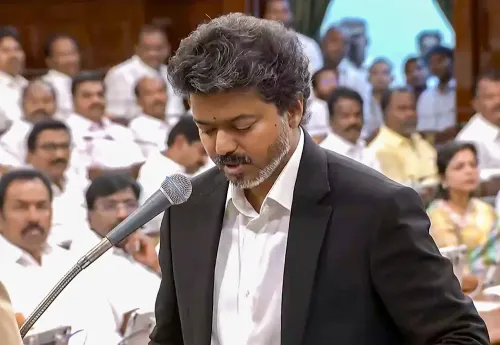
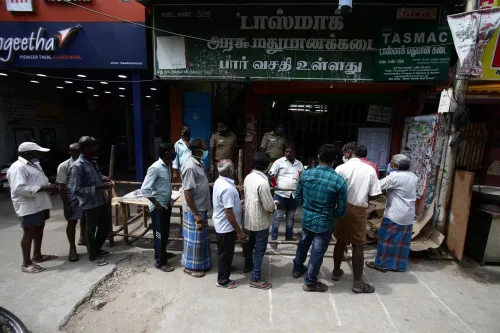
Tamil Nadu rules out TASMAC privatisation, defends closure of 717 liquor shops

Synopsis
The Vijay government in Tamil Nadu has shut 717 revenue-generating TASMAC liquor shops — some clocking ₹25 lakh in daily sales — and now faces a projected ₹7,000–₹8,000 crore annual revenue hole. Minister Vignesh insists it is a deliberate social policy, not a step toward privatisation, and has hinted at damaging revelations about the previous administration's handling of TASMAC.
Key Takeaways
Tamil Nadu Prohibition and Excise Minister Vignesh ruled out privatisation of TASMAC on 6 June 2025 .
The Vijay government has closed 717 TASMAC liquor shops , all of which were revenue-generating outlets.
Some shuttered shops recorded daily sales of up to ₹25 lakh ; the lowest-performing generated around ₹5 lakh per day.
Estimated annual revenue loss from the closures stands at ₹7,000–₹8,000 crore , according to the minister.
The government has alleged large-scale irregularities in TASMAC under the previous administration and hinted at further disclosures.
Further TASMAC outlet closures remain under consideration based on revenue patterns and compliance reviews.
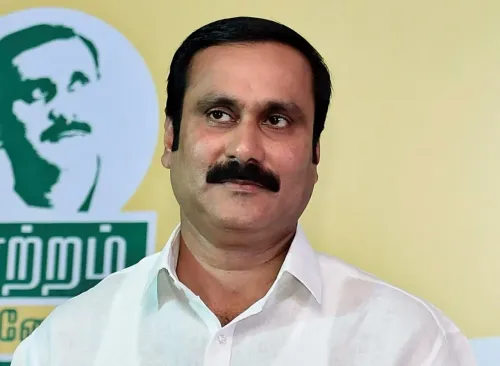
Tamil Nadu Prohibition and Excise Minister Vignesh on Saturday, 6 June categorically ruled out any privatisation of the state-run Tamil Nadu State Marketing Corporation (TASMAC), while vigorously defending the Vijay government's decision to shut 717 liquor outlets as part of a phased strategy to reduce the state's dependence on alcohol revenue. The minister's remarks came in response to mounting opposition criticism over both the closures and speculation about TASMAC's future ownership structure.
No Privatisation on the Table
Addressing reporters, Minister Vignesh dismissed allegations that the government intended to hand over TASMAC operations to private players. 'There is no proposal to privatise TASMAC,' he stated, reaffirming that the administration would continue regulating liquor sales through the state-run network. The clarification comes amid persistent opposition claims that the closures were a precursor to privatisation — an assertion the minister flatly rejected.
Why These 717 Shops Were Different
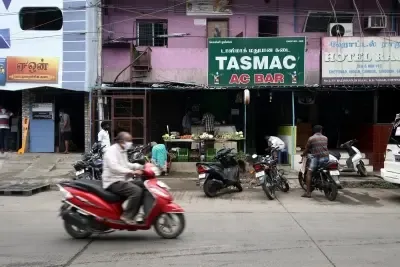
Vignesh drew a pointed distinction between the current government's closures and those undertaken by previous administrations. He argued that earlier regimes had primarily shut down underperforming outlets and shops without attached bars, resulting in negligible revenue loss. By contrast, he said, the 717 TASMAC outlets shuttered by the present government were active, revenue-generating shops. 'Some of these shops recorded daily sales of up to ₹25 lakh, while even the lowest-performing among them generated around ₹5 lakh a day,' the minister said. The cumulative annual revenue impact of the closures is estimated at between ₹7,000 crore and ₹8,000 crore, according to the minister — a figure that underscores the political weight of the decision.
A Policy Commitment Despite Revenue Hit
The closure of 717 liquor shops was among the first major policy moves announced by the Vijay government after assuming office, framed as the opening step in a broader, phased plan to reduce the number of outlets statewide and address public concerns over alcohol consumption and its social consequences. Despite the significant revenue implications, Vignesh said the government remained firm on its policy objectives, signalling that financial considerations would not override the administration's stated social goals.
Allegations Against Previous Administration
The minister also went on the offensive against the previous government, alleging large-scale irregularities in TASMAC's operations. He claimed that the administration had already uncovered significant issues and hinted that further revelations could emerge. 'We have been in office for only about 20 days and are proceeding cautiously. But if necessary, we will place all the facts before the public. Those responsible for wrongdoing should remain silent rather than attempt to mislead people,' Vignesh said. The government has not yet disclosed the specifics of the alleged irregularities.
What Comes Next
Minister Vignesh indicated that the government would continue reviewing TASMAC's operations, with further action against additional outlets possible based on revenue patterns, compliance issues, and policy priorities. The review, still in its early stages given the government's short tenure, is expected to shape Tamil Nadu's liquor policy trajectory in the months ahead.
Point of View
000–₹8,000 crore annual revenue hit in exchange for social credibility on liquor reduction — a trade-off that previous Tamil Nadu governments consistently refused to make. The distinction the minister draws is significant: these were not marginal outlets but high-turnover shops, making the closure a genuine fiscal sacrifice rather than a cosmetic gesture. What remains unresolved is whether the state can sustainably plug that revenue gap, and whether the promised 'phased strategy' has a credible endpoint or will stall under fiscal pressure. The allegations of irregularities against the previous administration, floated without specifics, look like political insurance — useful for deflecting scrutiny, but requiring substantiation to carry weight.
NationPress
21 Oct 2026
Frequently Asked Questions
Is Tamil Nadu planning to privatise TASMAC?
No. Tamil Nadu Prohibition and Excise Minister Vignesh categorically stated on 6 June 2025 that there is no proposal to privatise TASMAC. The government says it will continue regulating liquor sales through the state-run network.
Why did the Vijay government close 717 TASMAC shops?
The closures are part of a phased policy to reduce the number of liquor outlets across Tamil Nadu and address public concerns over alcohol consumption and its social impact. The government has described it as one of its first major policy moves after assuming office.
How much revenue has Tamil Nadu lost due to the TASMAC closures?
Minister Vignesh estimated the annual revenue impact at between ₹7,000 crore and ₹8,000 crore. The closed outlets were active shops, with some recording daily sales of up to ₹25 lakh and the lowest-performing generating around ₹5 lakh per day.
How do the current closures differ from those under previous governments?
According to Minister Vignesh, earlier administrations primarily shut underperforming outlets and shops without attached bars, resulting in minimal revenue loss. The 717 shops closed by the Vijay government were all revenue-generating, making the fiscal impact substantially larger.
What allegations has the Vijay government made against the previous administration over TASMAC?
Minister Vignesh alleged large-scale irregularities in TASMAC's operations under the previous government and indicated that further revelations could emerge. He did not disclose specific details, but warned that the government would place facts before the public if necessary.