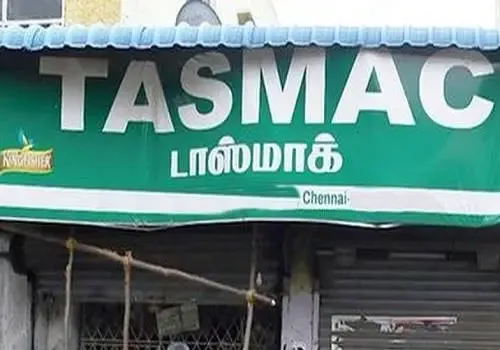
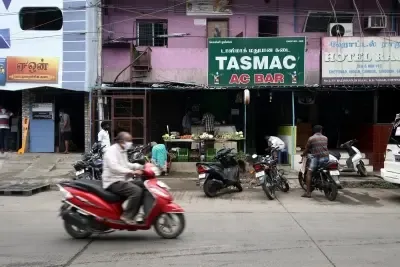
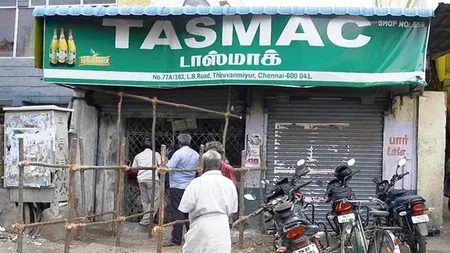
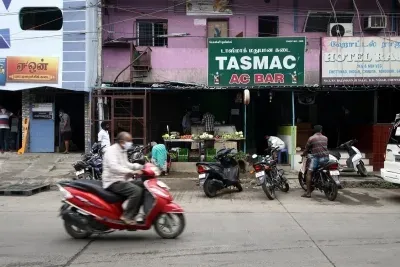
TASMAC bars reopen in Tamil Nadu after 2-month contract extension
Synopsis
Thousands of TASMAC-attached bars in Tamil Nadu went dark on 2 July after contracts expired with no renewal in place — a lapse that exposed a governance gap in a state-controlled liquor supply chain. A two-month stopgap has now been approved, but a parallel crackdown on forged building approvals and licencing documents means not every bar that reopens today is guaranteed to stay open.
Key Takeaways
Tamil Nadu government approved a two-month extension of private bar contracts attached to TASMAC outlets at a meeting on 7 July 2025 .
Bars had been shut since 2 July after the previous six-month extension — itself granted due to the Tamil Nadu Assembly election — expired on 30 June .
The Bar Owners' Association confirmed all TASMAC-linked bars would resume operations from Tuesday, 8 July .
TASMAC is simultaneously scrutinising bar premises for valid planning approvals from the GCC , CMDA , and DTCP .
Bars found operating with forged or invalid documents face licence cancellation and legal action.
Fresh tenders for the next contract period are expected to be completed within the two-month interim window.
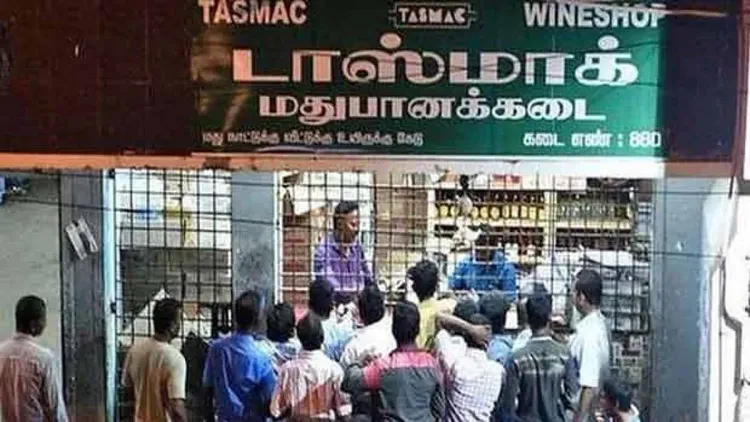
Thousands of bars attached to Tamil Nadu State Marketing Corporation (TASMAC) liquor outlets across Tamil Nadu resumed operations on Tuesday, 8 July 2025, after the state government granted a two-month extension to private bar operators whose contracts had lapsed. The decision was taken at a high-level meeting chaired by the minister concerned at the Secretariat in Chennai on Monday, 7 July, ending a closure that had lasted several days.
Why the Bars Were Shut
The contracts for privately operated bars attached to TASMAC retail outlets are normally awarded for two-year terms. The latest cycle had originally concluded in December 2025, but the government had granted a six-month extension in view of the Tamil Nadu Assembly election. That extended term expired on 30 June, and with neither a renewal nor fresh tenders issued before the deadline, the government ordered all TASMAC-attached bars to shut from 2 July.
What the Government Decided
At Monday's meeting, the government resolved to grant a temporary two-month extension to existing operators while simultaneously initiating the process for fresh tenders covering the next contract period. The Bar Owners' Association confirmed the development after the meeting, stating that all affected establishments would reopen from Tuesday. The association had earlier met TASMAC officials to press for relief, arguing that an abrupt, prolonged closure would result in severe financial losses for operators and their employees.
Regulatory Scrutiny Running in Parallel
The interim relief comes even as TASMAC has intensified compliance checks across the state. The corporation recently directed officials to verify the legal status of buildings housing bars, following complaints — particularly in Chennai — that several establishments were operating without valid planning approvals from the Greater Chennai Corporation (GCC), the Chennai Metropolitan Development Authority (CMDA), or the Directorate of Town and Country Planning (DTCP).
Separately, TASMAC ordered a review of documents submitted during the bar-licencing process after allegations emerged that forged planning permissions, land-use approvals, and structural stability certificates had been used to secure operating permits. The corporation warned that bars found operating with fabricated or invalid documents face licence cancellation and legal action.
What Happens Next
With the two-month window now in effect, the government is expected to complete the fresh tender process before the interim extension lapses. Regulatory scrutiny of licencing compliance and building safety norms at TASMAC-linked bars is set to continue in parallel. The outcome of the document-verification drive could result in licence cancellations at some establishments even as the broader sector resumes normal operations.
Point of View
The tender process could have been initiated months earlier, and the closure disrupted livelihoods across a sector that employs a significant number of workers. The two-month extension is a pragmatic patch, not a fix. More telling is what runs alongside it: a compliance drive revealing that forged building approvals and fabricated licencing documents may be widespread in the system. That is the bigger story — and it raises questions about how rigorously TASMAC has been vetting operators all along.
NationPress
6 Oct 2026
Frequently Asked Questions
Why were TASMAC bars closed in Tamil Nadu?
TASMAC-attached bars were closed from 2 July 2025 after private operator contracts expired on 30 June and the government neither renewed them nor issued fresh tenders in time. The contracts had already received a six-month extension earlier due to the Tamil Nadu Assembly election.
When will TASMAC bars reopen?
TASMAC-attached bars across Tamil Nadu resumed operations from Tuesday, 8 July 2025, following the government's decision to grant a two-month contract extension to existing operators.
What is the two-month extension for TASMAC bars?
It is a temporary measure allowing current private bar operators to continue running bars attached to TASMAC outlets for two more months while the government initiates a fresh tender process for the next contract period.
What compliance action is TASMAC taking against bars?
TASMAC is verifying whether bar premises hold valid planning approvals from the GCC, CMDA, or DTCP. It has also ordered a review of licencing documents after allegations that some operators used forged permissions and structural certificates to obtain permits. Bars with invalid or fabricated documents face licence cancellation and legal action.
Who are the Bar Owners' Association and what did they demand?
The Bar Owners' Association represents private operators who run bars attached to TASMAC retail outlets. After the July 2 closure, the association met TASMAC officials and urged the government to extend existing contracts until fresh tenders could be completed, warning that an abrupt shutdown would cause significant financial losses for operators and employees.