Kejriwal to Hold Press Meet on E20 Petrol Push
Synopsis
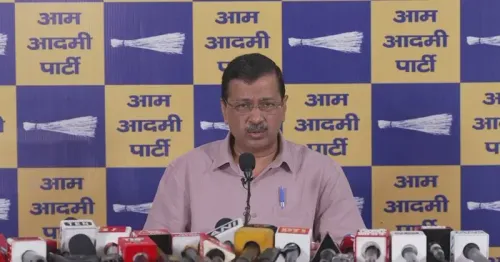
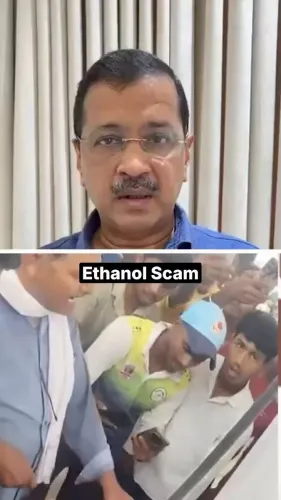
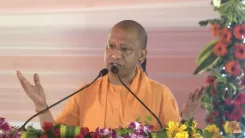
AAP convenor Arvind Kejriwal on 7 July 2026 accused the Modi government of forcibly imposing E20 petrol despite public opposition, alleging lies and 'all kinds of tactics,' and called a press conference at noon to detail AAP's objections to the ethanol blending rollout.
Key Takeaways
AAP convenor Arvind Kejriwal accused the Modi government of imposing E20 petrol against strong public opposition on 7 July 2026 .
He alleged the government is 'lying and using all kinds of tactics' to push through the E20 petrol policy.
Kejriwal announced a press conference at 12 noon to formally present AAP's case against the rollout.
The National Policy on Biofuels, 2018 set the foundation for ethanol blending; in 2021 , the target was advanced from 2030 to 2025 .
Key concerns among vehicle owners include engine compatibility, mileage loss, and pricing transparency at pumps.
Sugarcane farmers and sugar mills are among the primary beneficiaries of higher ethanol offtake under the programme.
AAP convenor Arvind Kejriwal on Tuesday, 7 July 2026, accused the Modi government of forcibly imposing E20 petrol on citizens despite strong public opposition, and announced a press conference at 12 noon to address the issue.
In his post, Kejriwal wrote: 'Modi sarkar logon ke zabardast virodh ke bawajood E20 petrol thop rahi hai' — ('The Modi government is imposing E20 petrol despite strong public opposition') — and alleged that the government is 'lying and using all kinds of tactics' to push through the policy.
Context
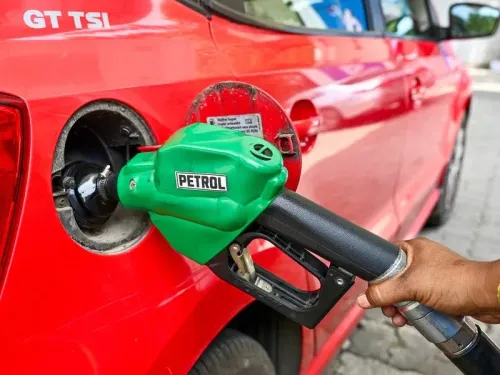
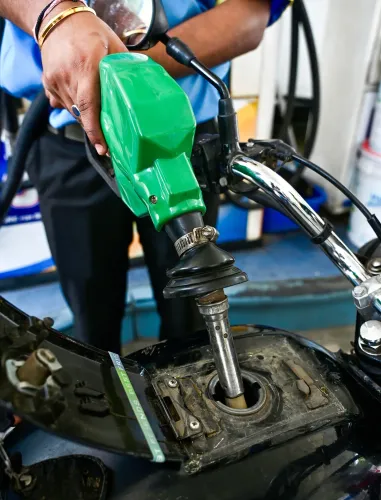
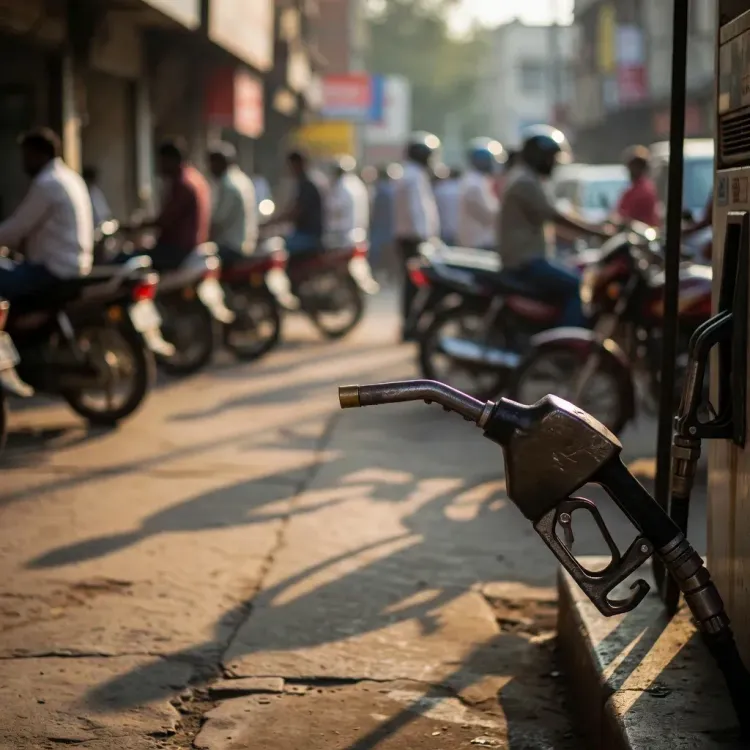
E20 petrol is a blend containing up to 20 per cent ethanol mixed with conventional petrol. The Union government has positioned it as a key tool to reduce India's dependence on crude-oil imports, support sugarcane farmers, and improve urban air quality. Kejriwal's remarks signal that AAP intends to mount a sustained political challenge to the rollout.
The former Delhi Chief Minister has a history of opposing central fuel and taxation measures, particularly those affecting consumers in Delhi and Punjab, where AAP is in government or has a significant political presence.
Policy Backdrop
The roots of the E20 programme lie in the National Policy on Biofuels, 2018, approved by the Union Cabinet under Prime Minister Narendra Modi, which set progressive ethanol-blending targets linked to agricultural and energy-security goals. In 2021, the government advanced the target for 20 per cent ethanol blending from 2030 to 2025, accelerating the timeline by five years.
The Ethanol Blended Petrol (EBP) programme began pilot rollouts of E10 and E20 grades in selected cities from 2022 onward. Successive Indian governments have treated ethanol blending as a multi-objective instrument — lowering crude-oil import bills, supporting sugar-sector incomes, and meeting air-quality benchmarks simultaneously.
Stakeholders and Impact
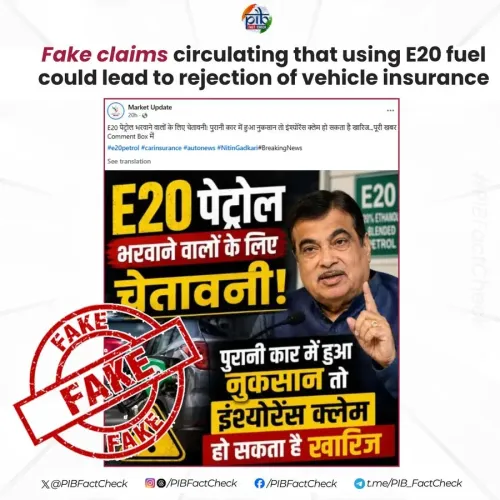
Vehicle owners have raised recurring concerns about engine compatibility with higher ethanol blends, potential mileage loss, and pricing transparency at fuel stations. Automobile manufacturers have flagged warranty implications for older vehicles not designed for E20-grade fuel.
On the other side, sugarcane farmers and sugar mills stand to benefit from higher ethanol offtake, while oil marketing companies face logistical and infrastructure adjustments to supply blended fuel across the country. The debate therefore cuts across consumer, agricultural, and industrial interests simultaneously.
What's Next
Kejriwal's 12 noon press conference on 7 July 2026 is expected to lay out AAP's specific objections to the E20 rollout, which may include data on consumer complaints, mileage impact, or allegations of misinformation by the central government. The party is likely to demand a rollback or at minimum a transparent public consultation before mandatory implementation.
Broader flashpoints to watch include nationwide mandatory E20 availability notifications, parliamentary questions on vehicle warranty impacts, and responses from state governments and automobile industry bodies. If AAP escalates the issue in the Delhi or Punjab assemblies, it could force a wider national debate on the pace and transparency of the ethanol blending programme.
Point of View
Particularly in urban constituencies where fuel costs and vehicle performance resonate strongly. By framing the issue not merely as a policy disagreement but as deliberate deception — 'lying and using all kinds of tactics' — AAP is attempting to shift the debate from technical merits to governmental credibility. The timing, ahead of a noon press conference, suggests a coordinated media strategy rather than a spontaneous reaction, indicating AAP views this as a durable campaign issue. Whether the party can sustain pressure will depend on how concretely it documents consumer grievances versus relying on rhetorical opposition.
NationPress
7 Jul 2026
Frequently Asked Questions
What is E20 petrol and why is the Indian government promoting it?
E20 petrol is a fuel blend containing up to 20 per cent ethanol and 80 per cent conventional petrol. The Indian government promotes it under the Ethanol Blended Petrol programme to reduce crude-oil import dependence, support sugarcane farmers, and lower vehicular emissions.
Why is Arvind Kejriwal opposing E20 petrol?
Kejriwal has accused the Modi government of imposing E20 petrol despite strong public opposition and alleged that the government is lying and using underhand tactics to push the policy through. He announced a press conference on 7 July 2026 to detail AAP's objections.
Does E20 petrol affect vehicle mileage and engine performance?
Vehicle owners and automobile manufacturers have raised concerns that higher ethanol blends can reduce fuel efficiency and may cause compatibility issues with older engines not designed for E20-grade fuel, potentially affecting warranty coverage.
When did India set the 20 per cent ethanol blending target?
The National Policy on Biofuels, 2018 established progressive ethanol blending targets. In 2021, the Union government advanced the 20 per cent blending target from 2030 to 2025, accelerating the rollout by five years.
Who benefits from the ethanol blending programme in India?
Sugarcane farmers and sugar mills benefit from higher ethanol offtake, while the broader economy gains from reduced crude-oil import bills. However, vehicle owners and automobile manufacturers have raised concerns about the impact on engines and fuel economy.