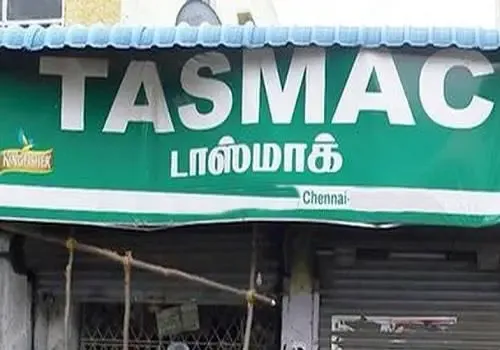
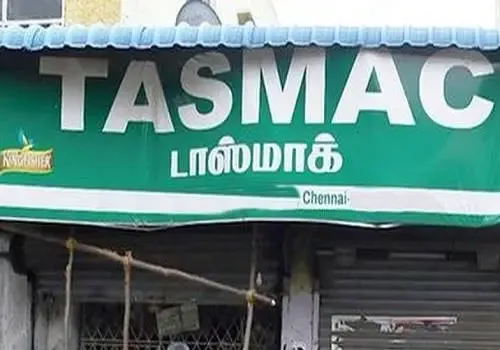
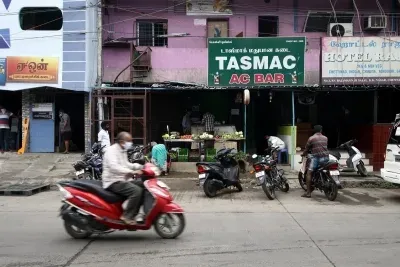
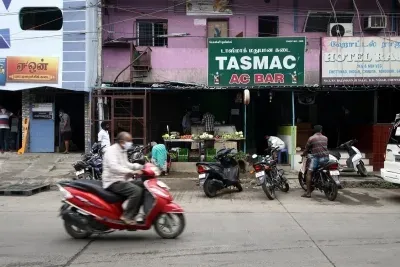
TASMAC to tighten bar licensing rules over fake building approvals
Synopsis
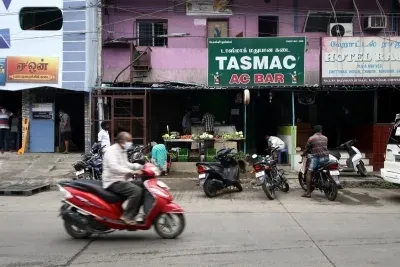
TASMAC is moving to close a glaring compliance gap: bars in Chennai have reportedly been running on forged building approvals, flouting a 2019 Madras High Court ruling. Monday's high-level meeting could amend up to 54 licensing rules, mandate document verification, and extend stricter norms to FL-2 clubs — the most significant overhaul of Tamil Nadu's bar licensing framework in years.
Key Takeaways
TASMAC is set to overhaul its bar licensing framework following allegations of forged building approval documents in Chennai .
A high-level meeting on Monday is expected to amend several of the existing 54 licensing rules .
The changes respond to a 2019 Madras High Court ruling requiring bars to operate only in buildings with lawful planning approval.
Existing bars may receive a three-month temporary extension to comply with the revised norms.
Stricter action is proposed against operators who submitted forged documents to obtain licences.
Revised norms are likely to be extended to FL-2 entertainment clubs as well.
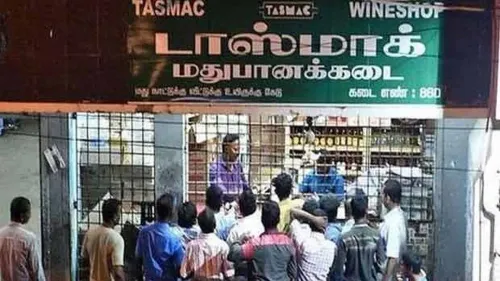
The Tamil Nadu State Marketing Corporation (TASMAC) is set to overhaul its bar licensing framework following allegations that several establishments in Chennai have been operating with forged or invalid building approval documents, according to official sources. A high-level TASMAC meeting scheduled for Monday is expected to finalise a series of regulatory changes aimed at strengthening compliance and aligning with a standing Madras High Court directive.
What Triggered the Crackdown
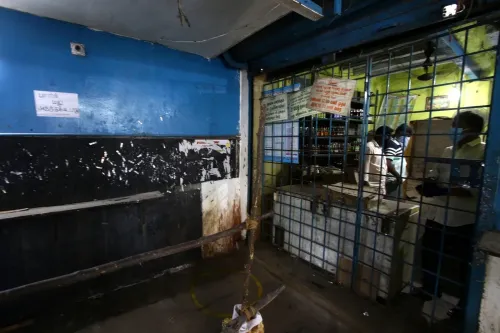
TASMAC has reportedly received complaints alleging that multiple bars attached to its liquor outlets in Chennai are housed in buildings that lack valid planning approvals from either the Greater Chennai Corporation or the Chennai Metropolitan Development Authority (CMDA). In some cases, operators are alleged to have submitted forged documents to secure bar licences — a violation that officials say poses direct safety risks to customers if the buildings are structurally unsound or unauthorised.
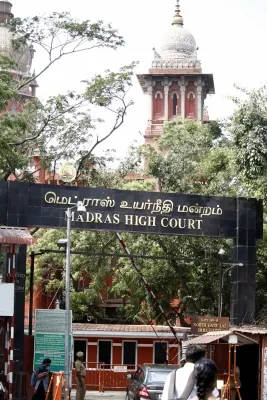
The proposed tightening also responds to a 2019 Madras High Court ruling that held bars could only be permitted in buildings with lawful planning approval, and directed authorities to verify both the legal status of the building and the land before issuing any licence. Officials have noted that granting licences in contravention of this directive could amount to contempt of court.
Key Changes on the Table
According to sources, the revised framework is expected to amend several provisions among the existing 54 licensing rules. Under the proposed norms, officials will be required to rigorously verify planning approvals issued by the Greater Chennai Corporation, CMDA, or the Directorate of Town and Country Planning (DTCP), as well as clearances from the Fire and Rescue Services department and the Food Safety Department.
A key proposed provision would make it mandatory that no licence be issued to any bar operating from an unauthorised building. The revised norms are also likely to be extended to FL-2 entertainment clubs, broadening the scope of the regulatory overhaul beyond standalone bars.
Transition Period for Existing Bars
To avoid abrupt disruptions, TASMAC is likely to grant currently operating bars a three-month temporary extension while the amended rules are put in place. This window is expected to allow operators time to obtain and submit the requisite statutory documents — including valid planning permissions, land use approvals, and building stability certificates — from competent authorities.
The meeting is also expected to discuss changes to the tender process for operating bars, signalling a wider review of how TASMAC manages its licensed premises.
Action Against Forged Documents
Sources indicated that the Monday meeting will also deliberate on stricter penal action against operators found to have submitted fraudulent documents. The move comes as TASMAC seeks to close a compliance gap that has, according to reports, allowed bars in potentially unsafe structures to continue functioning under licences obtained through irregular means.
The outcome of the Monday meeting is expected to set the tone for a broader regulatory reset across TASMAC-affiliated bars in Tamil Nadu.
Point of View
The failure is not just with operators who submitted fake documents but with the verification machinery that accepted them. A three-month grace period is a reasonable transition, but without an independent audit mechanism and clear penalties, amended rules risk becoming another paper compliance exercise. The extension to FL-2 clubs is the right call, but the real test is enforcement, not rulemaking.
NationPress
5 Oct 2026
Frequently Asked Questions
Why is TASMAC tightening bar licensing rules?
TASMAC is tightening its bar licensing rules after receiving complaints that several bars in Chennai are operating in buildings without valid planning approvals, and that some operators allegedly submitted forged documents to obtain licences. The move also aims to enforce a 2019 Madras High Court directive requiring bars to function only in legally approved buildings.
What does the 2019 Madras High Court ruling say about bar licences?
The 2019 Madras High Court ruling held that bars can only be permitted in buildings that have received lawful planning approval. It directed the relevant authorities to verify both the legal status of the building and the land before granting any bar licence.
Which documents will bars need to submit under the revised rules?
Under the proposed framework, bars will be required to submit valid planning permissions, land use approvals, and building stability certificates from authorities such as the Greater Chennai Corporation, CMDA, or DTCP, along with clearances from the Fire and Rescue Services and the Food Safety Department.
Will existing bars be shut down immediately?
No. TASMAC is likely to grant existing bars a three-month temporary extension to allow operators time to obtain and submit the required documents before the revised rules come into full effect.
Who else will the new licensing norms apply to?
Beyond bars attached to TASMAC liquor outlets, the revised norms are expected to be extended to FL-2 entertainment clubs. Changes to the tender process for operating bars are also likely to be discussed at the Monday meeting.