Telangana CM Revanth Reddy, Arvind Subramanian chart AI-driven GST revenue plan
Synopsis
Telangana is betting on AI to fix a problem most states prefer to ignore — GST leakage and inter-departmental data silos. With Arvind Subramanian in the room, the state's plan to link construction permits, MeeSeva records, and excise data into a unified compliance layer is one of the more credible state-level tax-tech moves in recent memory.
Key Takeaways
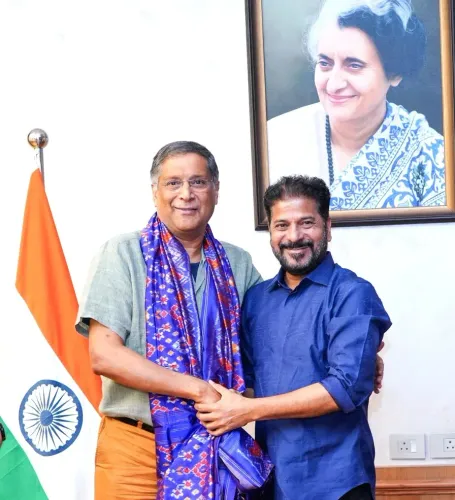
Revanth Reddy met former Chief Economic Advisor Arvind Subramanian on 7 August at the MCRHRD Institute, Hyderabad .
AI will be deployed to plug loopholes in the GST system and prevent revenue leakage across state departments.
Coordination will be established among six departments : Municipal, RERA, Panchayat Raj, Electricity, Finance, and Commercial Taxes.
Construction material tax data will be captured at the initial application stage for large projects and integrated with MeeSeva , Arogyasri , and the CM Relief Fund .
The initiative is designed to boost revenue without adding compliance burdens on businesses, per both Revanth Reddy and Subramanian.
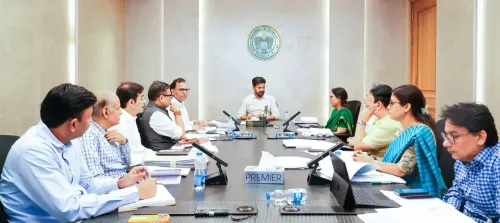
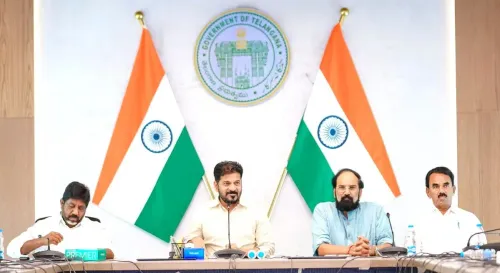
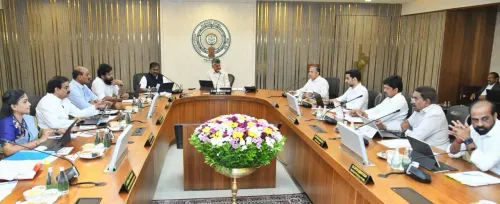
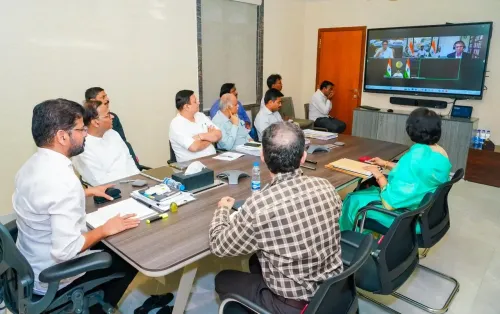
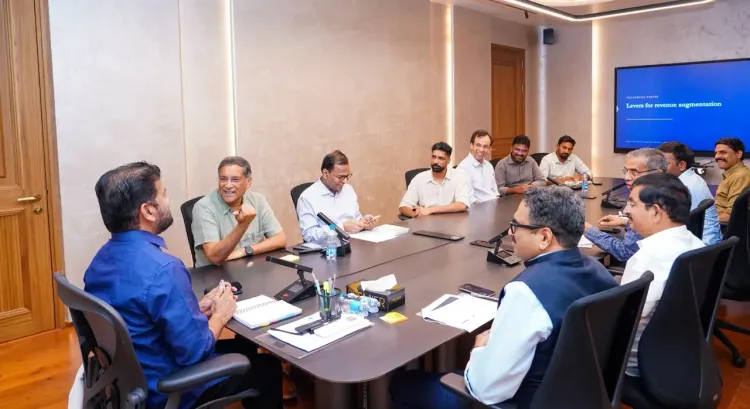
Telangana Chief Minister A. Revanth Reddy on Friday, 7 August held extensive discussions with former Chief Economic Advisor Arvind Subramanian on harnessing Artificial Intelligence to strengthen the state's revenue base, with a particular focus on plugging leakages in the GST and Excise systems. The meeting took place at the Bodhi Pavilion within the MCRHRD Institute in Hyderabad.
What the Discussions Covered
According to the Chief Minister's Office, the talks centred on deploying AI to close loopholes in the GST framework and strengthen coordination across departments to prevent revenue leakage. Reforms required in the GST and Excise departments were specifically examined. Revanth Reddy stated that a dedicated system would be introduced to streamline processes for GST officials using specialised AI-driven data, creating a structured pathway to boost state revenue.
The Chief Minister was explicit that the overhaul must not translate into compliance burdens for businesses. Subramanian reinforced this, noting that technology deployment should improve the 'Ease of Doing Business' while simultaneously growing the state exchequer's receipts.
AI-Assisted Cross-Department Coordination
A key proposal that emerged from the meeting was establishing AI-assisted coordination among the Municipal, RERA, Panchayat Raj, Electricity, Finance, and Commercial Taxes departments. The primary objective is to curb revenue leakage linked to building and construction materials — a sector historically prone to under-reporting.
Revanth Reddy directed that details on construction material requirements and corresponding tax estimates be recorded at the initial application stage for large-scale building projects and contract works. He also noted that integrating this data with information drawn from MeeSeva, Arogyasri, and the CM Relief Fund would sharpen administrative efficiency and reduce duplication.
Why This Matters for Telangana
Telangana's economy has expanded rapidly since statehood, yet revenue mobilisation has not always kept pace with expenditure demands. GST compliance gaps and excise leakages remain persistent fiscal pressure points. This initiative, if implemented, would represent one of the more ambitious state-level applications of AI for tax administration in India — placing Telangana alongside early movers such as Maharashtra and Karnataka in technology-led revenue governance.
Notably, Subramanian's involvement lends the exercise considerable analytical credibility; as Chief Economic Advisor from 2014 to 2018, he was closely associated with the original design debates around the GST architecture.
Key Officials Present
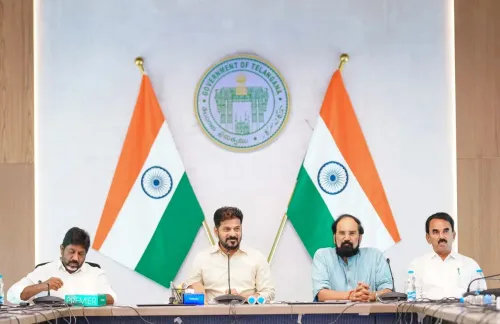
The meeting was attended by CM's Advisor K. Ramakrishna Rao, Chief Secretary Sanjay Jaju, Commercial Taxes and Excise Secretary Raghunandan Rao, and Excise Commissioner Hari Kiran, among other senior officials.
A formal strategy document and implementation roadmap are expected to follow, with the AI-integration framework set to be developed in coordination with the departments identified in Friday's meeting.
Point of View
Which Indian states have promised and underdelivered on repeatedly. Subramanian's presence signals intellectual seriousness; what the plan still needs is a public implementation timeline and an independent audit mechanism. Without those, it risks becoming another well-intentioned reform that stalls at the pilot stage.
NationPress
7 Aug 2026
Frequently Asked Questions
What did Telangana CM Revanth Reddy and Arvind Subramanian discuss?
They discussed using Artificial Intelligence to strengthen Telangana's GST and Excise revenue systems, specifically to plug compliance loopholes and prevent revenue leakage across departments. The meeting was held on 7 August at the MCRHRD Institute in Hyderabad.
How will AI be used in Telangana's GST system?
AI-driven data tools will be introduced to streamline processes for GST officials and enable cross-departmental coordination among six agencies — Municipal, RERA, Panchayat Raj, Electricity, Finance, and Commercial Taxes — primarily to curb leakage related to building and construction materials.
Will businesses face additional compliance burdens under this plan?
Chief Minister Revanth Reddy explicitly stated that the new system must not create hindrances for businesses. Arvind Subramanian echoed this, saying the technology deployment should improve the 'Ease of Doing Business' while growing state revenues.
Who attended the meeting with Telangana CM and Arvind Subramanian?
Key attendees included CM's Advisor K. Ramakrishna Rao, Chief Secretary Sanjay Jaju, Commercial Taxes and Excise Secretary Raghunandan Rao, and Excise Commissioner Hari Kiran, among other senior officials.
Why is Arvind Subramanian significant to this discussion?
Arvind Subramanian served as Chief Economic Advisor to the Government of India from 2014 to 2018 and was closely involved in early GST design debates. His involvement lends the Telangana initiative analytical credibility and signals that the reform effort is grounded in established economic thinking.