Tamil Nadu to train 22,500 EV mechanics in 5-year skill push
Synopsis
Tamil Nadu is betting ₹3 crore and five years to retrain 22,500 mechanics — 12,500 of them roadside — for an EV-dominated future. The programme, born from mechanics' own pre-Budget appeals, is one of the most direct state-level acknowledgements that India's ICE-trained workforce needs structural support, not just welfare, to survive the electric transition.
Key Takeaways
Tamil Nadu will train 22,500 people , including 12,500 roadside mechanics , in EV servicing over five years .
The scheme was announced in the 2026-27 Revised Budget with an allocation of ₹3 crore for the current financial year.
Training will cover battery maintenance, fault diagnosis, high-voltage safety, and modern diagnostic equipment.
The proposal arose from representations by mechanics at a pre-Budget meeting with Minister J.
The programme aligns with the TVK manifesto pledge of ₹10,000 financial assistance for mechanics seeking EV certification.
A professional training partner and detailed guidelines are yet to be finalised before the formal launch.
The Tamil Nadu government is set to launch a specialised skill development programme to train 22,500 people — including 12,500 roadside two-wheeler and four-wheeler mechanics — in electric vehicle (EV) servicing over the next five years. The initiative, announced in the 2026-27 Revised Budget, carries an allocation of ₹3 crore for the current financial year and marks one of the state's most direct interventions to future-proof its traditional automobile workforce against the shift to electric mobility.
What the Programme Covers
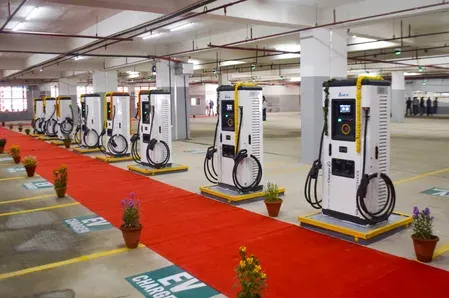
The training curriculum will include hands-on instruction in EV servicing, battery maintenance, fault diagnosis, safety procedures, and the operation of modern diagnostic equipment. Officials said particular emphasis will be placed on the safe handling of high-voltage electrical systems — a critical skill gap, given that most roadside mechanics have extensive experience with internal combustion engine (ICE) vehicles but limited exposure to battery packs, electric motors, and power electronics.
The Labour Department is currently in the process of selecting a professional training partner to design and deliver the courses. Detailed guidelines covering eligibility criteria, course duration, training centre locations, and batch sizes are expected to be issued before the scheme formally launches.
How the Idea Took Shape
According to Labour Department sources, the proposal emerged from representations made by conventional automobile mechanics at a pre-Budget consultation with Labour and Skill Development Minister J. Mohamed Farvas. Mechanics flagged that the rapid proliferation of electric two-wheelers and cars was eroding their livelihoods, and sought structured support to adapt.
The concern is well-founded: EV servicing requires a fundamentally different skill set — one centred on battery chemistry, power electronics, and diagnostic software — that is not transferable from ICE training alone.
Political and Policy Context
The programme also aligns with a commitment made in the ruling Tamilaga Vettri Kazhagam (TVK)'s Assembly election manifesto, which promised ₹10,000 in financial assistance to help traditional mechanics undergo EV training and earn certification. Officials indicated the new scheme is expected to complement that pledge while building a significantly larger pool of qualified technicians.
Notably, this initiative sits within Tamil Nadu's broader industrial strategy: the state has aggressively courted EV manufacturers and component suppliers, making the availability of trained service technicians a practical necessity — not just a welfare measure.
Wider Impact and What Comes Next
Officials said the programme is designed to ensure that traditional mechanics are not displaced as the automobile sector transitions toward cleaner technologies. Beyond employment protection, the government expects the trained workforce to support Tamil Nadu's expanding EV ecosystem and contribute to reducing vehicular pollution and petroleum dependence.
With guidelines and a training partner yet to be finalised, the programme's rollout timeline remains to be confirmed — but its inclusion in the Revised Budget signals that implementation is expected within the current financial year.
Point of View
And the government responded with a structural intervention rather than a one-time dole. That is a meaningful distinction. The harder question is whether five years and ₹3 crore can credibly reskill 22,500 people in a technology that is itself evolving rapidly. EV diagnostics in 2031 will look different from EV diagnostics today. Without a curriculum that builds adaptive technical literacy — not just current-model servicing — the programme risks producing mechanics who are already behind the curve by the time they graduate.
NationPress
6 Aug 2026
Frequently Asked Questions
What is the Tamil Nadu EV mechanic training programme?
It is a five-year skill development initiative announced in the 2026-27 Revised Budget to train 22,500 people — including 12,500 roadside two-wheeler and four-wheeler mechanics — in electric vehicle servicing. The programme has been allocated ₹3 crore for the current financial year.
Why is Tamil Nadu launching this EV training scheme?
The initiative addresses a critical skills gap: most roadside mechanics are trained on internal combustion engine vehicles and lack expertise in EV battery systems, power electronics, and high-voltage components. Mechanics themselves raised the concern at a pre-Budget meeting with the Labour and Skill Development Minister.
What will the EV training curriculum include?
The training will cover EV servicing, battery maintenance, fault diagnosis, safety procedures, and the use of modern diagnostic equipment, with a specific focus on safely handling high-voltage electrical systems.
How does this scheme connect to the TVK election manifesto?
The ruling TVK's Assembly election manifesto had promised ₹10,000 in financial assistance to help traditional mechanics undergo EV training and obtain certification. Officials say the new programme is designed to complement that commitment while building a larger pool of skilled technicians.
When will the programme launch?
A formal launch date has not been announced. The Labour Department is still selecting a training partner, and detailed guidelines on eligibility, course duration, and training centres are yet to be issued. Its inclusion in the Revised Budget suggests rollout is expected within the current financial year.