Japan PM Takaichi's piano-backed quake visit video sparks PR backlash
Synopsis
A piano-scored government video of PM Sanae Takaichi touring quake-hit Kumamoto has ignited a PR firestorm in Japan. With 38 dead and survivors still in shelters, critics argue the polished clip prioritises optics over empathy — and the backlash is landing just as Takaichi's Cabinet approval ratings are already in decline.
Key Takeaways
Japanese Prime Minister Sanae Takaichi visited Kumamoto Prefecture on Monday following a 7.1-magnitude earthquake that struck on 28 July .
The Prime Minister's Office posted a piano-backed video of the visit, drawing criticism on X as 'government PR' and 'using a disaster for political gain.' Chief Cabinet Secretary Minoru Kihara defended the video on Wednesday , calling it 'a concise summary' of the inspection.
The earthquake killed at least 38 people , including seven in the Aeon mall explosion in Kashima and nine at the paper plant in Yatsushiro .
The controversy adds pressure on Takaichi as her Cabinet approval ratings are reportedly on a steady decline.
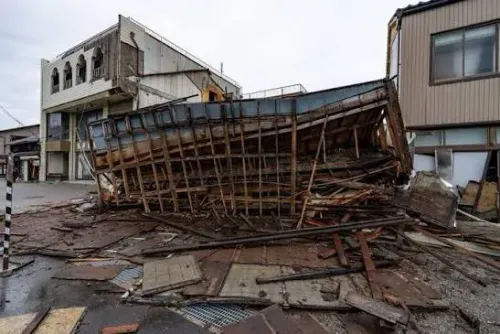
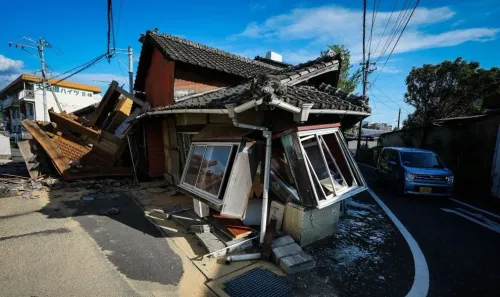
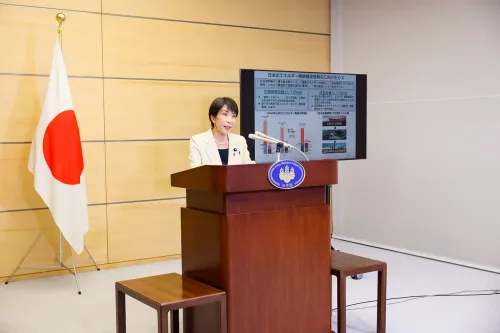
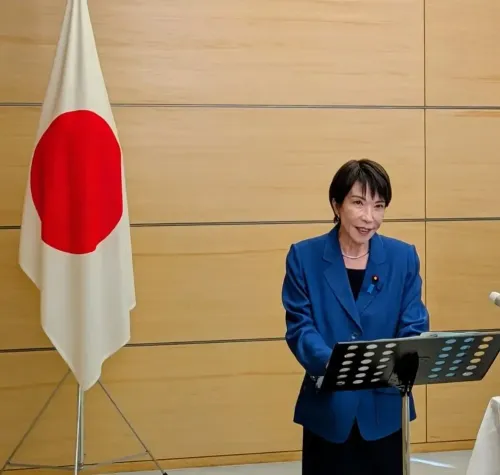
Japanese Prime Minister Sanae Takaichi is facing a wave of online criticism after her government's official account posted a piano-scored video recap of her visit to Kumamoto Prefecture, the region struck by a deadly 7.1-magnitude earthquake on 28 July. Critics on social media have labelled the clip a 'PR piece,' raising uncomfortable questions about the optics of disaster communication at a time when the death toll has climbed to 38.
What the Video Shows
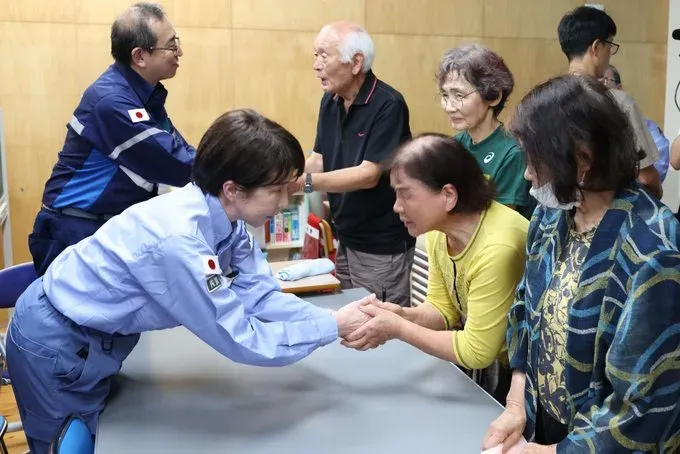
Set to a piano soundtrack, the clip documents Takaichi's Monday visit to quake-affected areas in southwestern Japan. It includes footage of the prime minister conducting an aerial survey of damaged zones by helicopter, meeting displaced residents, and inspecting an evacuation centre in the town of Hikawa, where she arrived wearing a disaster response uniform.
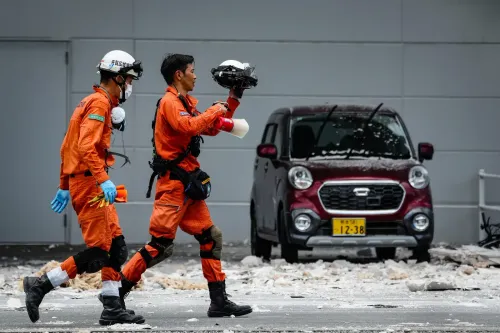
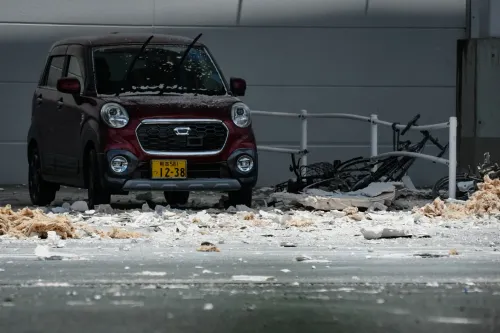
The video also captures her aerial view of the Aeon shopping mall in the town of Kashima, where an explosion following the quake killed seven people, and the paper plant in Yatsushiro, where nine people died. Aerial footage from public broadcaster NHK, captured on 28 July, had already shown severe structural damage — peeled exterior walls exposing steel framework, a partially collapsed roof, and a large hole visible on the rooftop.
The Online Backlash
The video drew sharp reactions on social media platform X. One user described the post — published on the Prime Minister's Office's official account — as 'government PR,' while another accused the Takaichi administration of 'using a disaster for political gain,' according to local media reports. The criticism centred on the perceived incongruity between a polished, music-backed production and the raw grief of earthquake survivors.
Government's Defence
At a regular press conference on Wednesday, Chief Cabinet Secretary Minoru Kihara pushed back against the criticism, calling the video 'a concise summary' of the prime minister's inspection. On the choice of background piano music, Kihara said it was 'a way of presenting the prime minister's inspection of the damage in a manner that is easy to understand.' Takaichi herself, during the visit, told affected residents: 'The government will do everything that it can do.'
Broader Political Context
The controversy arrives at a difficult moment for Takaichi. Recent opinion polls indicate a steady decline in her Cabinet's approval ratings, and the optics of a cinematic disaster video risk compounding that slide. This is not an isolated pattern — governments across the world have faced similar criticism when disaster-response communication is perceived as image management rather than accountability. Notably, the Kumamoto region has a painful history with major seismic events, having suffered a devastating earthquake in 2016 as well.
With the death toll at 38 and recovery operations ongoing, the debate over the video signals a deeper tension between political communication and the public expectation of sober, unmediated crisis leadership.
Point of View
Accessible recap; what it produced was a perception problem that opposition voices and social media are now amplifying. More significantly, this episode reveals a structural challenge for her government: with approval ratings already falling, even routine disaster-response optics are being read through a lens of distrust. The real issue is not the music — it is that the government appears to be managing its image at the same moment it should be seen managing the crisis. That gap, however narrow in reality, is politically costly.
NationPress
20 Sept 2026
Frequently Asked Questions
Why is Japan PM Takaichi's earthquake visit video controversial?
A video posted by the Prime Minister's Office showing PM Sanae Takaichi's visit to quake-hit Kumamoto Prefecture was set to piano music, leading social media users to criticise it as 'government PR' and accuse the administration of 'using a disaster for political gain.' Critics argued the polished, music-backed format was inappropriate given the scale of the disaster and the 38 lives lost.
What did Chief Cabinet Secretary Minoru Kihara say in defence of the video?
Kihara described the video as 'a concise summary' of the prime minister's inspection at a press conference on Wednesday. He explained that the piano music was 'a way of presenting the prime minister's inspection of the damage in a manner that is easy to understand.'
How deadly was the Kumamoto earthquake?
The 7.1-magnitude earthquake that struck Kumamoto Prefecture on 28 July has killed at least 38 people, according to the prefectural government. Among the deaths, seven people were killed in an explosion at the Aeon shopping mall in Kashima and nine died at a paper plant in Yatsushiro.
What is the current political situation for PM Takaichi?
PM Takaichi is facing a steady decline in her Cabinet's approval ratings, according to recent opinion polls. The video controversy adds to her mounting political challenges at a time when her government's crisis-management credibility is already under scrutiny.
Where exactly did PM Takaichi visit during her Kumamoto trip?
Takaichi visited an evacuation shelter in the town of Hikawa and conducted helicopter surveys over the Aeon shopping mall in Kashima and the paper plant in Yatsushiro — two sites that saw the highest death tolls from the earthquake and its aftermath.