PoK clashes death toll rises to 12; Bilawal questions Munir's role
Synopsis
Twelve people are now dead after Pakistani forces opened fire on protesters in PoK's Rawalakot — and the political shockwave has reached Islamabad, with PPP chief Bilawal Bhutto publicly questioning Army chief Asim Munir's role. With 4,000 Rangers deployed, a media blackout in place, and international bodies demanding a probe, Pakistan's six-week crackdown on its own occupied territory is fast becoming a crisis it can no longer contain quietly.
Key Takeaways
The death toll from PoK clashes between protesters and Pakistani security forces has risen to 12 , with reports emerging on Wednesday, 16 July 2025 .
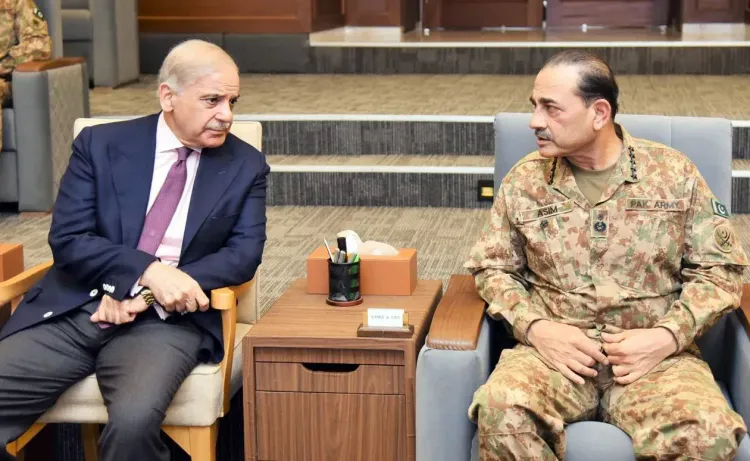
PPP Chairman Bilawal Bhutto Zardari publicly questioned the 'role' of Army chief Asim Munir and PM Shehbaz Sharif in the crisis.
At least two law enforcement personnel also died in Tuesday's clashes, according to Dawn .
Over 4,000 Rangers have been deployed in PoK and a media blackout is in force.
JAAC leader Sardar Amman Khan called PoK 'forcibly occupied' at a mass rally in Rawalakot , vowing protests will continue until 'victory.' The UKPNP has called on the UN , EU , UK , and US to deploy an independent fact-finding mission to investigate killings and rights violations.
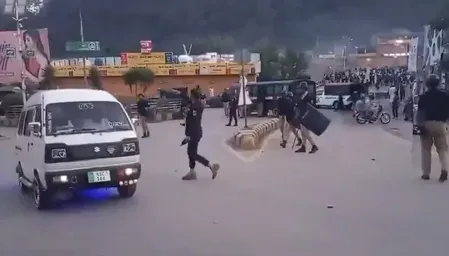
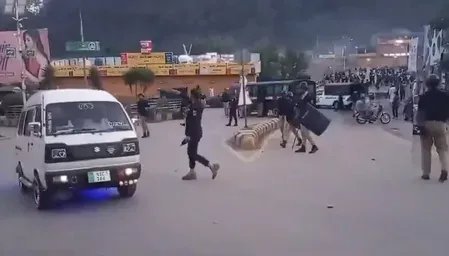
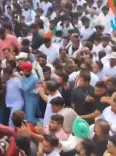
The death toll from violent clashes between local protesters and Pakistani security forces in Pakistan-occupied Kashmir (PoK) has climbed to 12, according to multiple reports emerging on Wednesday, 16 July 2025. The killings occurred after security forces reportedly opened fire on demonstrators in Rawalakot on Tuesday, as anti-government protests — now entering their sixth consecutive week — show no signs of abating.
Political Fallout in Islamabad
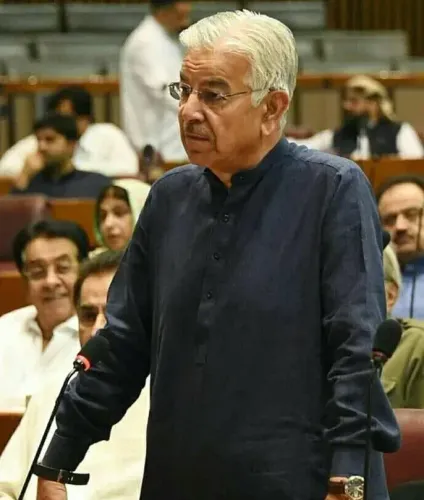
Pakistan Peoples Party (PPP) Chairman Bilawal Bhutto Zardari publicly questioned the 'role' of Pakistan Army chief General Asim Munir and Prime Minister Shehbaz Sharif in the crisis, describing the situation in PoK since last month as 'very concerning.' The rare public rebuke from a coalition partner signals deepening political fractures within Pakistan's ruling establishment over the handling of the unrest.
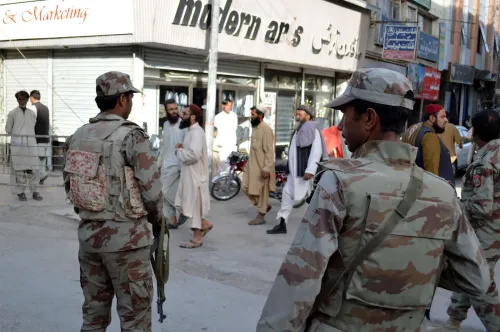
Leading Pakistani daily Dawn reported that at least two law enforcement personnel also lost their lives in separate clashes on Tuesday. Pakistani media further reported that over 4,000 Rangers have been deployed across the occupied territory, and that a media blackout remains in force.
Mass Rally and JAAC's Defiant Stand
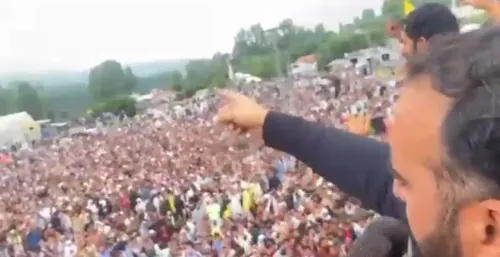
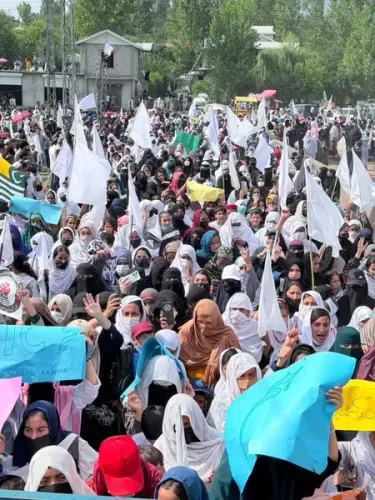
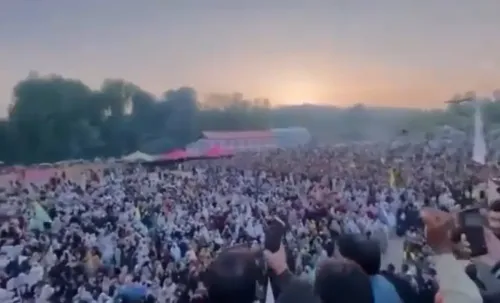
Thousands converged on Rawalakot on Tuesday for a rally addressed by Joint Awami Action Committee (JAAC) leader Sardar Amman Khan, who accused Pakistan of 'forcibly occupying' the region and rejected Islamabad's longstanding narrative. Khan urged demonstrators to refer to PoK as an 'occupied territory' rather than a 'disputed territory.' 'It is forcibly occupied,' he stated. He vowed the movement would continue until 'victory' is achieved, even if protesters had to lay down their lives.
The gathering echoed with sustained slogans against Pakistani authorities. This is the largest single mobilisation reported since the protests erupted roughly six weeks ago.
International Body Demands Probe
The United Kashmir People's National Party (UKPNP) on Wednesday strongly condemned the killings and called for 'an independent international investigation into the reported killings, excessive use of force against peaceful demonstrators, enforced disappearances, arbitrary arrests, intimidation, and the continuing restrictions affecting civilians.'
The UKPNP urged Pakistani authorities to immediately halt the use of lethal force, release all detainees before competent courts, restore access to food, medicine, and healthcare, lift communication restrictions, and guarantee freedom of movement. It also appealed to the United Nations, the European Union, the United Kingdom, the United States, and the broader international community to deploy an independent fact-finding mission to the region and monitor the human rights situation on the ground.
Broader Context and What Comes Next
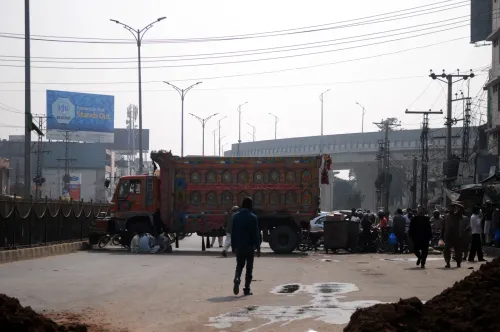
The ongoing unrest represents one of the most sustained direct challenges to Islamabad's decades-long control over PoK. Pakistani forces stand accused of a severe crackdown under conditions of strict curfew and a near-total communications blackout — conditions that have made independent verification difficult. Notably, the deployment of over 4,000 Rangers and the media blackout suggest Islamabad is treating the protests as a security threat rather than a political one.
With Bilawal's public criticism adding internal pressure and international bodies demanding accountability, the coming days will test whether Pakistan's government opts for dialogue or further force — and whether the international community moves beyond statements.
Point of View
000 Rangers and a communications shutdown are the tools of suppression, not governance — and history suggests they tend to deepen grievances rather than resolve them. If the international community moves from statements to action, Islamabad faces a legitimacy crisis it is structurally ill-equipped to handle.
NationPress
14 Oct 2026
Frequently Asked Questions
How many people have died in the PoK clashes?
The death toll has risen to 12 civilians killed after Pakistani security forces reportedly opened fire on protesters in Rawalakot, Pakistan-occupied Kashmir, on Tuesday. At least two law enforcement personnel also died in the clashes, according to reports citing Pakistani daily Dawn.
Why is Bilawal Bhutto questioning Asim Munir's role?
PPP Chairman Bilawal Bhutto Zardari publicly questioned the 'role' of Army chief General Asim Munir and PM Shehbaz Sharif in handling the PoK crisis, calling the situation 'very concerning.' The rebuke is significant as PPP is part of Pakistan's ruling coalition and such public criticism of the Army chief is rare.
What is the JAAC and what are its demands?
The Joint Awami Action Committee (JAAC) is a protest coalition leading the demonstrations in PoK. Its leader Sardar Amman Khan has declared PoK 'forcibly occupied' by Pakistan and is demanding that the region be recognised as an occupied — not merely disputed — territory, vowing protests will continue until 'victory' is achieved.
What has the UKPNP demanded over the PoK killings?
The United Kashmir People's National Party (UKPNP) has called for an independent international investigation into the killings, enforced disappearances, arbitrary arrests, and communications blackout in PoK. It has specifically appealed to the UN, EU, UK, and US to deploy a fact-finding mission and monitor the human rights situation on the ground.
How long have the protests in PoK been going on?
The protests have been ongoing for six weeks as of mid-July 2025, making this one of the most sustained challenges to Islamabad's control over the region. Pakistani authorities have responded with the deployment of over 4,000 Rangers, a curfew, and a media blackout.