What Does the Union Budget 2026-27 Hold for Mega Textile Parks and Export Relief?
Synopsis
The Union Budget 2026-27 reveals ambitious plans for the textile sector, including new Mega Textile Parks and a comprehensive support program aimed at modernization and growth. Key initiatives include enhanced export obligations, upgraded skills, and a significant SME Growth Fund, promising a transformative impact on the industry.
Key Takeaways
Capital support for machinery and technology upgrades Establishment of Mega Textile Parks Comprehensive textile sector program with five sub-components Extension of export obligation period for greater flexibility Creation of a Rs 10,000 crore SME Growth Fund
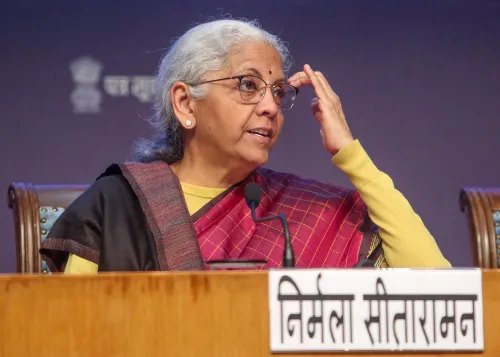
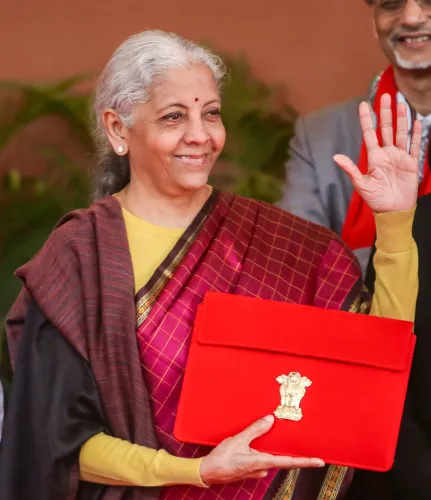
New Delhi, Feb 1 (NationPress) In the Union Budget 2026-27, Finance Minister Nirmala Sitharaman unveiled plans for capital investment aimed at enhancing machinery, upgrading technology, and creating common testing and certification centres designed to rejuvenate traditional textile hubs.
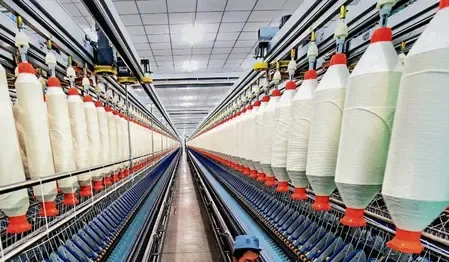
The administration will initiate "Mega Textile Parks in challenge mode" that will deliver integrated infrastructure, efficiency in scale, and value enhancement, an official communication indicated.
These parks are also set to foster the expansion of technical textiles, a high-potential sector vital for applications in industrial, medical, defense, and infrastructure.
Moreover, a comprehensive Programme for the Textile Sector, featuring five sub-components such as a National Fibre Scheme, a Textile Expansion and Employment Scheme, a National Handloom and Handicraft Program, a Tex-Eco Initiative, and Samarth 2.0 for skill development, has been outlined in the Budget.
Samarth 2.0 aims to modernize the textile skill ecosystem by fostering deeper alliances with industry and educational institutions, thereby ensuring a supply of industry-ready skilled personnel throughout the value chain.
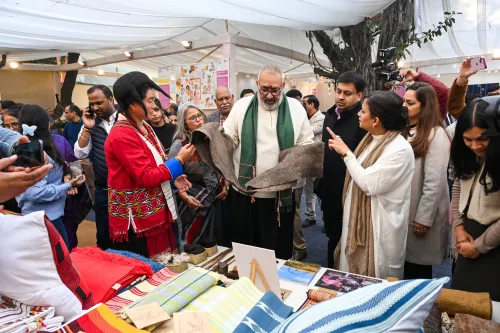
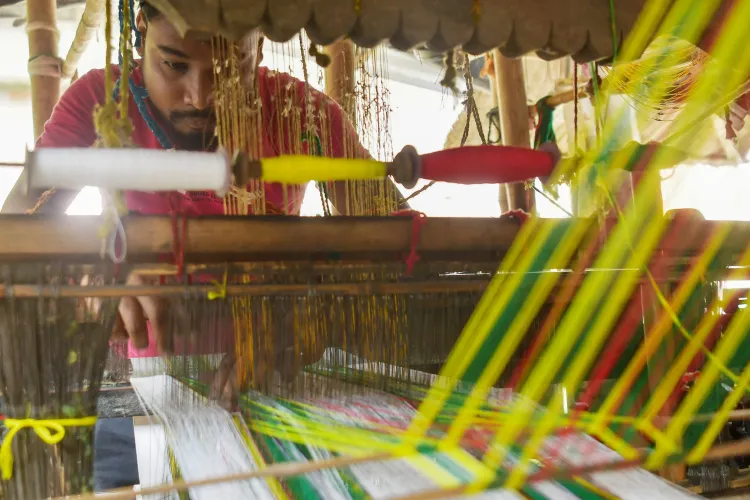
A statement from the Ministry of Textiles also emphasized initiatives to bolster khadi, handloom, and handicrafts through the introduction of the Mahatma Gandhi Gram Swaraj Initiative, which will concentrate on global market connectivity, branding, streamlined training, skill development, and process modernization.
"This will assist weavers, rural industries, youth in villages, and promote the One District One Product (ODOP) initiative," the statement clarified.
The government has also extended the export obligation period from six months to twelve months for exporters utilizing duty-free imported inputs in textile garments, leather products, and synthetic footwear.
This initiative will offer enhanced operational flexibility, streamline compliance, and optimize working capital management for exporters.
Textile MSMEs will experience increased liquidity through reforms in the Trade Receivables Discounting System (TReDS), including mandatory adoption by CPSEs, credit guarantee support, linking GeM with TReDS, and the introduction of TReDS receivables as asset-backed securities, as noted by the Ministry.
A dedicated Rs 10,000 crore SME Growth Fund has been established to foster future champions, incentivizing businesses based on specific criteria.
Point of View
The Union Budget 2026-27 marks a pivotal moment for the textile industry, reflecting a commitment to modernization, skill enhancement, and global competitiveness. The initiatives presented are poised to not only uplift traditional sectors but also encourage innovation and sustainability, ensuring that India remains a key player in the global textile market.
NationPress
6 Oct 2026
Frequently Asked Questions
What are the key features of the Union Budget 2026-27 for the textile sector?
The Budget includes capital support for machinery and technology upgrades, the establishment of Mega Textile Parks, and a comprehensive textile program with multiple initiatives aimed at skill development and modernizing the sector.
How will the new Mega Textile Parks benefit the industry?
These parks will provide integrated infrastructure, enhance scale efficiencies, and foster growth in technical textiles, crucial for various industrial applications.
What is the significance of the Samarth 2.0 program?
Samarth 2.0 aims to modernize the textile skill ecosystem through collaboration with industry and academia, ensuring a skilled workforce ready for the industry's needs.