How Does the Union Budget Aim at Structural Reforms and Long-Term Stability?

Synopsis
In an insightful analysis, retired IRS officer Anil K. Rawal highlights the transformative potential of this year's Union Budget, focusing on economic stability over market volatility. Discover how long-term reforms and strategic investments are set to enhance India's economic framework.
Key Takeaways
Focus on long-term economic stability Increased capital expenditure of Rs 12 lakh crore Maintaining fiscal deficit target at 4.3% Formalization of the economy through enhanced compliance Investment expansion into logistics and supply chains
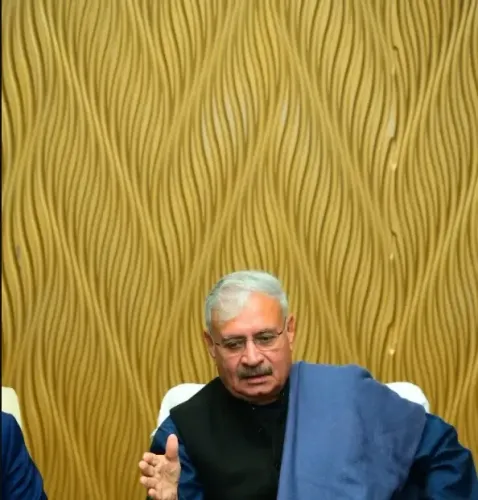
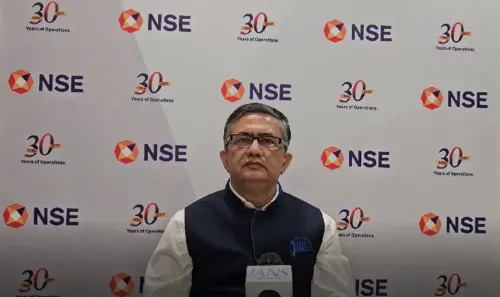
New Delhi, Feb 2 (NationPress) Anil K. Rawal, a retired IRS officer and former Assistant Director of the Enforcement Directorate, characterized this year’s Union Budget as a forward-thinking and optimistic policy document that emphasizes long-term economic stability over transient market reactions.
In an interview with IANS, Rawal advised the public to avoid evaluating the budget based on stock market fluctuations.
"This budget clearly indicates the government’s strategic direction and long-term objectives," Rawal stated during the discussion.
"Previous budgets were largely anticipated to provide tax reductions, but reforms such as GST have already delivered those benefits. The current emphasis is now on fortifying the nation’s economic framework," he elaborated.
Rawal underscored that India’s economy is expanding at a robust rate, and the government’s overarching aim is to maintain this growth over the upcoming two decades.
He mentioned that after extensive investments in infrastructure, the current phase involves consolidation and enhancing system resilience. This approach will facilitate steady and continuous economic advancement.
Rawal also pointed out the notable rise in capital expenditure, which has surged to approximately Rs 12 lakh crore.
"Whereas prior investments primarily centered on road construction, the government is now broadening its focus to logistics, inland waterways, rail corridors, and enhancing supply chains," he observed.
According to Rawal, these initiatives will lower costs, enhance productivity, and foster long-term growth.
Regarding fiscal management, Rawal commended the government for maintaining a fiscal deficit target of 4.3 percent. He remarked that keeping the deficit below 5 percent reflects commendable financial discipline. Despite global challenges, he believes the government is well-positioned to manage its financial obligations effectively.
Another significant aspect of the budget, as per Rawal, is the formalization of the economy. "By raising thresholds under schemes like ESI and integrating more workers and businesses into the formal sector, the government is minimizing leakages and enhancing compliance," Rawal mentioned.
"This process is progressively incorporating small and informal enterprises, particularly in rural regions, into a structured economic framework," he concluded.
Point of View
I recognize the importance of this year's Union Budget in shaping India's economic landscape. It reflects the government's commitment to structural reforms and long-term growth, distinguishing itself from past budgets focused on immediate financial relief. This approach is essential for sustainable development and economic resilience.
NationPress
2 Oct 2026
Frequently Asked Questions
What are the key highlights of the Union Budget?
The Union Budget focuses on long-term stability, increased capital expenditure, and the formalization of the economy, emphasizing structural reforms rather than short-term market reactions.
How does the budget aim to improve economic stability?
By investing heavily in infrastructure and consolidating previous investments, the budget aims to strengthen the economic framework, ensuring steady growth over the next two decades.
What is the fiscal deficit target for this year?
The government has set a fiscal deficit target of 4.3 percent, highlighting strong financial discipline.
What changes are being made to formalize the economy?
The budget includes raising thresholds under schemes like ESI to integrate more workers and businesses into the formal sector, which will enhance compliance and reduce leakages.
What sectors will see increased investment?
The government is expanding investment focus beyond road construction to include logistics, inland waterways, rail corridors, and supply chain improvements.